

The Regional Red Flag To Look For At Every Bakery You Enter
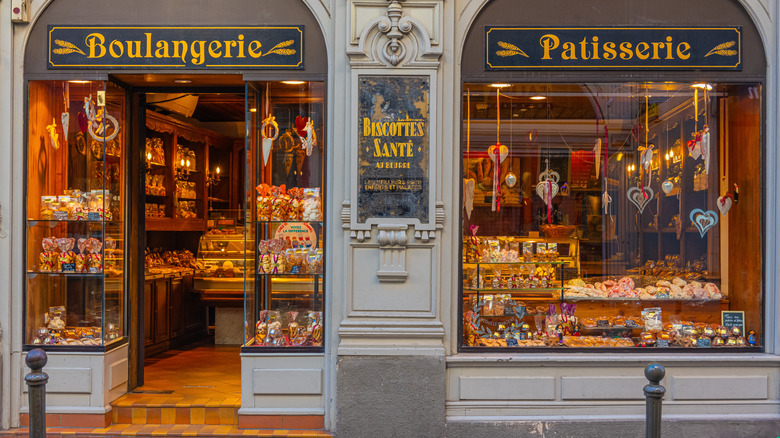
We love a good bakery. The smell of fresh pastry, the incomparable satisfaction of biting into something that had just recently been in the oven, and the feeling of familiarity when the staff learns your order by heart. Bakeries are a whole experience, and when they claim to be regional, we're also expecting to encounter flavors specific to that region. When, instead, the place offers only a meager few items from the area it's supposed to represent, that's a massive red flag that might indicate a bad bakery.
An authentic French bakery, for example, should serve more than just a few croissants and baguettes. We're looking for baked goods that easily compare to the best pastries you can eat in Paris, not a place that just slaps "French" in its name to draw in customers and then primarily sells American pies. Taking a bite of any item in a regional bakery should feel like taking a bite of that culture. There should be pastry names in the display that you don't recognize and have to ask the staff about. Following that, they should also be able to explain every item they're selling and how it ties back to the culture. That's true authenticity — people who feel a connection to the region they're representing and are excited to talk about it.
How to recognize an authentic regional bakery
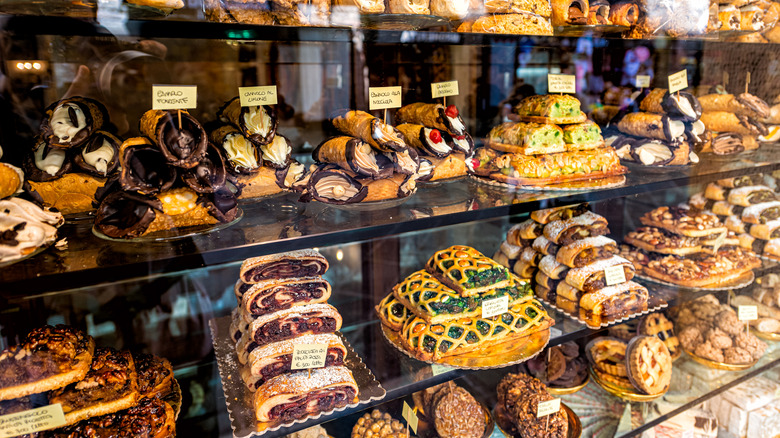
Proper regional bakeries always sell a wide variety of baked goods. Among the items you'll commonly find in an old-school NYC Italian bakery, for example, will be eclairs, cannoli, biscotti, zeppole, panettone, tiramisu, and more. The goods should be presented in different varieties and flavors throughout the year — if your local "Italian" bakery only ever sells cannoli with one type of filling, it could be a red flag. Most culture-based bakeries make a big deal out of seasonal offerings, so that's another authenticity mark to look for. A Jewish bakery will intentionally be making more sufganiyots (jam-filled mini donuts) and latkes (potato pancakes) during Hanukkah.
Good regional bakeries offer more than just cultural food; they also offer education. The baking methods are culture-specific, and the staff is happy to explain them. Sometimes you can even tour the back of the bakery or sign up for a workshop that teaches you how to make the regional bread and pastries. From the moment you step into the bakery, it should feel like you are immersed in that culture, and seamlessly so.
Of course, there is absolutely nothing wrong with a regular, non-regional bakery that serves a little bit of everything — a small French macaron here, a large Cuban sammie there. It's when a bakery is touting regional influences and failing to deliver on them that it's time to head out the door.