

Why A Fresh Cup Of Coffee Can Lose Its Bold Flavor In A Flash (And How You Can Prevent It)
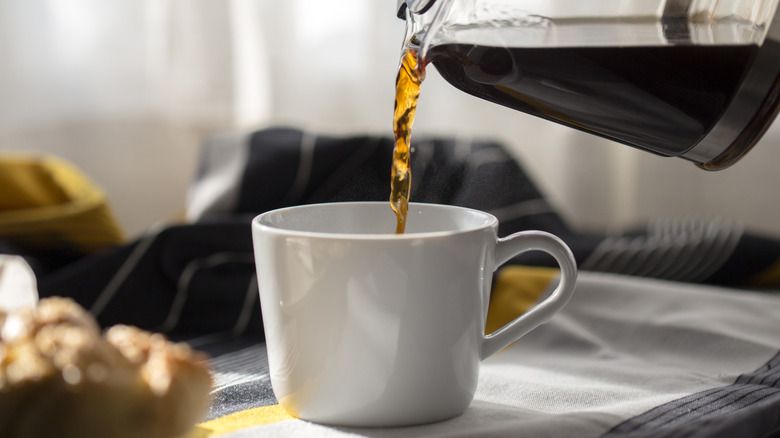
We may receive a commission on purchases made from links.
If you're one of the two thirds of Americans that start their day with a cup of coffee, you'll know that the best sip is always the first one. But depending on how long it takes you to finish, by the time you get to the bottom of the cup it's possible that it will lose some of its impact.
You're not imagining things. Coffee does in fact lose flavor over time, and it can happen in as little as 30 minutes. There are actually a few different reasons for this, and understanding the science behind each of them can help you enjoy your brew for longer.
As soon as the coffee is brewed, the chemical composition starts to change. Almost instantly, aromatic oils that are responsible for the smell and flavor notes in coffee begin to evaporate. Bright, floral, and citrussy aromas go first, leaving the balance more bitter or sour.
Oxidation is the key component in flavor loss, or more specifically, a change in flavor. Coffee contains around 1,200 chemical compounds responsible for the taste alone, and many of these are volatile, breaking down easily when exposed to oxygen. One particular culprit is chlorogenic acid, which will convert to the more bitter-tasting caffeic acid and quinic acid during oxidation.
Temperature plays a part in how coffee tastes, but it can be both a positive and negative influence. Our tastebuds are more receptive to sweet flavors at warmer temperatures, and more responsive to bitterness at cooler temperatures, which is one reason room temperature coffee tastes so bad. What makes this complicated is that higher heat will speed up oxidation and loss of aromatics.
The best ways to prevent coffee flavor loss
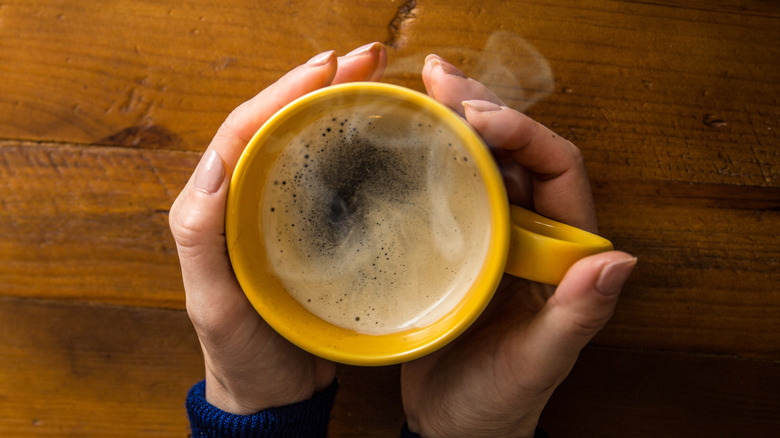
The best way to enjoy the bold taste of a cup of coffee is to drink it while it's fresh, but if you like to linger over your brew, then there are a few ways to make it more enjoyable. Something as simple as preheating your mug with hot water can prevent rapid cooling, but if you really want to maintain that ideal sipping temperature, then consider a self-heating mug like the Ember Mug 2.
Oxidation and evaporation are a little harder to prevent, but covering your cup with a saucer if you need to step away from it will go a long way to retain some of those brighter flavors. Let's not overlook the humble Thermos either. While it might seem overkill for a breakfast coffee, it will prevent both heat loss and exposure to oxygen, making it the best way to retain the flavor of your original brew. Something like a Stanley Heritage Thermos does the job well, and this sort of flask was keeping hot drinks warm long before the brand became famous for their cups. Although a Stanley Thermos cup with a lid is also a good option here.
The one thing we wouldn't recommend is reheating your coffee in the microwave. Yes, it will bring it back up to a palatable temperature, but the process speeds up the breakdown of coffee's aromatic compounds, leaving you with a bitter brew.