

This Hugely Popular Japanese Dish Isn't Truly Japanese
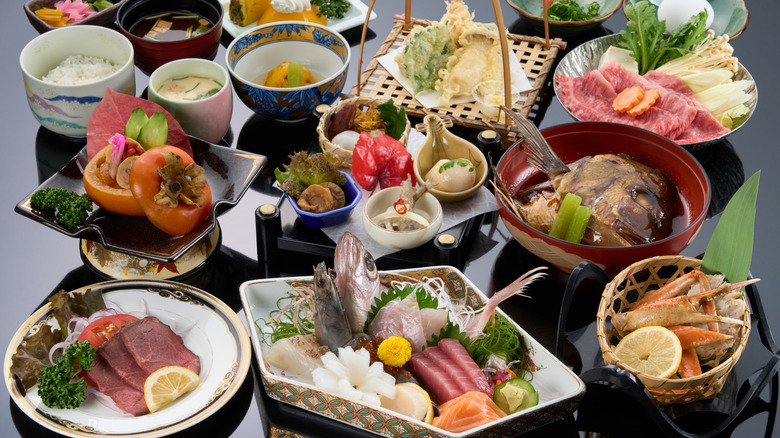
Amidst the plethora of dishes unique to Japanese cuisine, there are many that have found their way abroad to delight the palates of diners around the world. While perhaps not the dish or technique that has reached the largest audience, tempura is a universally-adored Japanese food. A bit of digging into the history of the food, however, reveals that its origins actually only date back a few hundred years and come from a culinary crossover with a country you might not expect: Portugal.
In the mid-1500s, a Chinese ship bound for Macau with three Portuguese sailors on board ended up landing instead on the Japanese island of Tanegashima. This was the first contact between Japan and Europe. The sailors established a trading post there, opening the door to significant exchange of both culture and physical goods. In addition to bringing things like firearms and tobacco to Japan, the Portuguese also introduced them to the culinary technique of battering and deep frying.
The dish that is often cited as the origin of tempura is called peixinhos da horta, which translates to "little fish from the garden." In this dish, vegetables like green beans are dipped in a thin batter and deep fried, almost taking on the appearances of the little fried fishes that are so popular in Portuguese cuisine. It seems equally likely, however, given the prevalence of seafood in Japanese cuisine, that these Portuguese sailors taught the technique for both fish and vegetables, much as it is used in Japanese cooking today.
How tempura grew and changed in Japanese kitchens
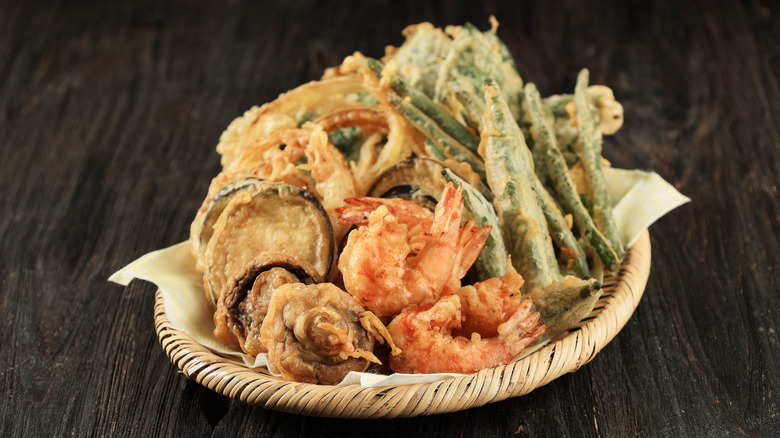
The origin of the word tempura is a debated topic, as many of the details of the Portuguese cultural exchange were destroyed when the Jesuits were thrown out of Japan in the mid-1600s, but the best clues point back to the likely reasons for the initial popularization of these dishes in Portugal. The name may come from the word "têmporas," which was used to refer to the periods of time when Catholics were not permitted to eat meat — like Lent and Fridays — and instead dined on fish and vegetables. Nowadays many might not see it that way, but historically fish is not considered meat for fasting periods like Lent.
Regardless of the fact that the Portuguese may be responsible for spreading the good word of the deep fat fry, tempura is still a very Japanese dish. It has a well-deserved spot on the list of Japanese dishes you need to try at least once, and you should not be put off by the idea that its origins are owed in part to a trading of culinary secrets with Europeans. Like many dishes in Japanese cuisine, its roots are not exclusively in the volcanic island arc, but the chefs preparing it truly perfected the art. In addition to the specific fried items introduced by the Portuguese, in Japan you are also likely to see a wide variety of tempura delights, ranging from the best-known tempura shrimp to more unique offerings like tempura maple leaves. Besides, there are very few dishes that cannot be looked at as a form of fusion food.
All food is fusion food
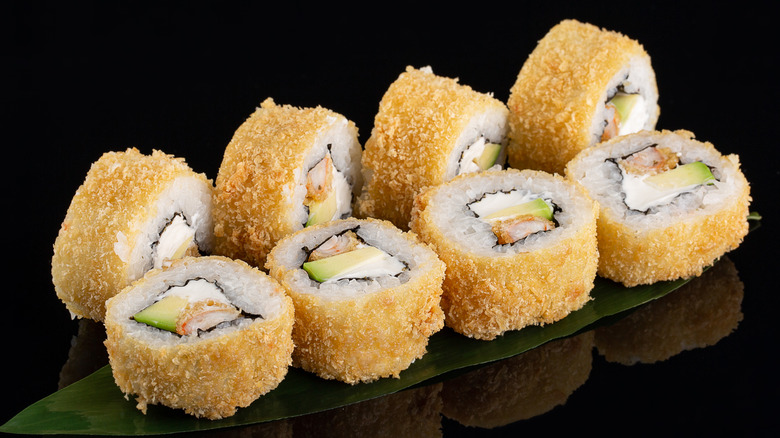
Even cultures that pride themselves on a strict adherence to culinary tradition are doing so only within a narrow lens. For examples of this, we might look at both Japanese and Italian cuisines. Both of these cuisines follow a fairly rigid adherence to tradition in the kitchen, and are known and appreciated for it around the world. But when you begin to pull back the shroud and examine the real history of these cuisines — and all cuisines — it's easy to see that many or even most of their most famous dishes come from a blend of ingredients and techniques that have traveled from all over the world to become a part of the cultures' culinary toolboxes.
For example, there is some debate about the ancient origins of pasta and how it first arrived in what is now Italy, with different voices claiming that it may have come from either Asia or North Africa. Regardless of which is true, it is certain that modern pasta techniques have been influenced by many dedicated chefs all around the world. Alternatively, we can look at the way ingredients have traveled through history: That bucatini all'Amatriciana recipe wouldn't exist if tomatoes and spicy peppers had not traveled across the sea from the Americas. The true origin of sushi even, the most widespread Japanese dish, seems to have occurred elsewhere and only been perfected by the Japanese.
None of this should be seen as a slight on these dishes or cuisines. The cross-cultural nature of food should not take anything from your appreciation of a food, but instead simply open your eyes to how food culture is constantly shifting as knowledge and ingredients are shared. Tempura may have been inspired by techniques learned from the Portuguese, but now it is a pillar of Japanese cuisine — and it is still excellent.