

Stop Doing These 14 Things If You Want Your Microwave To Last Longer
We may receive a commission on purchases made from links.
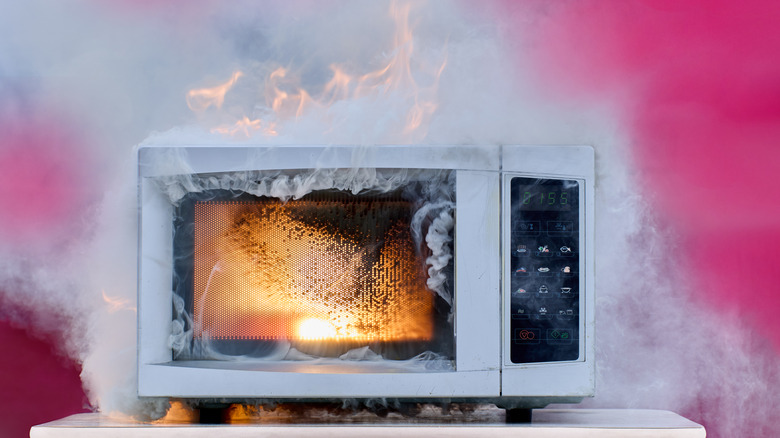
If you have a microwave, you likely barely think about it until you want to heat something in it, but it turns out that there are some things you might be doing to it that are shortening its lifespan. Some of them are things you might have been doing or neglecting for years and thinking they're just fine. However, your luck may not hold forever if the conditions don't stay in your favor. If things go wrong, your microwave could simply break or even end up catching fire.
The list of things you should stop doing includes how you use your microwave and what you put inside, as well as some cleanliness issues. However, some of it is related to how you set up your appliance in the first place. When it comes to problems, there are also often signs that you shouldn't ignore. So, if you don't relish the thought of having to buy a new microwave anytime soon, you're going to want to stop doing any of these 14 things you might be doing.
Not cleaning the inside of your microwave regularly
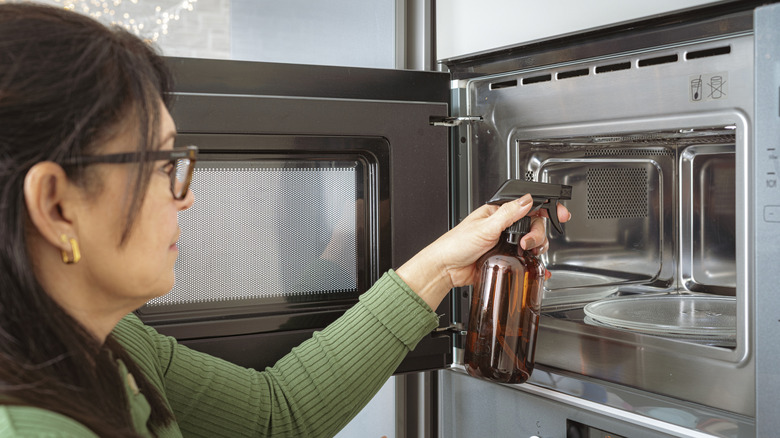
There are a lot of reasons to clean your microwave regularly, but one you probably haven't considered is how a dirty microwave affects performance and can be dangerous (beyond food safety). So, if you want your microwave to last longer, you should make it a habit to cover your food and develop a cleaning routine.
When food splatters in your microwave and is left there, it can start to damage the interior over time. It can dry onto functional parts of the machine, and moisture can contribute to rust. In the wrong combination, the puddles of oil, dried liquids, and food particles can smolder, smoke, or even catch fire.
How often should you clean your microwave? Any time you notice a spill or big splatter, it's best to immediately clean it. Beyond that, you should make a plan to clean your microwave at least weekly if you use it often. And that doesn't mean just rinsing off your turntable. You should be wiping down the interior, too.
Running it empty as a timer
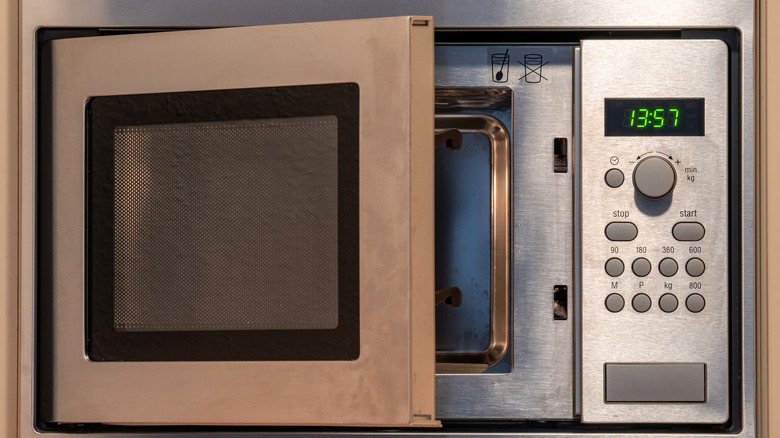
While running your microwave on empty as a timer is helpful, it can be harmful to the overall life of your appliance. Let's be clear, though. We're not talking about using the timer function some microwaves have; we mean running it dry and empty on a cook setting. With so many of our technological gadgets, from phones to smart watches, being able to function as a kitchen timer nowadays, breaking this habit should be easy enough.
The problem with running a microwave while empty is that, having no food to absorb the microwaves that the machine is generating, it starts heating the microwave instead. Thus, the whole thing can overheat. In that case, the machine might shut down completely, leave scorch marks inside, or catch on fire.
If you accidentally run the microwave with nothing in it for under 5 minutes at some point as a one-off thing, GE says that it's likely not going to be a big deal. However, it also might shut itself off as a failsafe. If that happens, there's a chance it could reset and work after it's had a chance to cool down.
Placing metallic items inside
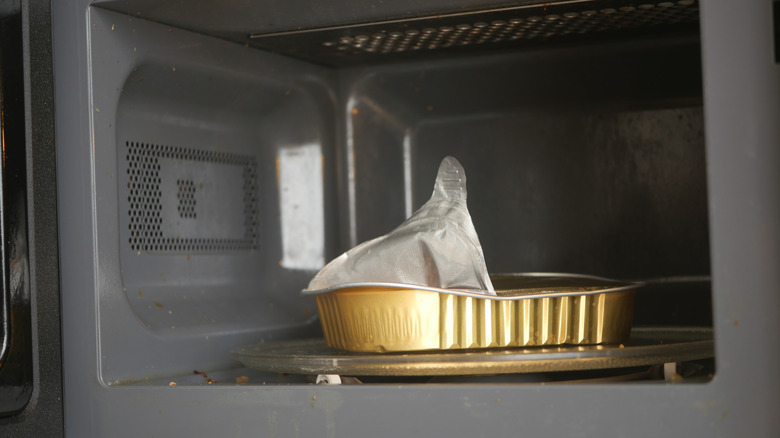
At some point, we've probably all put something metal inside a microwave, whether by accident or for experimental purposes. But the truth is that every time you're doing it, you're risking the longevity of your microwave.
The problem with metal is that it can cause arcing inside the microwave. Arcing occurs when sparks fly between the metal and the walls of the machine or if metal touches the sides of your machine (like in the case of a rack or crisping pan). Basically, metal reflects rather than absorbs microwaves in the form of sparks. Arcing can cause your microwave to overheat, but if those sparks catch onto flammable items like food splatters inside the microwave, they could also cause a fire.
Always check what you're putting inside the machine to ensure there aren't any metal pieces. Thin, sharp pieces seem to spark most, acting like a mini lightning rod for the electric fields in your microwave. So, even small bits of metal like the wire in twist ties, small pieces of foil, staples, cooking probes, or poultry pins shouldn't go inside. Also, avoid placing plates or other dishes inside that have metallic decorations or rims.
Placing foods prone to arcing in the microwave
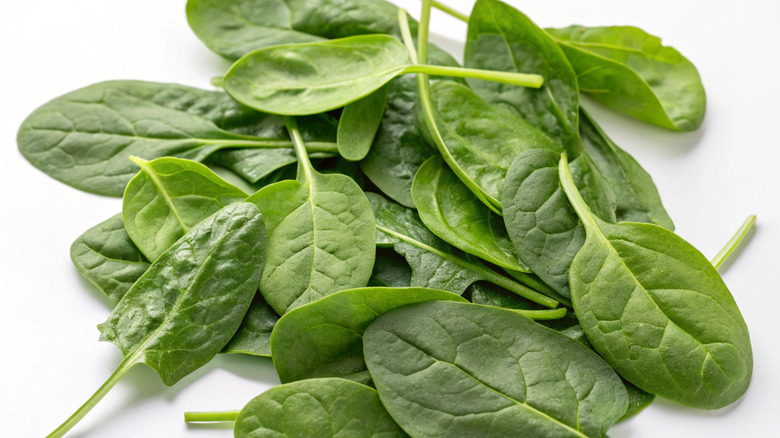
Metal isn't the only thing that might arc in the microwave; some foods do, too. Actually, these two phenomena may be related, as some foods that tend to arc in the microwave are also the ones that are high in metals or metalloids. The common metal in our foods that probably comes to mind is iron. However, foods with magnesium and selenium can sometimes also prone to arcing.
As with regular metal, some of these foods can start to spark. And then, they can start to smolder or ignite. Some foods that might spark include dark green iron-rich ones like spinach and grapes, or ones with magnesium and iron like kale and green beans. Some other veggies like bell peppers and carrots sometimes spark, too, despite not being high in iron. Likely, it's because they're pulling metal-based micronutrients and minerals from the soil. Interestingly, even a hot dog can arc, owing to concentrated areas of salts and other preservatives.
The good news is that arc-prone food needs direct contact with the air to spark and are more likely to spark if it has pointy edges. So, the problem comes with putting spark-prone foods in dry and by themselves, not when they're mixed into pasta or a casserole. Place kale alone on a plate, and you're more likely to get an arc that sets the kale on fire than if you have that same piece of kale smothered in pasta sauce.
Heating certain paper products and cardboard in the microwave
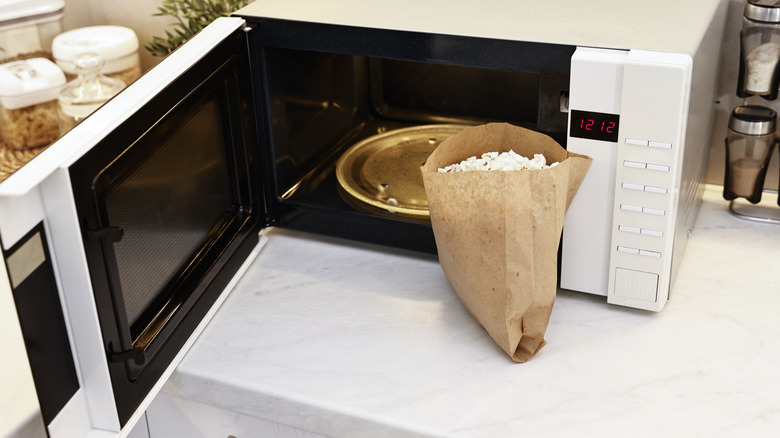
There are times when paper products work fine in the microwave and other times when they don't. You need to know the difference to ensure you don't inadvertently start a fire in your kitchen so that your appliance lasts longer.
Not all paper products are equally safe in the microwave. Paper towels, waxed paper, and microwave paper cooking bags can be good paper options for covering foods to prevent spattering or assist with steaming. However, keep in mind that regular paper bags that don't contain ingredients to absorb microwaves can catch on fire. Also, some recycled paper towels may have trace bits of metal in them that can contribute to fires, combining flammable paper with sparks from arcing metal. Paper plates and cardboard can also go up in flames when they get too dry if they're not a microwave-safe type like Ginkgo paper plates or Glotech Express meal prep containers. Cardboard can also be dangerous to your health if it has glues and other chemicals that aren't food-safe, especially when heated.
Ignoring noises and sparks
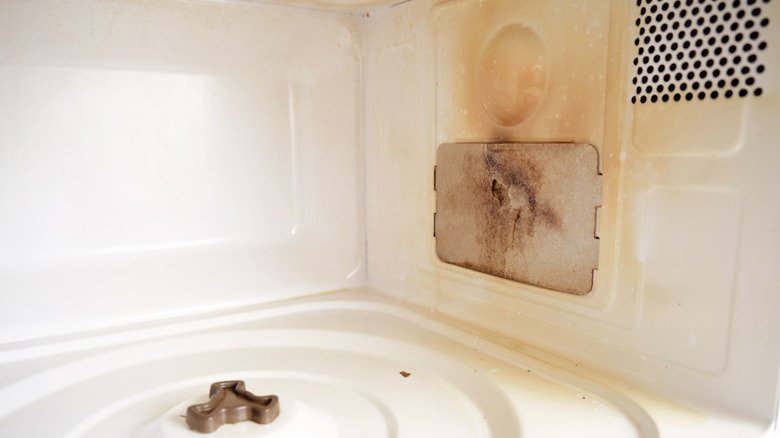
If you've been ignoring noises and sparks from your microwave because "it always does that," you're likely in danger of not keeping your microwave as long as you'd like. Noises and sparks might seem minor, but they can create or be a sign of bigger problems.
As you've seen, there are a lot of reasons that your microwave might end up sparking, whether it be from putting the wrong materials or foods inside the machine or letting metal touch the walls. If you put items that aren't microwave-safe into the machine and then ignore sparks, you run the risk of your microwave catching fire. Even if it's been fine in the past, there's always the chance the spark could hit a patch of spilled oil or ignite a piece of food.
Noises in your microwave are also something that you shouldn't ignore. Buzzing or rattling sounds can be a sign of problems with your fan. If the sound is more of a hum than a buzz, the machine's diode is likely the culprit. A clicking noise is a problem with your turntable motor, and ignoring it could lead to a broken turntable that no longer turns. However, if you hear a grinding sound rather than a clicking one, it's likely the motor for the microwave that has a problem rather than just the motor for the turntable. Finally, if your microwave is screaming or screeching, the magnetron that produces electromagnetic waves is faulty.
Overloading the microwave
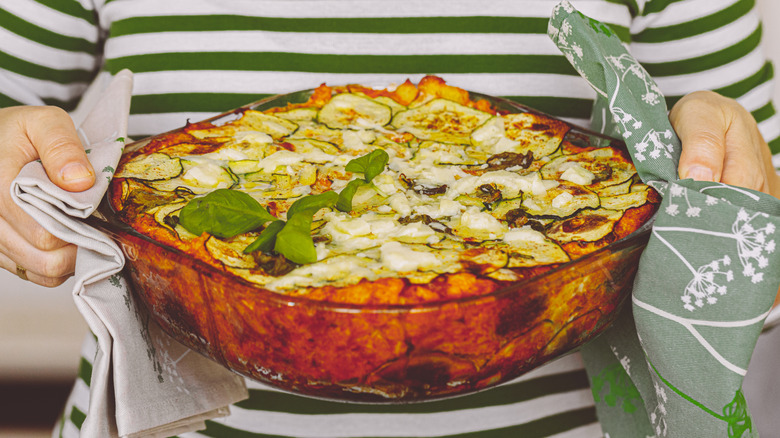
While you may have just thought that overloading the microwave could do nothing but slow down heating time, it can ruin your appliance as well. Overloading the microwave can cause a domino effect of problems that can lead to a ruined microwave if you don't notice what's happening before it's too late.
So, the problem with an overloaded microwave is related to the slow heating that you experience when there's more food in the appliance. First of all, it's going to heat unevenly. So, when you discover cold spots, you're going to end up putting the food back in to cook it longer. However, while some areas are still cold, other areas are getting super hot with all that extra time. The hotter those spots get, the more you're at risk for the food starting to burn. And if you don't take notice of what's happening, you could end up with a fire. Another problem with overloading is that it can cause strain on the microwave itself. When there's too much food inside, it can strain the machine and cause overheating.
Blocking external airflow
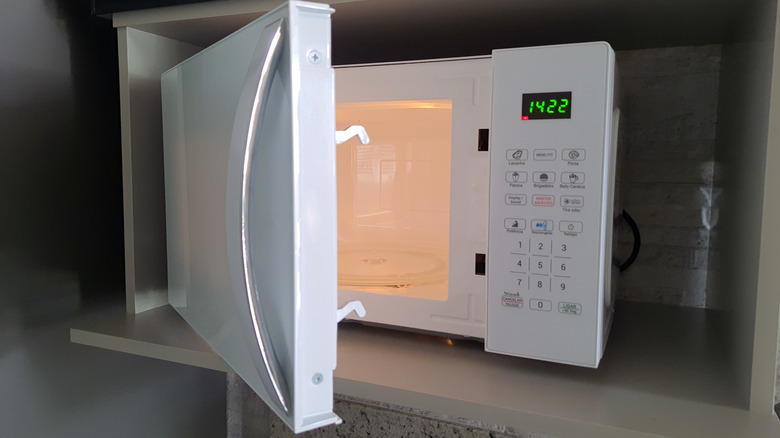
There are several ways that you can block the airflow around a microwave, and any of them could lead to a shortened lifespan for your appliance.
Ventilation is important to prevent the machine's performance from degrading. When the ventilation is impeded, it may not work as well as it should. Inadequate ventilation can also cause the parts to wear out or for the appliance to overheat.
Countertop microwaves are ones to especially watch. Most come with specifications about how much clearance they need all around them for good airflow, as well as admonitions to not place items on top of the microwave. Yes, we know you probably keep all sorts of things on top of your microwave, from cookbooks to spices, but you shouldn't. You also shouldn't house them in tight, enclosed areas with poor airflow, like inside cabinets or directly against a wall (unless it says that it's "built-in capable"). Something else to avoid is placing it on soft or uneven surfaces like carpet, as that could cause an airflow problem as well.
Plugging it into an overloaded or ungrounded circuit
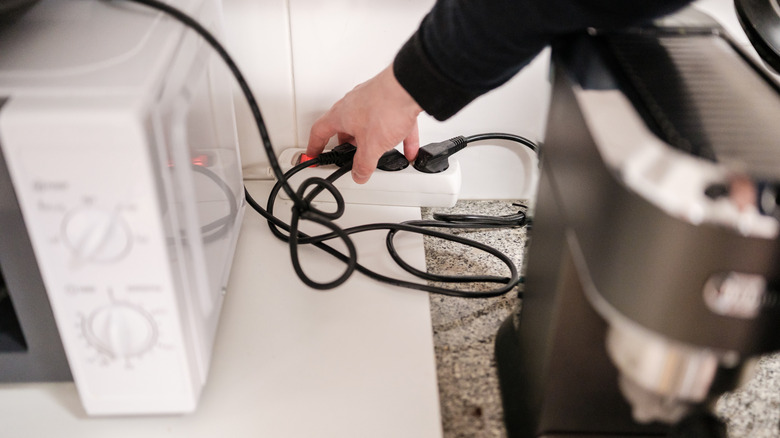
Having the right amount of electricity going to your machine is a pretty big deal, too. If the electricity situation doesn't fit your appliance, you can end up with blown fuses, tripped circuits, shock, or fires.
If your breaker keeps tripping every time you run your microwave, it can be because you've overloaded the circuit. Many microwaves tend to need a dedicated circuit for the amperage that it draws, and if you try plugging other items like toasters into the same outlet or circuit, you can end up with a circuit overload, which is a fire hazard.
Microwaves should also be grounded, which the third prong on the power cord should do when plugged into a properly grounded outlet. An ungrounded microwave can shock you. So, be sure not to use an extension cord or adapter to eliminate the need for an outlet with a ground or cut off the grounding prong on your cord. Also, if you have it plugged into a GFCI (Ground Fault Circuit Interrupter) outlet, it will trip when something is going wrong with the electrical conditions. If you notice that it keeps tripping, there could be a problem with the grounding of that outlet.
Slamming the door after use
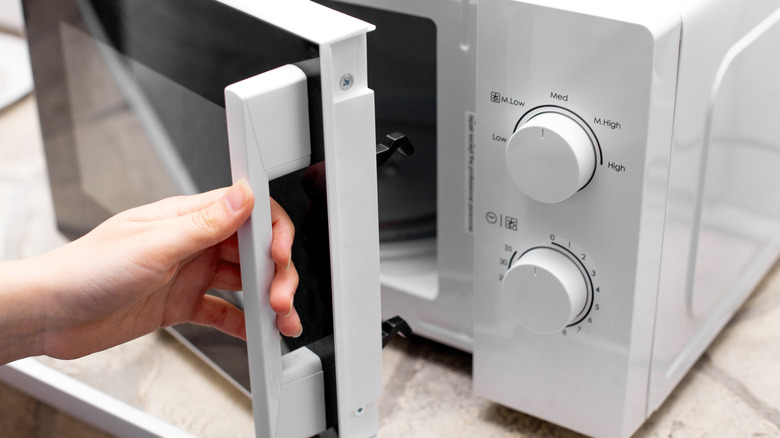
If you're a door slammer, it's time to change your ways, especially when it comes to your microwave door. Every time you slam your microwave door, you're wearing out parts that you need to keep your microwave door intact. Not only could you be hastening the appliance's demise, but you could be exposing yourself to microwave radiation as well.
Components of the door can incur damage when you slam it. If you start wondering why your door isn't closing properly, all those door slams are to blame. Eventually, if you break the latch mechanism, it might pop open, or the door's fail-safes can prevent the machine from turning on. When door switches don't work properly, it can keep causing blown fuses, too.
One of the more dangerous things that could happen from using excessive force to close the door over and over again is for the door's seal to become damaged or the door to become cracked. If the appliance still turns on with a damaged door or seal, you can end up blasting the kitchen and anyone in it with microwave radiation.
Allowing the turntable to run unevenly
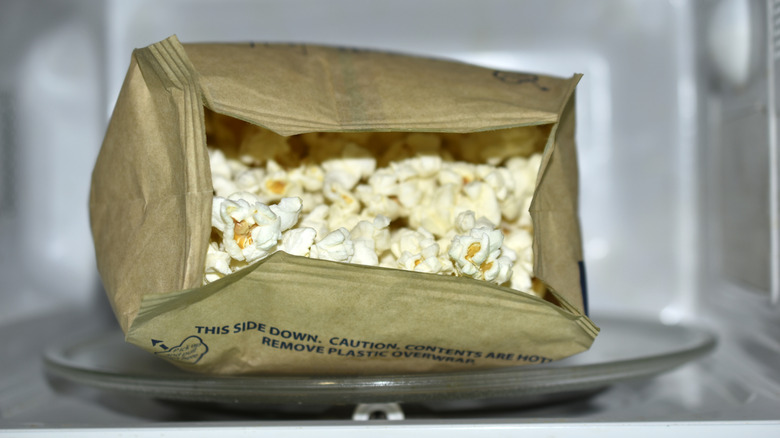
If you're ready to trash your microwave because it heats unevenly, the problem might be with your turntable. Fixing problems with your turntable can make the appliance work better so that you don't have to look for a replacement just yet.
There are several different things to watch out for. The easiest thing to check is the turntable plate to ensure that it's not damaged and, thus, causing uneven warming. The next thing to check is the ring underneath the turntable. Your problem could simply be that the roller ring is misaligned. If so, you might hear a thumping or rumbling sound. There could also be food debris in the track, which is keeping the turntable from turning as it should. Yet the roller ring could also be deformed or broken and needs replacing.
Other turntable problems require a professional. As we've mentioned previously, a clicking noise can indicate a motor problem. However, lacking that, if you notice the turntable skipping, moving oddly, or not moving at all after you've checked for obstructions or roller ring misalignment, that could also be a motor problem.
Drying certain items with your microwave
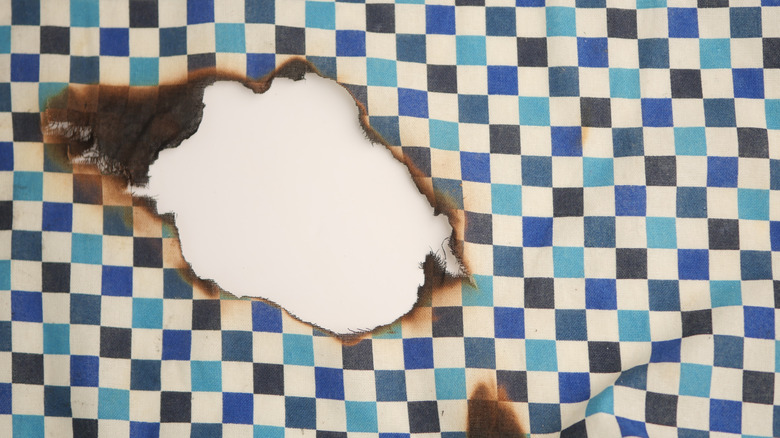
Drying food and non-food items in your microwave isn't the best of idea if you want your machine to last longer. Microwaves are meant to take advantage of the moisture in food and can pose a fire hazard when it comes to dry items.
There are several categories of items that can be hazardous to dry in your microwave. One is food, as it's not a dehydrator. If it's a food with high sugar content, like fruit, it's even more dangerous because of the risk of burning. Clothing is also a no-no for drying in the microwave. For one thing, they can cause an electrical fire. For another thing, any dry spots that form while you're getting other areas of the cloth dry can catch fire. You might get away with warming a towel for 30 seconds, but the longer it's in the microwave, the greater the chance of it smoldering or catching fire. It's also a bad idea to try to dry paper items in the microwave, such as newspapers. Once they go from wet to dry, they're in danger of catching fire.
Overcooking food
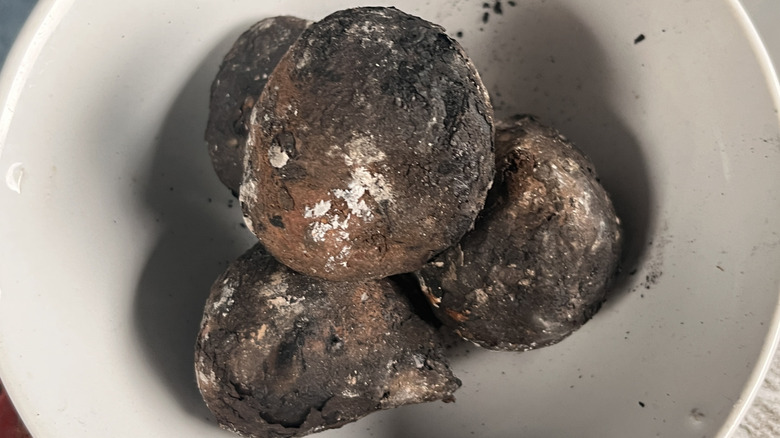
If you've used microwaves long enough, you probably can relate to accidentally overcooking food. If it didn't catch fire, you're lucky, as that can certainly be an outcome. After all, overheating food is the most common way to catch your microwave on fire.
There are several ways you can make errors that result in overcooked food. One mistake is placing an item in to bake for longer than you'd planned by adding an extra zero. You planned to bake your potato for 10 minutes, accidentally added an extra zero to make it 100 minutes, and walked away. Or maybe you set a smaller item or fewer items to bake for the same amount of time you'd normally bake a larger version or more of that item – a small potato vs. a larger one or a single small potato vs. your normal five small potatoes. Before you know it, your food is on fire. In fact, overcooking potatoes seems to be one of the most common reasons we see mentioned when people talk about food catching on fire inside their microwave.
One thing that can help you avoid overcooking food is to use preprogrammed cooking times rather than punching in the time yourself. This helps prevent typing in 50 minutes instead of 5 minutes.
Not cleaning the filters for over-the-range models
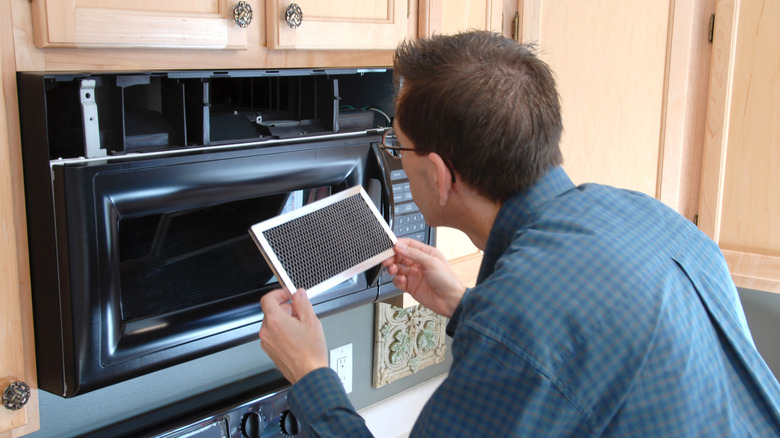
If you have an over-the-range microwave, one thing that's easy to forget about is the filters. However, if you want your machine to last longer, you shouldn't neglect them. Left dirty, they can be another fire risk. Plus, leaving them dirty can make your machine have to work harder, which can possibly shorten your machine's lifespan. If you've never washed or replaced your filters, there's no time like now to get in the habit.
You'll want to check the manual that came with your machine to find out how to locate and remove and clean the filters, which may require unplugging the machine. With over-the-range models, you'll find a grease filter next to the lights, underneath the machine, and it needs to be cleaned monthly. Plus, you'll find another one with a charcoal filter on top of the machine (location varies by model), which generally requires replacing every six months.
Your manual will tell you how to wash and change them. You can usually wash the grease filter with warm water and dish detergent or even put it in the dishwasher. Meanwhile, replacing the charcoal filter likely involves a screwdriver.