

Why Starbucks' Decaf Coffee Is At The Center Of A New Lawsuit
Over the years Starbucks has made many claims about the ethical sourcing and sustainability of its coffee and opened environmentally unique cafe locations in different parts of the world, but now a new lawsuit is calling some of those claims into question. The Seattle Times reported that a class-action lawsuit is being filed against the chain by the Seattle-based law firm, Hagens Berman, which alleges that Starbucks has violated its 100% commitment to ethically sourcing coffee by using beans from farms that have committed labor abuses and human rights violations.
In addition to accusations of labor and human rights violations on the coffee farms that Starbucks partners with, the lawsuit also alleges that testing has found toxic substances in its Decaf House Blend medium roast coffee. The substances supposedly include methylene chloride, benzene, and toluene. The lawsuit says the presence of these chemicals violates Starbuck's labels of "100% Arabica coffee." More importantly, each are considered volatile organic compounds and are unsafe for human consumption at the levels allegedly detected.
Hagens Berman is representing plaintiffs in Washington and New York, and has posted a website looking for consumers that have bought Starbucks coffee products in the states after January 1, 2016. In a statement shared with Tasting Table, Starbucks spokesperson Leandro Cavinato Herrera denied the claims. "We take the allegations raised in the Williams and Strauss lawsuit seriously, but we firmly believe they are inaccurate and misrepresent both our sourcing practices and the integrity of our Coffee and Farmer Equity (C.A.F.E.) Practices program," said Herrera.
A lawsuit is alleging Starbucks' coffee contains toxic substances and violates ethical sourcing promises
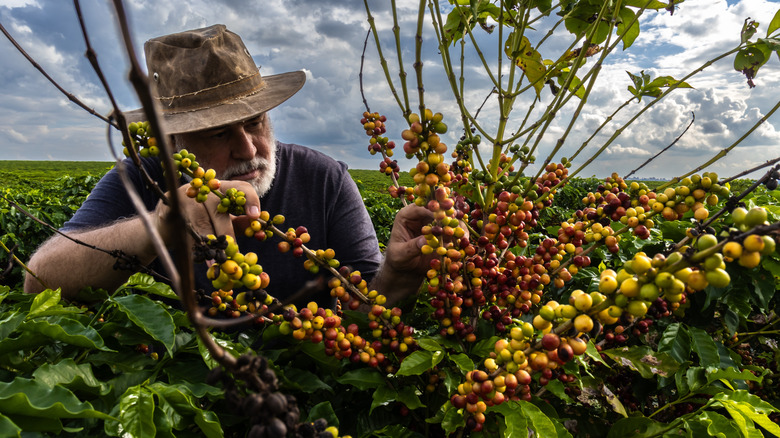
The accusations of human rights and labor abuses against Starbucks come down to investigations into its suppliers overseas. Starbucks is not a fully fair trade certified coffee producer, and instead uses its own Coffee and Farmer Equity (C.A.F.E.) standards. The program was developed with Conservation International, a third-party organization, and tracks over 200 indicators including workers' rights and water use. Adherence to the standards is tracked by third-party verifiers and not Starbucks, and reportedly covers 2.5 million workers employed by Starbucks' coffee suppliers.
However, the lawsuit claims suppliers certified by this program have not actually been compliant. It cites investigative reports into coffee production in Brazil, claiming that Starbucks' largest supplier in the country engaged in abuses including unsafe working conditions and both physical and psychological violence. It also claims there are other documented cases of abuse, including 17-hour shifts and the use of child labor on C.A.F.E. certified farms. These abuses allegedly took place on coffee farms in China, Mexico, and Guatemala as well.
This is not the only lawsuit alleging that Starbucks' labeling is false. A similar suit was filed in 2024 against Starbucks' "ethical sourcing" claims for its coffee by the National Consumers League. That suit has not been resolved, and a judge denied Starbucks' attempts to have the lawsuit dismissed last summer. The outcome of both cases may not be determined for a while, but they could end up being huge blows to Starbucks' corporate image.