

For Top-Quality Olive Oil, Consider Buying It From This Area
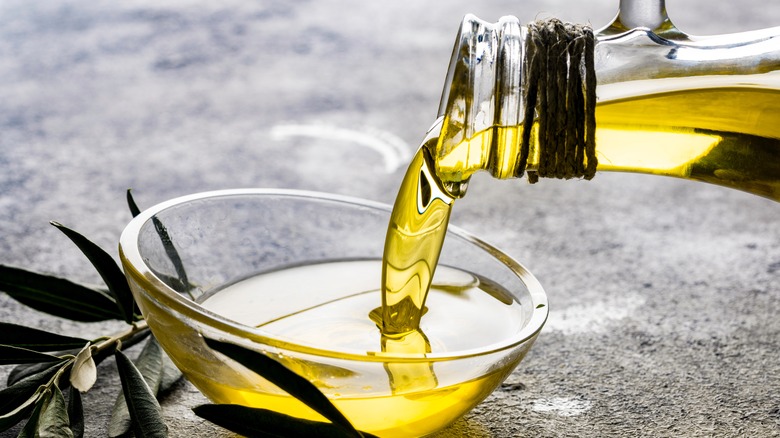
Many people think that the world's best olive oil comes from Italy, Greece, or Spain — European countries where olives grow plentifully and lands that have a long history of producing the oil. But another area of the planet is often overlooked, despite its rich history of producing incredible olive oil. Olive tree cultivation and olive oil production in the geographical region known as the Levant, which includes modern-day Lebanon, Syria, Palestine, Israel, and Jordan, dates back to 4,000 B.C. In fact, one of the oldest olive trees in the world grows in the Palestinian village of Al-Walaja village, which is estimated to be at least 5,000 years old, and the area has been producing incredible olive oil for many generations.
Not only is olive oil a huge part of Eastern Mediterranean and Palestinian food, but it's incredibly important in both Palestinian culture and its economy. The fall season of harvesting olives, which is done manually, is a time of community, where families, friends, and neighbors join in the communal effort of the harvest, with many families honoring this centuries-old tradition. There are many types of olives that grow in Palestinian territory, with Rumi being one of the most popular. Olive oil made from Rumi olives from Souri olive trees, some of which are estimated to be between 1,000 and 2,000 years old and still producing quality olives, is renowned for its high quality, including good levels of natural antioxidants. Rumi olive oil is described as fruity and slightly bitter with a spicy finish.
Palestinian olive oils are rich in tradition and flavor
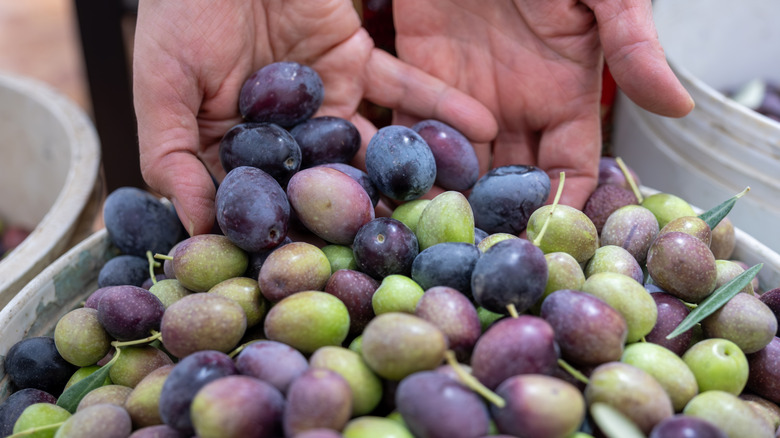
Another olive oil tree native to this area is the nabali, also known as baladi. Nabali olive oil is less pungent than Rumi olive oil, and is said to be fruity, sweet, and delicate, with only a slightly peppery taste. A more fragrant, herby olive oil described as having bright green notes is picual olive oil, which is also a type of olive seen all over the Mediterranean. Olive oil made from Coratina olives is perfect for those who love a more earthy, bitter, and spicy olive oil. Commonly associated with Greek cuisine, Kalamata olives also grow in Palestinian territory, making for a more smooth, sweet, and tangy olive oil, reminiscent of the Kalamata olive themselves. As with most olive oils, some are a blend of a variety of olives, which offer a variety of flavors and tastes dependent on the mix of olives pressed to make the oil.
As with all olive oils, the quality of the oils can vary, so it's important to read the labels or descriptions carefully. Extra-virgin oils are produced without adding heat, similar to cold-pressed olive oils, so look for those terms to ensure you're getting the best oil possible. It's also key to know when the olives were pressed or harvested, as olive oil is a fresh product to be enjoyed as soon as possible from the making of the oil, and unlike fine wines, extra-virgin olive oil does not get better with age.