

9 Mistakes Home Cooks Make With Biscuits And Gravy
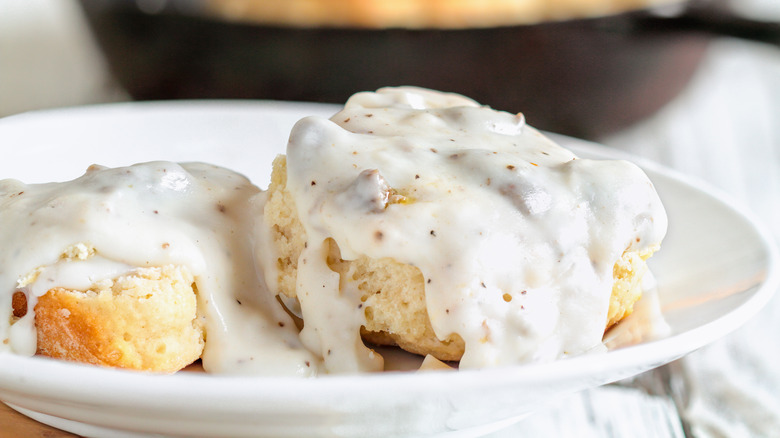
There are few Southern dishes more beloved than biscuits and gravy. A staple at many American diners, breakfast joints, and other humble eateries, it hails from a time when laborers needed cheap, high-calorie food to keep them satisfied and productive until their next meal. It's still an exceedingly affordable dish, and it's relatively easy to make at home — whether you bake the biscuits from scratch or use a pre-made mix.
Even if you've made biscuits and gravy before, you might not realize that there are quite a few mistakes you can make with this dish. To learn more about these potential pitfalls and how to avoid them, we consulted some biscuits-and-gravy experts: Mallorey Atkins, chef and owner at Farm To Belly; Nate Cayer, executive chef at Sorry Charlie's in Savannah, Georgia; Rena Awada, food blogger and founder of Healthy Fitness Meals; and Brian Theis, author of "The Infinite Feast." By dodging these mistakes, you'll make sure that your biscuits and gravy turn out delicious every single time.
Using low-quality ingredients
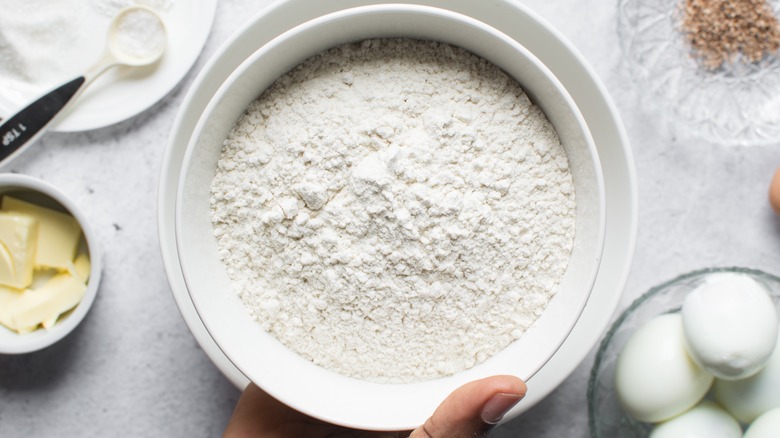
One of the biggest mistakes you can make with just about any recipe is using low-quality ingredients. After all, the best culinary techniques in the world can't do much to fix produce, meat, or pantry staples that simply don't taste good. When it comes to a dish as simple as biscuits and gravy, you're not working with many different components or complex flavors, so the quality of your ingredients is especially important. You can really tell when you're using the low-quality stuff here.
Mallorey Atkins highlights why quality ingredients are crucial for this kind of dish. "Biscuits are built on a simple trio: butter, flour, and milk," she explains. "When any of those are low quality, the flavor suffers." One ingredient that you'll really want to take a closer look at is the flour. If you don't bake often, that old bag of flour in the back of your pantry might be rancid. Make sure you buy fresh flour if you haven't used any in a while — Atkins believes that this makes a big difference in how the dish turns out. Some types of flour can go bad after just a few months in the pantry; for example, it's better to store whole wheat flour in the fridge to keep it fresh. And if you're trying to go the extra mile, you might want to seek out specific, higher-quality ingredients. "I personally use high-protein flour and heavy cream instead of buttermilk for a richer crumb," says Atkins.
Twisting the biscuit cutter
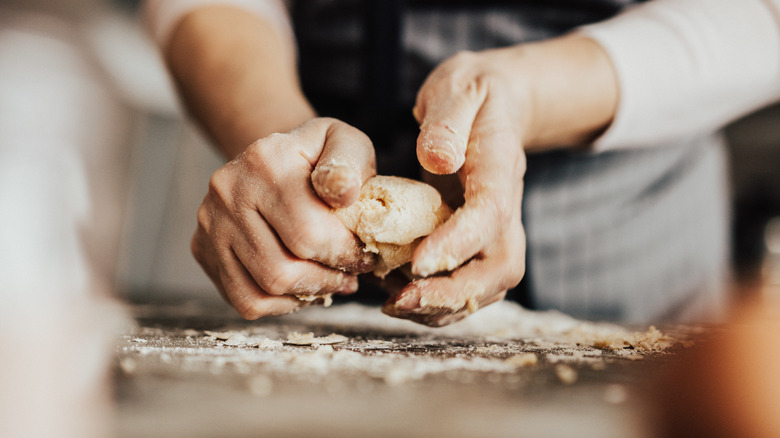
If you're not experienced, you might not be aware of how much your technique can affect your baked goods. But don't worry — it's worth the extra effort to practice and get the chance to eat fresh, home-baked biscuits. However, when you're making them, it's important to learn how to use a biscuit cutter properly for the best possible texture. According to Brian Theis, that means not twisting the cutter.
Why is twisting the biscuit cutter such a problem, you ask? Theis explains that twisting it seals the edges of the dough, making it trickier for your biscuits to rise. This can also cause the biscuits to become sloped, which leads to uneven baking. And if you're worried your biscuits will look wonky after an awkward or sticky cut, Theis puts your mind at ease: "Your goal is not perfection, it is flakiness, rise, and flavor. The more rustic they look, the better they'll be."
Not cooking the roux for the gravy for long enough
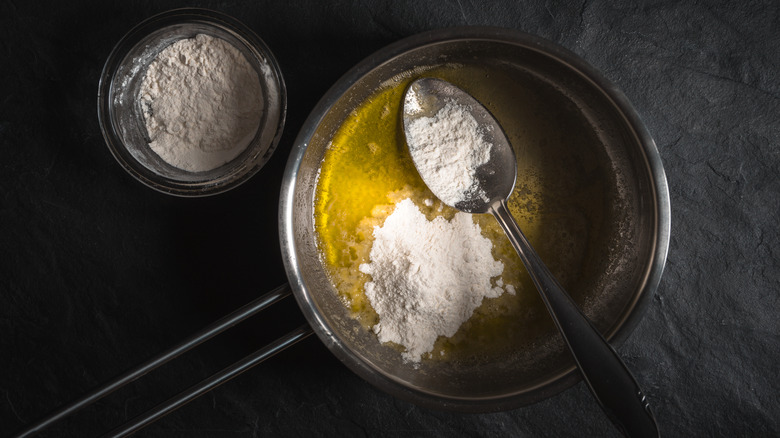
Making a velvety roux may seem relatively straightforward, but it takes some work to perfect the skill. And if you've never made a roux for gravy before, you may not know how long to cook it before adding the other ingredients. Nate Cayer says this is a common issue that people run into while making biscuits and gravy — they simply don't cook the roux for long enough.
"People toss in the flour, give it a quick stir, and go straight to the milk," says Cayer. "If you do not give that flour a couple of minutes to cook, you end up with a pasty, raw flavor and a flat, unsatisfying gravy." Generally, you're going to want to cook your roux for at least 10 minutes to give it the depth of flavor it needs to really make your sausage gravy shine. "Let the fat and flour bubble together until it smells nutty and loses that raw flour smell before you start whisking in your dairy," Cayer suggests. "The flavor and texture jump way up."
Overworking the dough
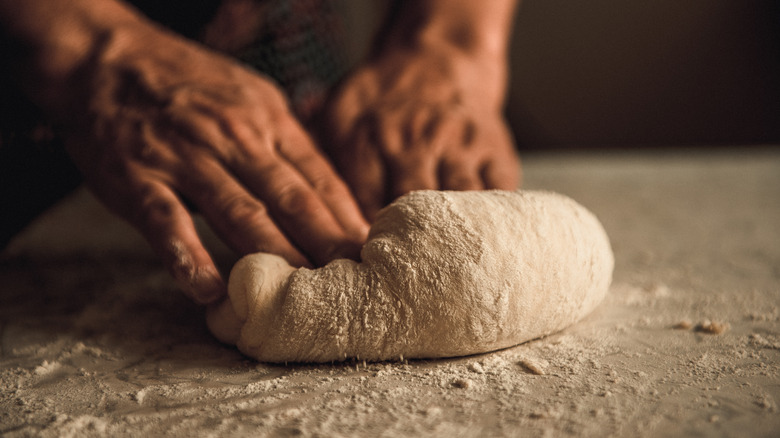
If you've ever made biscuits and found that they end up hard and tough instead of soft and fluffy, you're not alone. According to Mallorey Atkins, this is likely a result of overworking the dough — one of the most common mistakes home cooks make when preparing biscuits and gravy from scratch.
While you're going to want to make sure all the ingredients for your dough are well-incorporated, it's not a good idea to continue kneading after the ingredients are combined. "Too much mixing activates the gluten and creates tough, dense biscuits," explains Atkins. "Mix just until the dough comes together — no more." This means kneading around five to 10 times to ensure a smooth dough that still retains its flaky, soft texture. Any longer, and you're simply wasting time for worse results.
Using warm butter
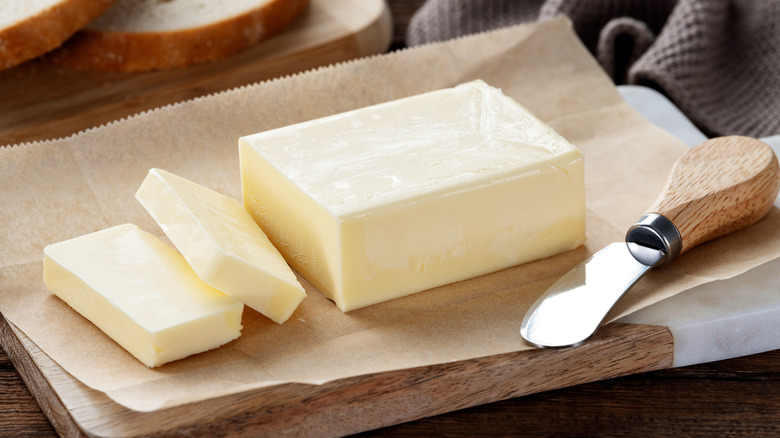
Less experienced bakers may assume that butter is butter, and that the temperature of the ingredient doesn't really matter. While that may be true for some recipes, the temperature matters a lot when it comes to making flaky pastry. This is why Rena Awada says that using warm butter or shortening can be a big mistake when making biscuits and gravy.
To start, you're going to want to use cold butter. This prevents it from melting too quickly into the dough, creating a too soft (but definitely not flaky) texture. "For flaky layers, fats should remain cold, so try to work quickly to keep the dough as cold as possible," explains Awada. For the fluffiest biscuits, even after you've incorporated the butter into the dough, you may want to refrigerate it before putting it in the oven.
Not browning the sausage for your gravy enough
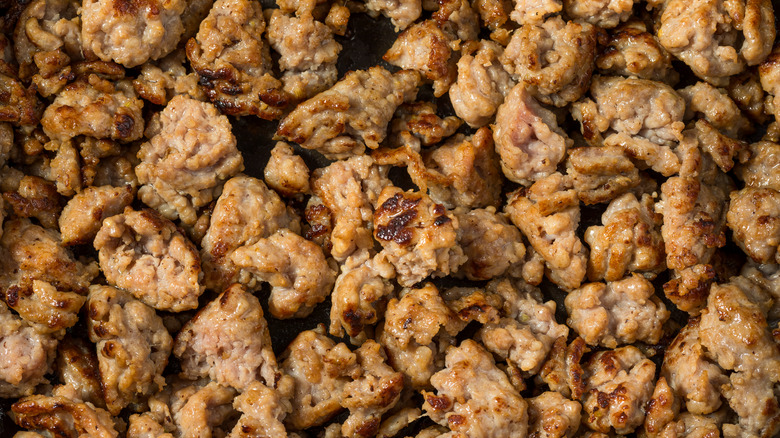
We've all had times when we've been in a rush to get breakfast on the table, particularly when family members or friends are complaining that they're hungry. But if you want to make the best possible biscuits and gravy, then you're not going to want to rush the gravy-making process, especially when it comes to browning the sausage. After all, this is where you're building most of the flavor that the dish depends on.
"Rushing the browning step leads to pale, flavorless gravy," explains Atkins. Unbrowned sausage will still have that richness and fattiness that you're looking for in this dish, but it may not have the complexity you're craving, since you haven't allowed the Maillard reaction to take place. This is why you need to take your time after you add the sausage to your pan. "Let the sausage develop deep, caramelized bits — that's where the flavor lives," says Atkins. This is where technique really matters. Atkins presses her sausage into a hot skillet until she can't see air bubbling through the top of the meat. Then, she leaves it alone until it's caramelized on the bottom, flips the sausage, and repeats the process.
Underseasoning the gravy
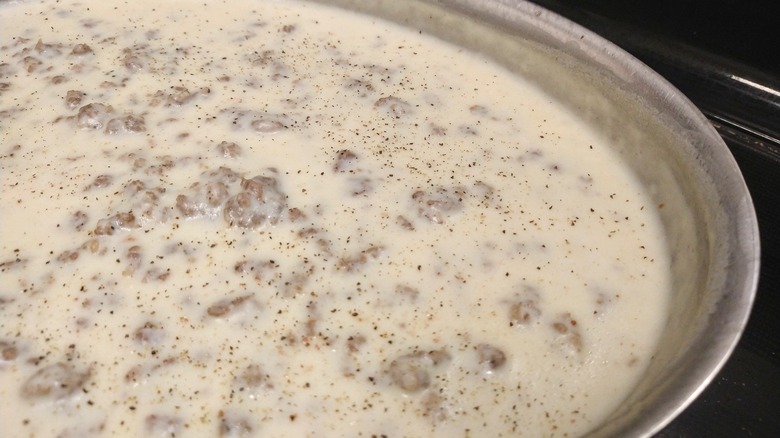
Let's face it: Biscuits and gravy are a dish that can be quite bland if you don't season it enough. Most simple biscuits and gravy recipes don't call for that many different seasonings, but that doesn't mean you should go light on them. In fact, you really need to embrace the limited spices you're working with to ensure that every bite is infused with flavor.
According to Rena Awada, under-seasoning the gravy is another frequent mistake that home cooks make with this dish, so you'll want to really pay attention to your recipe and taste as you go to ensure that you are getting enough flavor. "Gravy is one of the sauces that requires an assertive seasoning," explains Awada. The main seasonings you'll use are salt and pepper — they make up the backbone of this dish's flavor, in addition to the sausage itself. However, she says that you can also use small amounts of cayenne or paprika if you want to give your dish some extra warmth.
Over-thickening the gravy too early
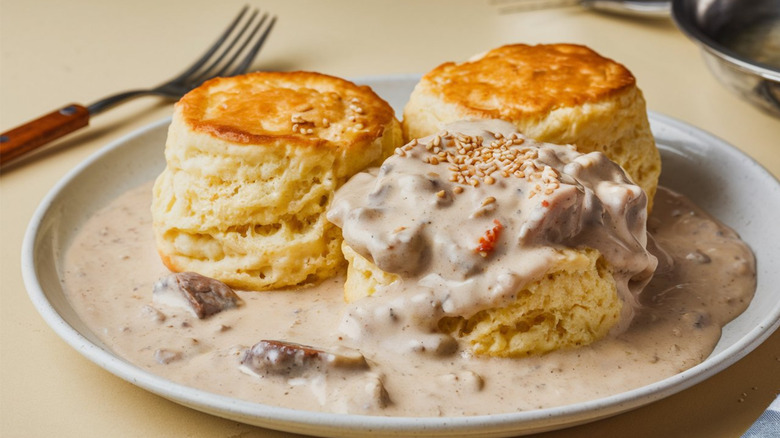
When you take a close look at a recipe for biscuits and gravy, you might notice that the main ingredient in each portion of the dish — meaning the biscuits and the gravy — is flour. Not only does that flour make up the majority of the biscuits, but it's also what thickens the gravy, so it's nice and rich instead of thin and watery. Although you do want your gravy to be fairly thick, it should still be thin enough to spread over the biscuits properly.
How you add the flour to the gravy makes a big difference in the texture of the final dish, which is why it's so important not to over-thicken the gravy too early. "Many cooks add all the flour at once, ending up with paste instead of gravy," explains Mallorey Atkins. So, what's the solution? "Start with less," she suggests. Atkins also points out that you can always thicken a thin gravy, but trying to thin out gravy that's too thick will kill the texture. Patience is also important — if your gravy looks too thin at first, just give it some time to simmer, as it will start to condense on its own.
Using non-pork sausage
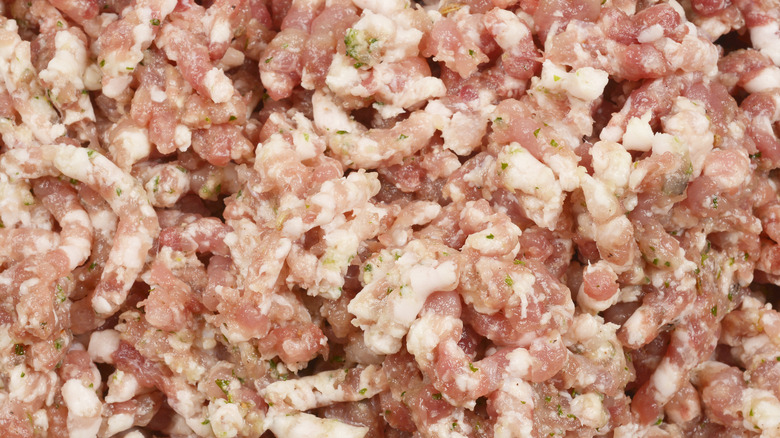
Usually, we advocate working with whatever ingredients you already have in the fridge, even if they don't exactly match your recipe's ingredient list. In some recipes, for example, it's easy to switch out the type of meat you're using for another. However, it's absolutely a mistake to do so when it comes to biscuits and gravy, says Brian Theis. "This is not the time for chicken, turkey, or — Heaven help us — plant-based sausage," he says. "Repeat after me: pork, pork, pork."
Pork is the most classic biscuits and gravy meat to use, and because you want to harness the fattiness that pork sausage is known for, you're definitely not going to want to skip it here. You won't get the same texture or richness from, say, chicken sausage, so make sure you find a good-quality pork sausage at your local grocery store. Theis' favorite is Odom's Tennessee Pride. "In my book it, can't be beat," he says.