

The Glaring Reason People Turn Away From Grocery Delivery Apps

For many, the age of grocery shopping has come to an end. The weekly chore of driving to the store, pushing a cart down all of the aisles while trying to remember exactly what you need — and also keeping an eye out for the best deals — these are things of the past. Nowadays, one can easily punch a grocery list into their phone on a Sunday morning before even getting out of bed, and just a few hours later the weekly shop simply shows up at the doorstep. With convenience like that, what on earth could drive customers away from grocery delivery apps? In short, the cost of these services can be prohibitive. But the true mechanisms behind why these costs are so high is likely still a sinister mystery for many consumers.
Grocery prices in the U.S. have been steadily rising for the past five years, leading to high prices across the board, and record-high prices for staple items like beef, eggs, and dairy products. Many consumers are struggling to keep up with the ever-increasing cost of food, and these effects are magnified by the use of grocery delivery apps. There are a number of reasons behind it, but in most cases online grocery shoppers spend significantly more than those in the store. These services come with obvious additional expenses like subscription fees, delivery fees, and tips for shoppers and delivery drivers, but many of the increased costs for users of these apps are actually hidden from the consumer. It is an open secret that the products on these apps often carry higher prices than they do in the store, increasing the cost to consumers at home, but it actually gets much, much worse than that.
The ever-changing costs of online grocery shopping

In October of this year, New York Governor Kathy Hochul vetoed a bill that would force these companies to disclose when the prices presented to consumers online didn't match in-store prices. The governor's argument was that stores with multiple locations would struggle to keep up with the changing prices, somehow leading to increased costs for consumers. Her political opponents argued that this was simply her caving to lobbyists, so that these apps can continue to quietly nickel-and-dime their users. While it is obvious that these hidden price increases are a boon for the companies operating these apps, the true scope of the issue may be larger than we realize. It is not just a single standard mark-up that these apps are applying across the board, it may be much more targeted than that.
An experiment conducted by Groundwork Collaborative, Consumer Reports, and More Perfect Union found that for Instacart customers, prices for the same items from the same stores added to the cart at the same time could vary significantly in cost based on the user. For example, 12 Lucerne eggs ranged in cost from $3.99 to $4.79 — a 20% difference — between customers. The overall effect of this pricing manipulation was estimated to be an average of around 7% for identical carts. When played out over the course of a year, the study estimated that this could cost an individual household as much as $1,200. It is often assumed that users of these apps have money to spare, but data reveals that online grocery shopping is not just used by those with surplus income. These manipulative pricing techniques hurt working families.
Surveillance pricing is coming to your grocery basket
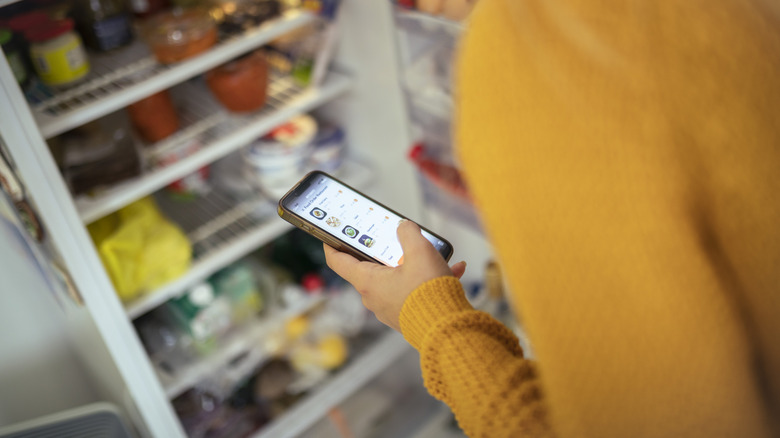
It is no secret that grocery stores have been making moves to ensure that they can charge as much as possible for their products. In 2024, Walmart was met with outrage after announcing that it would shift to electronic price tags for products, allowing stores to adopt dynamic pricing and, for example, instantly increase the price of ice cream and cold drinks on a hot day. But even those exploitative practices pale in comparison to the surveillance and AI-driven pricing schemes that may be on the way — or may already be here.
The heart of the Instacart pricing debacle has been attributed to an AI-powered algorithmic pricing tool. When questioned, Instacart insisted that it did not use personal or demographic data in these pricing experiments, though the company did state that consumer-packaged goods companies that used its product may use behavioral data to inform their decision making. The FTC found in January of this year that surveillance pricing — using personal data like browser history and exact location to adjust prices for consumers — is already in effect in many industries. So, while the questionable practices of Instacart are fully on display right now, they are likely far from the only company in the grocery industry using such tools.
The increasing ability of megacorporations with access to your personal data to extract as much money from you as possible in each online transaction may help to explain why in-store grocery shopping is on the rise. But, then again, Kroger has been accused of potentially using facial recognition to adjust prices for consumers, so this issue may soon extend to in-store shopping as well — if it doesn't already.