

Lidia Bastianich's 6 Best Tips For Italian Cuisine

Italian cuisine is one that many home cooks love to incorporate into their weekly meal plans, whether as a quick weeknight pasta or a special date-night feast. Few people understand Italian cuisine better than celebrity chef, restaurateur, and Emmy award-winning television host Lidia Bastianich. She immigrated from Italy as a 12-year-old and remains one the greatest and most passionate promoters of Italian gastronomy in the U.S.
Her cooking philosophy is based on practical tips that allow home cooks to create dishes that are easy to make but incredibly delicious and packed with flavor. Throughout her numerous cookbooks, cooking shows, and interviews, Bastianich has shared many tips over the years to help Italian-loving home cooks capture the ethos of Italian cooking at home. From the essential ingredient that your risotto should never be without to choosing the best canned tomatoes for your marinara sauce, her simple tips and tricks help take the overwhelm out of cooking Italian food and allow you to enjoy the incredible flavor the ingredients create when combined. Let's take a look at Bastianich's best tips for Italian cuisine.
Always add white wine to risotto
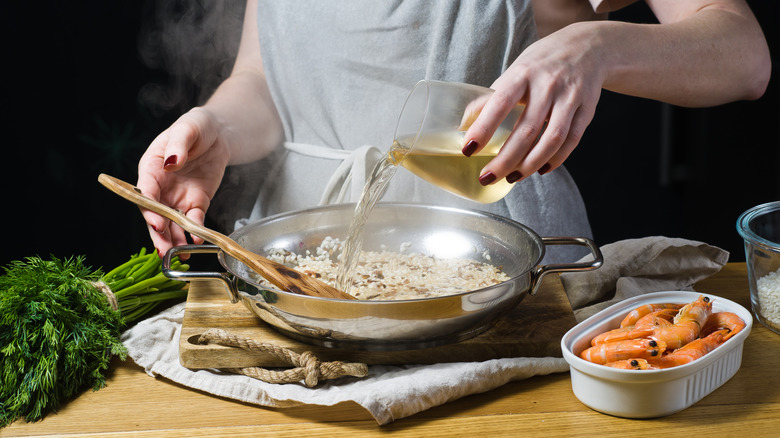
Risotto is an Italian classic that calls for a little bit of attention and care to get it right. Lidia Bastianich explains that there are many different ingredients that can be added to a homemade risotto, but she suggests one that is essential every time — a generous splash of wine.
White wine in risotto is not simply for flavor, as Bastianich revealed in an exclusive interview with Tasting Table. "The rice will absorb the wine," she says and further explains that it will help "balance the kernel of the rice with flavor and with acidity." To get the most out of the wine, add it at the beginning of cooking, as soon as the rice has been toasted. As you add it to the pan, you will hear the satisfying sizzle and smell the aroma. Stir immediately to allow the kernels to soak it up.
As always, make sure to choose a wine that you enjoy drinking. Bastianich advises that there is no need to buy an expensive wine specifically for risotto — any leftover dry white wine in the fridge will work. Avoid sweet wine as this will not have enough acidity to create the required balance and make sure to leave enough in the bottle to enjoy a glass alongside your risotto once it is cooked.
Prepare a whole bulb of garlic once you open it, and store in the fridge
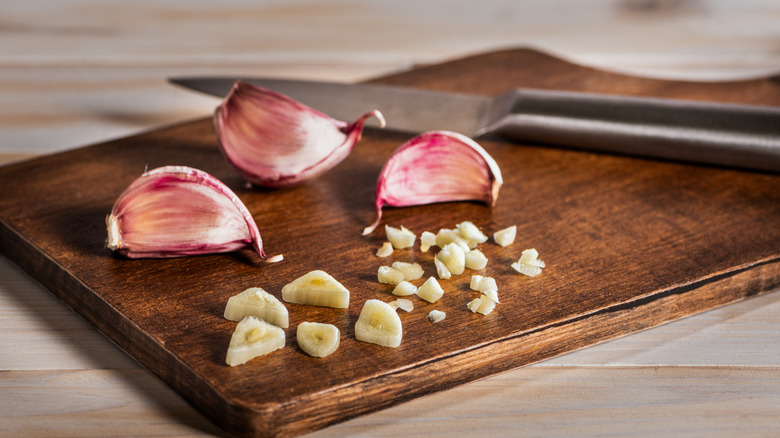
Garlic is one of the key ingredients in Italian cuisine, and as a keen home cook you likely have a bulb in the pantry at all times. Preparing garlic can be a pain though, especially if you only need one clove for your recipe. Lidia Bastianich avoids this issue by batch preparing cloves of garlic and storing them in the refrigerator for later in the week.
When opening a new bulb of garlic, Bastianich prepares every clove instead of removing only one. Separating the cloves with the satisfying whack of a large knife, she then peels the skin from each one, before storing them in an airtight container. This prevents the skin from ending up all over the kitchen cupboard as you return the half-peeled bulb to its home, and it keeps the remaining cloves firm and fresh for a week.
Bastianich's tip also reduces the number of times your hands are exposed to the pungent garlic smell, especially if you use a garlic press to prepare the remaining cloves. If the smell bothers you, she recommends a squeeze of lemon juice afterward to remove the offending odor.
Use the end piece of prosciutto to add depth flavor to sauces
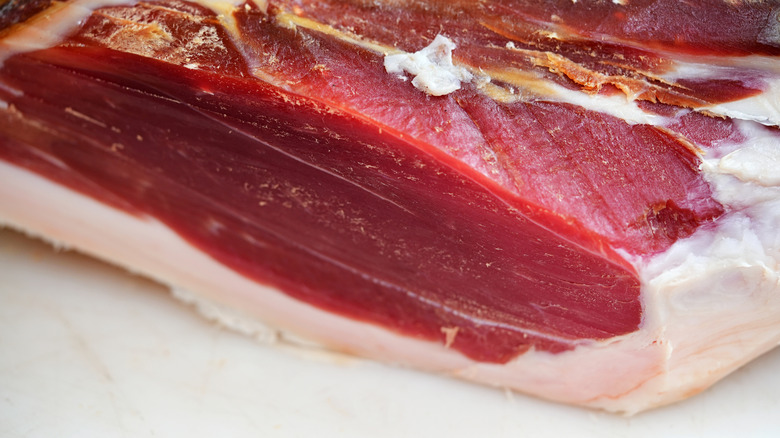
Prosciutto is a classic Italian delicacy, and the soft, silky meat cut paper thin is the star of many charcuterie boards. However, once the prime meat has been removed, the leftover chunk shouldn't be wasted. Lidia Bastianich recommends using the heel of the prosciutto as an umami bomb when making sauces.
Bastianich advises asking at the deli counter for the heel of the prosciutto. Although it's the most affordable piece, it's packed with fat and savory delights, and adding it to a dish as it cooks will create a wonderful depth of flavor. Its salty nature means it seasons the dish as it cooks, easily elevating broths, soups, and pasta sauces. This technique embraces the Italian philosophy of respecting ingredients and minimizing waste, and getting such intense flavor from a piece of meat that is often discarded is a satisfying way to enhance your meal.
Choose San Marzano when you need canned tomatoes
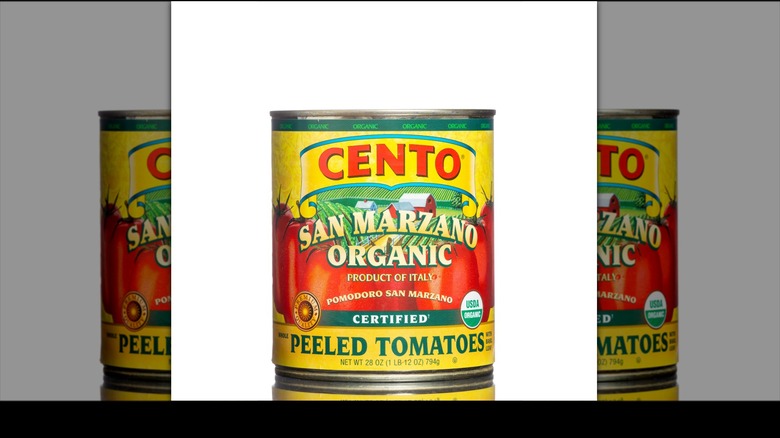
Tomatoes are heavily featured in Italian cooking, and while fresh tomatoes are ideal, Lidia Bastianich reassures us that canned tomatoes are also a great option. However, she stresses that it is important to use good quality tomatoes, her favorite being San Marzano. In her interview for Tasting Table, she shared that these tomatoes are the best because they have "thin skin, a lot of pulp, not too much juice — juice is acidic — and not too many seeds." As she explained, seeds usually impart bitterness, which is not something you want in your tomato sauce.
Bastianich also has an old-school tip for crushing whole canned tomatoes, explaining that using a food processor can dull the color. Instead, she uses a food mill to create the perfect texture without incorporating too much air. If you don't have a food mill at hand, take the more traditional route and crush them with your hands! With high quality San Marzano tomatoes, you can create a range of classic Italian dishes, from a simple marinara sauce to a rich meat ragu that you can use for lasagna. For marinara, Bastianich advises keeping it simple with just three ingredients for the base — tomatoes, garlic, and olive oil — before seasoning with salt, peperoncino, and fresh basil.
Choose 100% durum wheat when buying boxed pasta
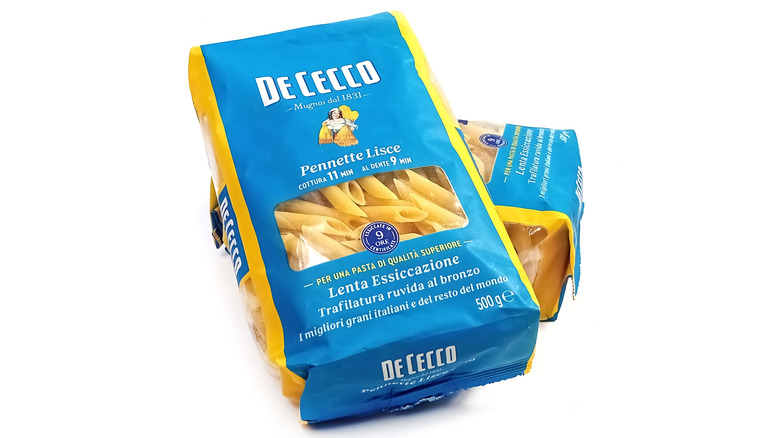
Many of us would love to have time to create fresh, homemade pasta to serve as a weeknight family meal, but with busy schedules and an ever-growing to-do list, boxed pasta usually comes to the rescue. Buying the correct type of pasta is crucial for creating delicious, satisfying Italian dishes, and Lidia Bastianich insists that it must be 100% durum wheat.
"Durum wheat is a wheat that has gluten," she explained in an interview with Tasting Table. "It's high in gluten content, so when you mix it, you develop that strength, the backbone that pasta needs to be cooked." High-quality pasta will often have 100% durum wheat printed somewhere on the box, so it should be easy to spot it the next time you go shopping for pasta. Ideally, durum wheat will be ground into semolina, so make sure to look for that term as well.
Once the pasta has cooked, Bastianich likes to use some pasta water to add to the sauce, just before plating up. A few spoonfuls should do the trick, finishing the sauce nicely and helping it cling to the delicious durum wheat pasta.
Use distinct olive oils for different uses
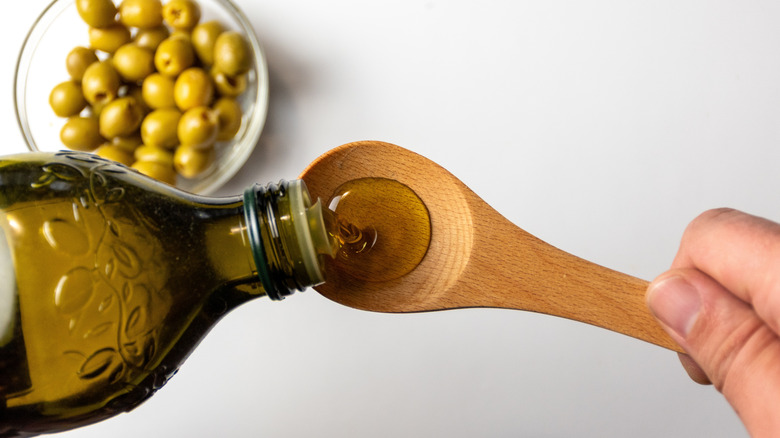
When choosing an olive oil, Lidia Bastianich's choice of Italian oils is not a surprise, but she likes to be even more region specific. There are many Italian regions that produce olive oil and they all have different flavor and properties. Bastianich has certain regions that she favors, depending on what she is serving the oil with.
"I like the Ligurian oil, which is light and buttery, and the North Lake oil," she shared in a Tasting Table interview. "I use that for fish, for salads." Oils from the center of Italy however, such as Tuscany, have peppery notes that make them ideal for grilled food; and for fresh salads and tomatoes, oil from the south is her go-to option.
Bastianich also recommends never using olive oil for frying at high temperatures. Olive oil should be reserved for drizzling, and vegetable oil is best suited for frying. Extra virgin olive oil is the highest quality option, and she suggests pouring it on top of finished dishes such as pastas or soups. Choosing your oil carefully to suit the dishes will result in balanced, flavorsome meals that encapsulate the essence of Italian cooking.