

The Safety Device Every Home With A Gas Stove Should Have

We may receive a commission on purchases made from links.
There's been a significant increase in gas leaks over the past 10 to 20 years, according tothe National Fire Protection Association (NFPA), a non-profit committed to reducing fire and electrical hazards. Science Direct analyzed reports of gas leaks between 2003 and 2018 via the National Fire Incident Reporting System and found 2.4 million incidents across the United States. Gas leaks can be incredibly dangerous to human and animal health and safety, causing serious illness from exposure, or even injury or death due to fire or explosion. One crucial tip for cooking on a natural gas stove is to take proactive, preventive safety measures to reduce your risk of a gas leak or explosion.
The best way to protect yourself and your home is to invest in a natural gas detector. This invaluable safety device consists of a sensor, exterior control casing, and alarm. It continuously samples indoor air, monitoring for signs of methane, which could indicate escaping natural gas. If it senses dangerous levels, it emits a loud alarm.
Although natural gas is colorless, odorless, and tasteless, a chemical is added to it so that leaks are more noticeable. This chemical smells like sulfur or rotting eggs. However, after smelling the chemical for a few minutes, you might become immune to it. Also, if you aren't home or are sleeping when a leak occurs, you might not notice the smell in time to prevent a catastrophe.
This is why the NFPA recommends the installation of natural gas detectors in homes. Devices should be installed near any fuel-burning appliances, including in attached garages and basements. When choosing between a gas vs electric oven, consider the added expense of installing a natural gas detector.
Tips for finding the best natural gas detector and installing it properly
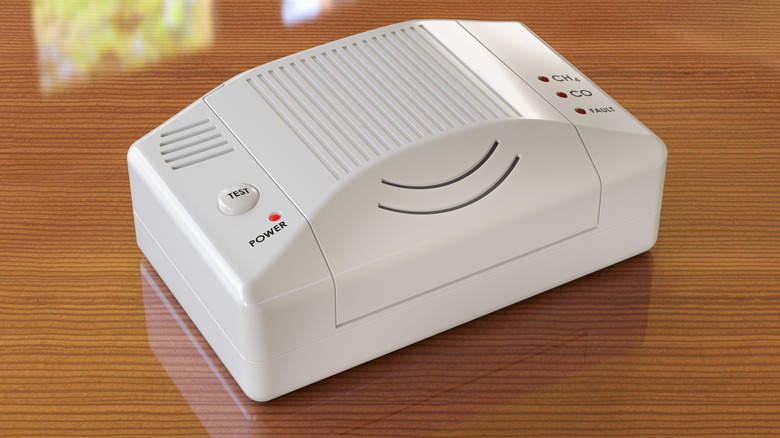
Also called a combustible gas detector, these devices can be purchased at home improvement stores, big-box stores such as Walmart, and through online retailers such as Amazon. You should only purchase a device that has undergone the required testing process outlined by the NFPA. These devices will contain a label confirming testing from a recognized agency.
According to SafeGas.org, which uses a panel of fire prevention experts and inspectors to analyze and review products, the best natural gas detector is the Kidde Nighthawk Gas Detector, available on Amazon for less than $60. It is recommended for its automated calibration, customizable sensitivity levels, and reliable detection range.
Before installation, read the device's manual. If you have doubts about your ability to install it properly, consider hiring an electrician or contacting your gas company or local fire department for advice. The NFPA recommends installing detectors near any fuel-burning appliance, including stoves, ovens, water heaters, furnaces, dryers, and fireplaces.
Most natural gas detector manufacturers recommend installing an alarm on each level of your home. Because natural gas is lighter than air and will rise as it escapes, your alarm should be installed at least 20 feet from the appliance, and mounted 6 to 12 inches from the ceiling. Avoid humid areas, direct sunlight, or environments colder than 40 degrees Fahrenheit or hotter than 100 degrees Fahrenheit. Do not install it near windows, fans, air vents, or other sources of drafts, as the air could blow the gas away from the detector before it can sense dangerous gas levels. Because gas stoves can also be harmful to the environment and pose a risk of leaks and explosion, you might prefer to opt for an electric stove.