

The Best & Worst Rosé Wines You Can Buy At Costco Under $30
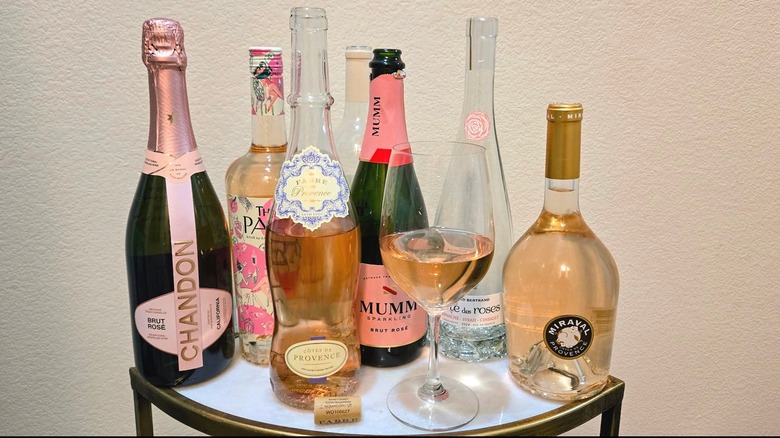
If you thought rosé was only for sipping poolside throughout the summer, think again. Winemakers typically release their rosé wines in the spring, shortly after the harvest, when the fruit is at its brightest, and refreshing flavors pair well with seasonal fare. Still, delicious rosé options are available year-round.
Winemakers make rosé from red grape varieties, creating wines with fresh, fruit-forward flavors similar to those of their red wine counterparts. However, the rosé palates will be lighter, flavors will typically be fresher, and acidity will be brighter. With these attributes, a rosé wine can easily pair with any cuisine, from spicy Thai or Mexican to light seafood or pasta dishes — to even your Thanksgiving table.
One place that often offers ample domestic and international options is Costco. The wholesaler's wines are also frequently priced lower than those in a typical retail store. However, in a sea of pink, how can you tell which are worth trying and which to skip? To help, I gathered selections currently lining Costco shelves to determine which deserve a spot in your shopping cart. I tried the wines side by side, evaluating their taste while considering how they were produced, the winery's history, and their provenance. I utilized my skills and training as a Certified Sommelier, Certified Specialist of Wine, and loyal Costco shopper.
Some recommendations are based on firsthand impressions of promotional materials and products provided by the manufacturer.
Best: Chandon Brut Rosé
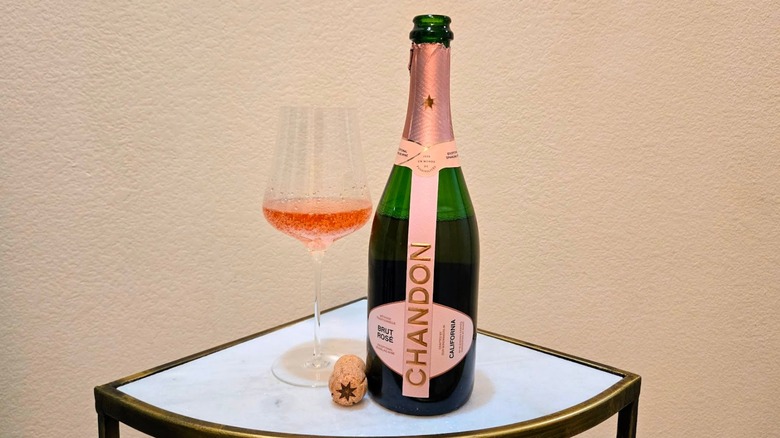
Domaine Chandon was the first French-owned sparkling winery in the United States. The historic Champagne House, Moët & Chandon, established the Napa Valley property in 1973. Chandon crafts its California appellation sparkler in the traditional method, with the secondary fermentation occurring inside the bottle to create the bubbles. Blending 57% chardonnay, 40% pinot noir, and a touch of pinot meunier, the bottled wine ages a minimum of 12 months on the lees, or dead yeast strains.
With a vibrant fuchsia color and a lively mousse, Chandon's sparkling brut rosé opens with a pop of freshness, preparing the palate for the tasty journey ahead. While the appellation covers the entire state, Chandon sources its fruit from regions affected by the Pacific Ocean, which blows cooling, salty breezes through vineyards. The oceanic influence keeps the fruit fresh and the acidity bright, while imparting a touch of mineralic salinity into the fruit-forward wine's flavor. The yeasty lees lend a creaminess to the palate while imparting notes of marzipan and brioche.
The wine has 9.5 grams per liter of residual sugar, classifying it as a brut style. The residual sugar helps balance the fruit's acidity, ensuring a well-rounded, dry, multidimensional palate. Available at Costco for under $20, the juicy wine's fresh red fruit flavors — strawberries and cherries — and its crisp acidity are ideal for pairing with rich or spicy dishes, such as a platter of hearty fried chicken or spicy pad Thai.
Worst: Mumm Sparkling Brut Rosé
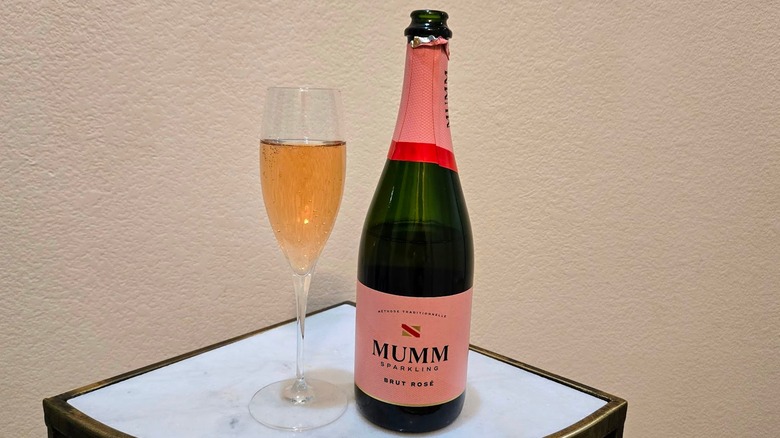
Mumm Napa crafts its traditional-method sparkling wine, Mumm Sparkling Brut Rosé, from a blend of pinot noir, chardonnay, and pinot meunier, sourced from fruit grown throughout California. After primary fermentation, the secondary stage occurs in the bottle, meant to help create its delicate, dancing bubbles and add yeasty, brioche notes to the sparkling wine.
However, in tasting Mumm Napa's selection, the signature element I find in the wine is sweetness, which is odd, as Mumm Napa crafts the selection in a brut style. While a brut wine is not the driest style of sparkling wine, it is among the driest, with a range of zero to 12 grams per liter of residual sugar. Mumm Napa's sparkler is on the high side of this range with 10.4 grams of residual sugar per liter. Costco offers a delightful savings over the suggested retail price of $25, selling the bottle for under $15. Still, the lack of balance made this fruit-forward wine taste cloying and ultimately one to skip on your next trip to the store.
Worst: Fabre En Provence Côtes de Provence Rosé
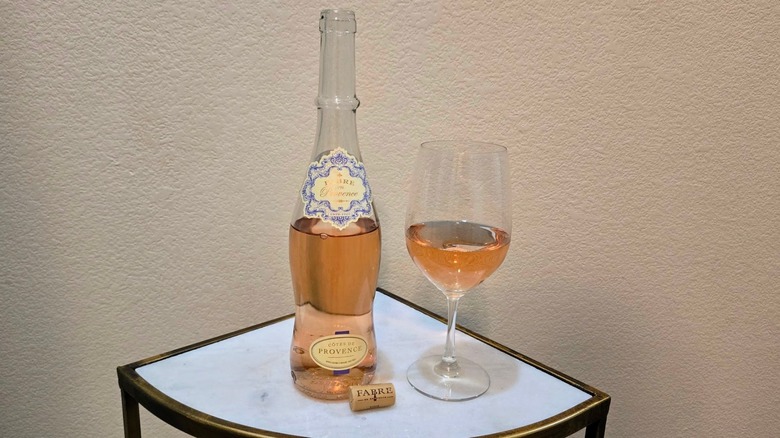
I was looking forward to trying Fabre En Provence Côtes de Provence rosé as I adore the wines of that region. The area has been crafting wine since 200 BC, when the Romans settled and planted the first grapes. For 17 generations, the Fabre family has been farming grapes and making wine within Côtes de Provence. With over one thousand acres under vine, Fabre en Provence is one of the largest family-owned and operated estates in the region.
Working with a focus on biodiversity and sustainability, the winery crafts 420,000 bottles of its Côtes de Provence rosé, blending predominantly cinsault with grenache and syrah. The cinsault should lend a delicate touch to the wine, balancing the fruit-forward grenache and dense syrah. However, this selection was not as clean or refreshing as others available at Costco, altering its overall enjoyment. Bitter citrus pith, crushed stone, and a touch of pine resin were at the forefront, masking the fruit's flavors and leaving the palate wanting more. While I enjoy wines with more savory characteristics, this one came across as unbalanced, leaving my palate searching to find the typical attributes of French rosé. While it is one of Costco's more affordable options, costing around $13 at select locations, I would skip it in favor of others.
Best: Miraval Côtes de Provence Rosé
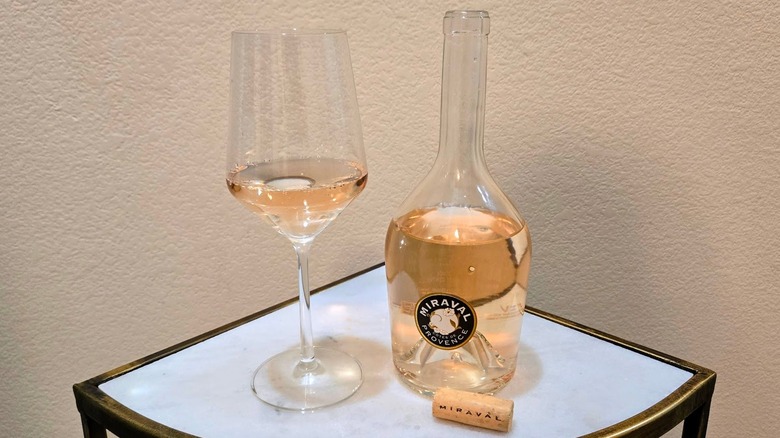
Miraval is consistently one of the standout rosé wines from Provence, crafting elegant, elevated, and refined rosés from clay and limestone soils beneath Provence's wild garrigue of woody herbs and wildflowers. Château Miraval made headlines when actors and entrepreneurs Brad Pitt and Angelina Jolie acquired the property in 2012, partnering with the Rhone Valley's prestigious Perrin family. Then Pitt and Jolie got into a legal battle, resulting in years of drama for the picturesque winery.
Drama aside, thankfully, throughout the years, the wine has remained a show-stopper, proving why Provence is the ideal place to make ethereal rosé wines. The Miraval bottle is immediately recognizable for its short, broad style, unlike a traditional wine bottle. Inside the pale pink wine blends cinsault, grenache, rolle/vermentino, and syrah. While the production primarily uses stainless steel for fermentation and brief aging, keeping the wine bright, fresh, and fruit-forward, 5% of the wine is vinified in barrels with continuous battonage.
Battonage is a winemaking process in which the juice in the barrel is continuously stirred with the lees (spent yeast cells) to intensify the wine's flavor and aroma, creating greater complexity and character. The resulting wine has a well-rounded texture with aromas of purple flowers, wild thyme, white peach, golden citrus, and a touch of blood orange. The finish is clean and bright, with a hint of saline. Costco offers the delicious bottle for around $20 at locations nationwide.
Best: Gerard Bertrand Côtes des Roses Rosé
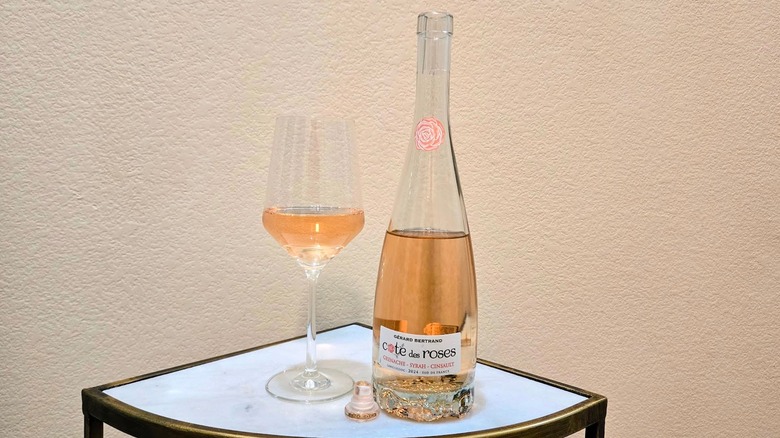
Wine lovers celebrate the Provence region of France for its refreshing rosé wines. However, its wine-producing neighbors to the west, within France's Languedoc-Roussillon, are crafting equally crisp, light, distinct, and delicious rosé wine from classic Rhone Valley varieties. Among the regions' top producers is visionary vigneron and environmentalist, Gerard Bertrand. Bertrand is a leader in organic, sustainable, biodynamic farming within Languedoc. Biodynamic farming supports the idea that a healthy vineyard, free of chemicals and pesticides, will produce cleaner, more authentic wine that reflects the vineyard's character and terroir.
Gerard Bertrand's Cotes du Rosé is a blend of Syrah, Grenache, and Cinsault. The regional makeup allows the vines to enjoy the influence of the Mediterranean Sea, bringing sunshine-filled days and sea-salt breezes to the vineyards. Limestone, schist, and gravelly soils add an earthy minerality to the wine. These characteristics meld with fruit-forward flavors of pink grapefruit, red berries, currants, and wildflowers. The hint of minerality makes this a fine pairing with shellfish, such as a classic French bouillabaisse.
With a beautiful, sleek bottle design featuring an elongated neck and rose flower-shaped base, the bottle's presentation is as appealing as the wine inside. Available at select Costco locations for under $15. This well-rounded, thoughtfully produced wine will easily steal your heart without breaking the bank.
Best: Husch Blaze Rosé
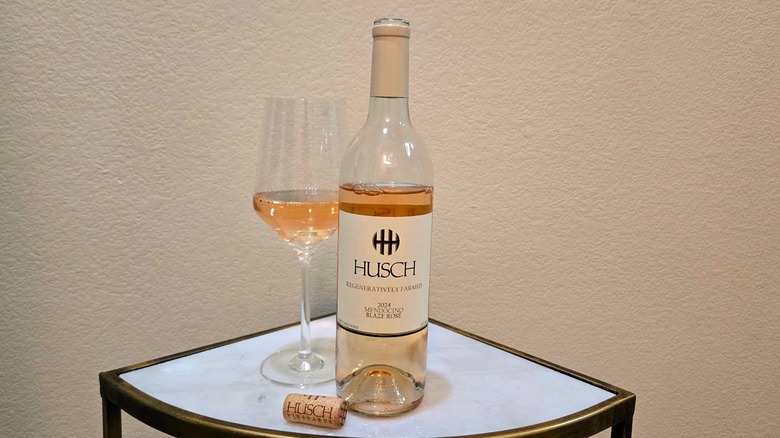
In Northern California's Mendocino County, Husch Vineyards has been farming its estate vineyards for over 50 years. Debuting its first vintage in 1971, Husch continues crafting vibrant cool-climate red and white wines from the Anderson Valley, alongside concentrated, old-vine selections from grapes planted decades ago in the Ukiah Valley. Anderson Valley enjoys a cooler, maritime climate, heavily influenced by the Pacific Ocean. It is the perfect environment for pinot noir and chardonnay. Ukiah is considerably warmer, producing a more agreeable climate for grapes such as zinfandel and petit sirah. Vineyards are maintained with no-till farming to protect against soil erosion, while Husch practices a hands-off approach in the winery, allowing the terroir to come through in each glass.
Using regenerative farming to ensure the land continues to thrive for future use, Husch crafts its Blaze rosé from handpicked, 80-year-old zinfandel grown in its Garzini Ranch vineyard in the sun-drenched Ukiah Valley. Gently pressing the grape juice from the skins produces a wine with a pale pink hue and juicy, tangy flavors of ruby red grapefruit, golden peach, ripe melon, and soft herbs. The fresh palate makes this a wine that pairs easily with light fare, from a straightforward tuna salad to an elevated salmon dish by Chef Gordon Ramsay. Costco offers the wine at a bargain price of just over $12, making it a great everyday option.
Best: Whispering Angel Côtes de Provence Rosé
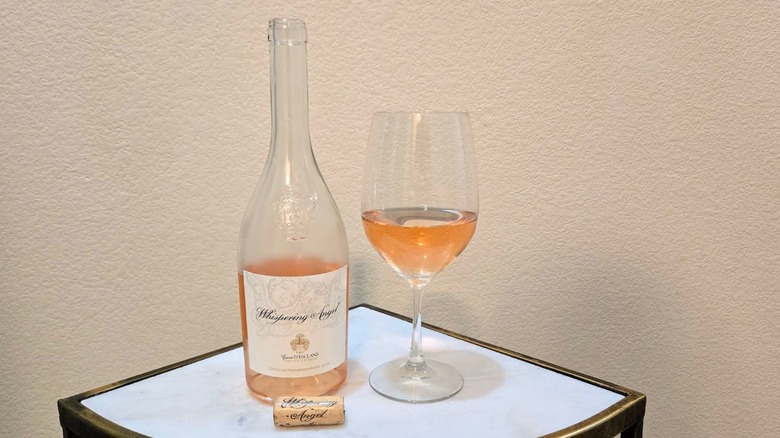
Whispering Angel burst onto the rosé scene at precisely the right time. Dry rosé wine was trending upwards, with throngs of influencers and enthusiasts joyfully raising glasses of dry pink wine to toast #roséallday. Château D'Esclans debuted the wine in 2006 with an inaugural release of 130,000 bottles. By 2017, the winery had grown its production to millions of bottles.
How did the brand grow so fast? The timing was right. However, more than that, Château D'Esclans owner and winemaker Sacha Lichine knew that to make a successful product, all factors would need to align. The wine needed to be bone-dry yet fruit-forward, with terroir authenticity and a color barely there — just a whisper of pink. Lichine successfully compiled these aspects into one, producing one of the most popular rose wines from France.
The Côtes de Provence rosé blend of grenache, syrah, cinsault, and rolle comes together to create a crisp, fresh, yet rich and textural rosé. Layers of white peaches and raspberries meld with lavender, sagebrush, and wet stone. Available at Costco for under $20, Whispering Angel is one of the best rosé wines for cocktail hour. Though easily enjoyable as an aperitif, Whispering Angel also has enough texture and character to complement main-course pairings.
Worst: Belle Glos Oeil De Perdrix Rosé

Lovers of full-flavored wines will likely enjoy Belle Glos Oeil De Perdrix rosé. Meaning, the "eye of the partridge," the rosé wine has a deep copper, salmon color, indicating that the pressed grape juice was left on the skins for an extended time to extract its rich color and tannins. The rosé opens with layers of dark plums, tart cherries, bitter oranges, and tea, mingling together throughout the medium-dry palate. Though the wine is pinot noir, it has a more muscular character and a fleshy palate, similar to what I would expect from a rosé of Syrah.
I tend to gravitate toward pinot noir for its subtler elegance. The thin-skinned, difficult-to-grow variety is known for its lighter body, silky texture, and delicate refinement. However, this one is ready for its close-up, showing a flashy profile without appropriate balance. There was a jammy character to the fruit's front palate that finished slightly bitter, a likely side effect from the extended time on the skins.
The winery suggests enjoying rosé very chilled, which I find interesting, as the colder the wine is, the less likely subtle aromas and flavors are to show (the rosé's pronounced fruit-forward style can easily pair with rich dishes). However, it wasn't what I expected from a rosé of pinot noir, or the best option currently available at Costco.
Best: The Pale Rosé by Sacha Lichine

From the creator of Whispering Angel, The Pale by Sacha Lichine hails from the Var region of Provence, where cooling Mistral from the north and west meet with Mediterranean Sea breezes from the south. The region's limestone and quartz soils give wines a hint of minerality. Blending grenache, cinsault, and syrah, The Pale melds this crushed-stone, mineral note with flavors of fresh citrus, wild berries, and golden stone fruit.
The Pale does not have quite the complexity or refinement of a wine such as Whispering Angel or Miraval. However, there is a light, lean freshness, with a palate that is effortless to enjoy. While well-made, the bright freshness and easy-to-drink, lip-smacking flavor indicate this is a wine that does not need to be taken too seriously. The dry rosé wine has a thirst-quenching quality that washes over the palate with grace. Fermentation for the wine occurs in temperature-controlled, stainless steel tanks, with the juice left on the lees, and autolyzed yeast strains, giving the wine a touch of creaminess in flavor and texture. Château D'Esclans calls The Pale its "affordable luxury" rosé. With its pale pink color and bright, clean flavor, I call it delicious — especially given Costco's reasonable price of under $12.
Best and Worst: Kirkland Signature Prosecco Rosé

Prosecco rosé wines are still a relatively new wine category, as the Italian region only approved the production and labels of Prosecco D.O.C. rosé in 2020. The wine's introduction came on the heels of continued growth in prosecco sales worldwide. The wine blends a minimum of 15% pinot noir fruit with glera, the Italian white grape variety that also serves as Prosecco's base.
Costco debuted its store-branded version in 2021. With fruit-forward flavor, the rosé opens with candied citrus, red berries, and guava, so the Kirkland Signature sparkler's palate is on the sweeter side. However, this taste is due to the wine's production in an intentionally sweet, extra dry style. The typical residual sugar level of extra dry sparkling wine is 12-17 grams per liter. Costco's offering is a bit lower with 10 grams per liter of sugar.
The key reason the wine is a best and a worst is due to Costco's recent recall of Kirkland Signature Prosecco in some states after bottles spontaneously shattered. The recall was for the Kirkland Signature Valdobbiadene Prosecco, and Costco did not recall all bottles nationwide. However, the removal does make me a bit wary of purchasing, as there had to be something off in the store brand's production to make the bottles pop on their own, which could also affect the rosé sparkler. Which, unfortunately, means this fruity, refreshing, exceptionally low-priced wine ($7.99 at time of writing) earns a mixed review.
Methodology

To decide which rosé wines at Costco are the best, I researched the store's selections through its app, accessing my local warehouse inventory and those from other locations nationwide, to find a mix of currently available options. I gathered a mix of bottles and conducted a side-by-side taste test to see which wines fared well, and which may have been drinkable, but lacked the same artistry as others. To decide which wines are worth buying, I weighed each wine's overall character, the balance of fruit, freshness, texture, and overall taste. During the tasting, I drew upon my experience and training as a Certified Sommelier, a Certified Specialist of Wine, and a seasoned wine and spirits writer who often shops for wine at Costco.