

Avoid Cleaning With Swiffer Sweepers If Your Kitchen Flooring Is Any Of These Materials
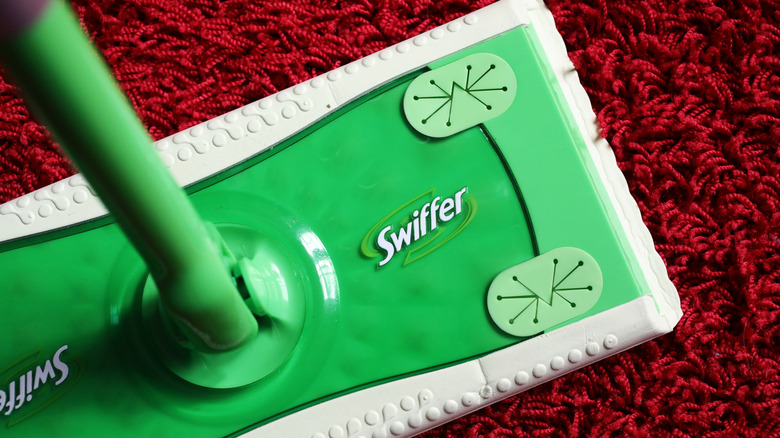
Household cleaning brands like Swiffer hang their hats on their ability to make your life easier, but products only work when they're used under the right circumstances. When it comes to keeping your kitchen floors clean, a Swiffer sweeper can either be your cleaning sidekick or your worst nightmare. It all depends on the type of flooring you have.
There are pros and cons to every kind of kitchen flooring material, but the right tools and cleaning solutions make the biggest difference between a sparkling kitchen and permanently damaged floors. Swiffer pads are soaked in a solution that's a mixture of water, surfactants, solvents, and fragrances. While this concoction can be great for cleaning certain types of flooring like sealed tile, hardwood, and laminate, it isn't a one-size-fits-all kind of product. In fact, there are many types of flooring that should never be cleaned with a Swiffer Wet Jet or Swiffer Wet Mop. Whether it's the moisture or the cleaning agents in the wet solution, using a Swiffer can do more harm than good for the types of kitchen flooring on the following list.
Unfinished wood floors
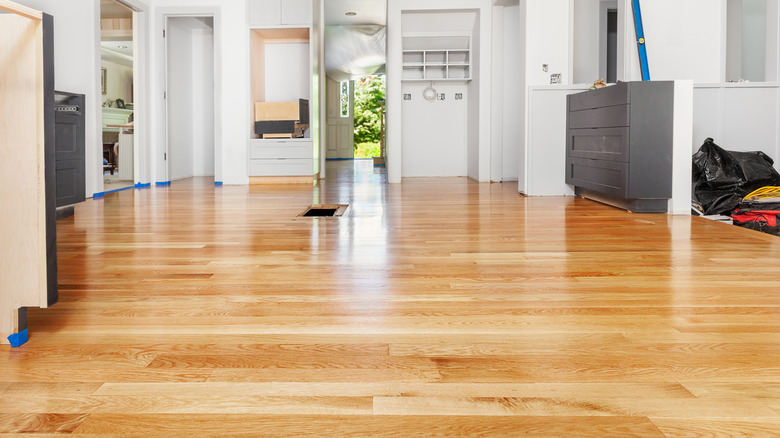
Unfinished hardwood flooring is beautiful but can be a bit finicky when it comes to routine cleaning and maintenance. It's extremely sensitive to moisture and harsh cleaning chemicals, which means any kind of Swiffer Wet Jet or Wet Mop is a hard no. Avoid causing your unfinished hardwood floors to crack, warp, or swell and clean with a barely damp microfiber cloth and white vinegar, instead.
Concrete floors
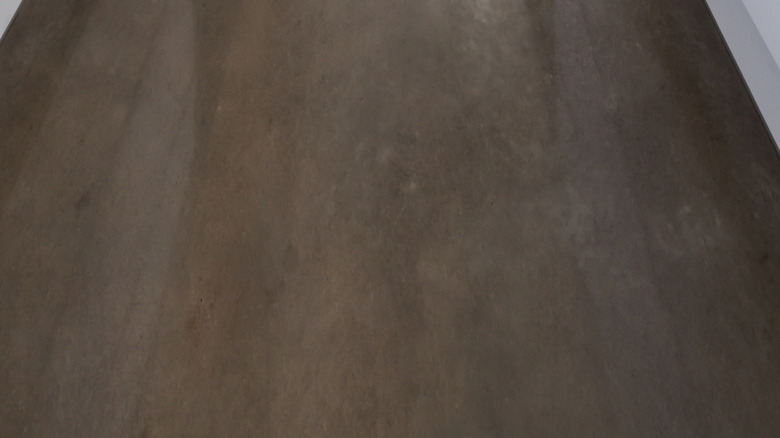
Concrete is a very durable flooring material, but it can also be porous. Sealing concrete with a resin or polish can help protect this unique floor, but cleaning with a Swiffer Wet Mop or Wet Jet can break down that sealant and lead to leaks, damage, or stains. Stick to a special cleaning solution meant for sealed concrete floors, instead.
Natural stone flooring
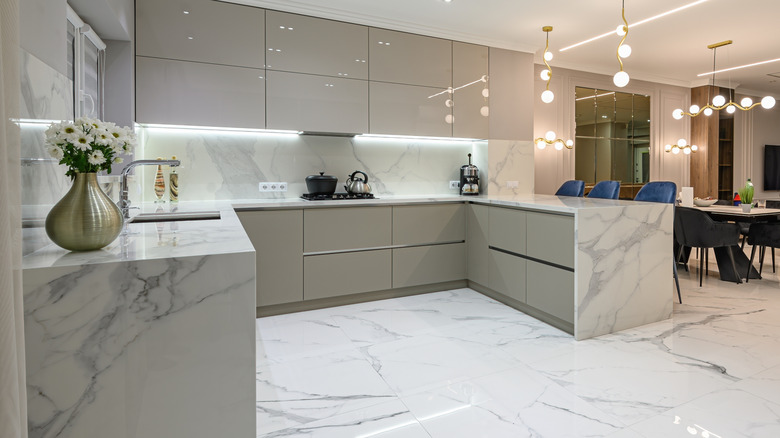
The chemical cleaning agents in Swiffer Wet Mops and Wet Jets are harmful to your gorgeous natural stone floors and can cause abrasions, discoloration, and other permanent damage. If you've already invested in natural stone flooring, then it's more than worth it to also invest in a cleaning solution designed specifically to keep your floors in the best shape possible.
Carpets or rugs
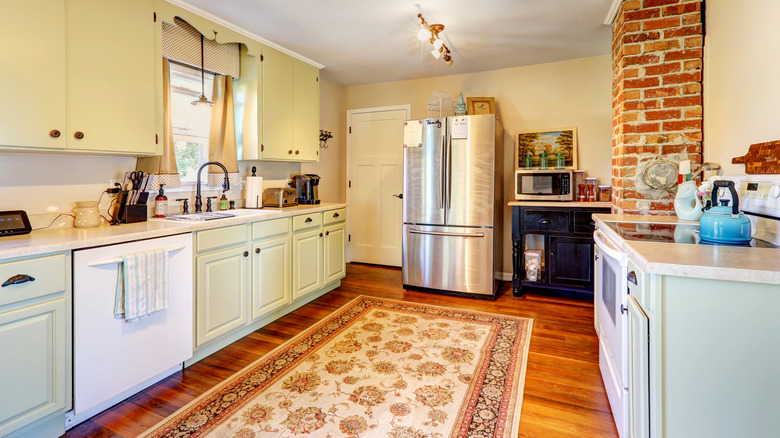
This one is a bit of a no-brainer, but carpets and rugs will obviously not take well to being cleaned by a Swiffer Wet Mop or Swiffer Wet Jet. The proper way to clean carpeting in your kitchen is to simply not. Tear that fuzzy crumb trap up immediately and install the kitchen flooring of your dreams. But, if you have a decorative rug or floor runner in your kitchen, we aren't judging your stylish taste one bit. Just be sure to clean regularly and follow the manufacturer's instructions.
Bamboo flooring

While bamboo flooring is usually more resistant to water compared to other types of wood floor, it still doesn't fare well against a Swiffer. Just like unfinished wood, harsh chemical cleaning agents and excessive moisture can damage bamboo flooring. Instead, clean with a solution made specifically for hardwood and a lightly damp mop and dry the floor immediately after.
Unsealed linoleum or linoleum with damaged or old sealant
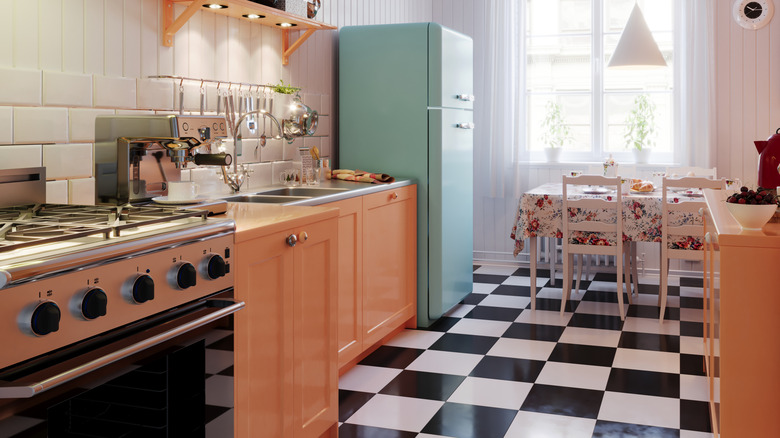
Much like the other kinds of flooring on this list, no sealant or damaged sealant is a key factor in deciding how to clean your kitchen floors. Linoleum — which is similar to laminate and vinyl — is porous and likes to hold onto dirt and other gunk, so a sealant can help remedy that. But, if there is not sealant or a portion of it is old or damaged, the Swiffer cleaning solution can leach in and cause problems.
Wood floors that have been waxed or oiled
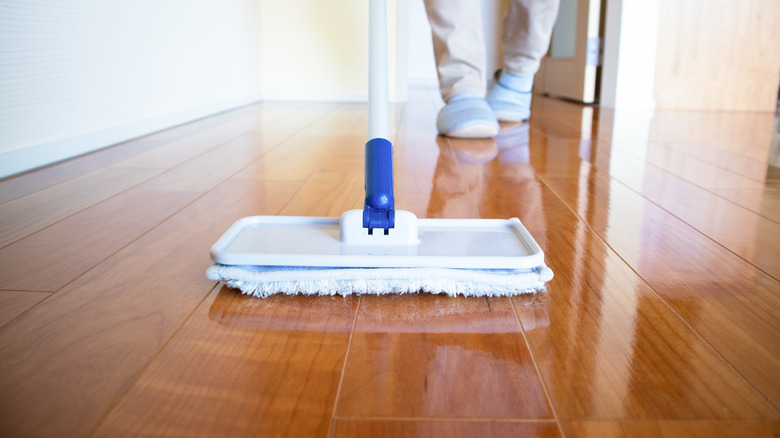
Wax and oil can be a great way to preserve your wood flooring's lustrous shine and rich natural colors. But, if you have waxed or oiled hardwood floors, a Swiffer is one of the worst things you could let touch them. The cleaning solution can strip the intentionally laid oil or wax and damage that protective seal, leaving your floors subject to excess moisture and permanent damage.
Cork floors
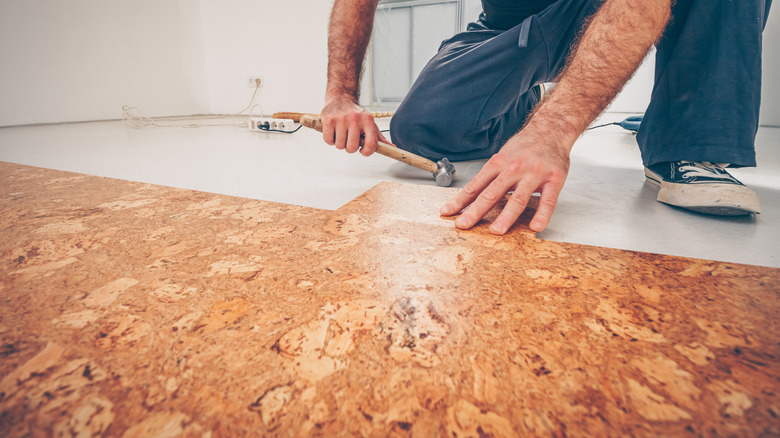
Cork flooring can be a unique and stylish design choice, but it requires some special attention and care. Especially in a high traffic and spill-prone room like the kitchen, it's best to seal your cork floors for an extra layer of protection. The chemicals in Swiffer Wet Mops and Wet Jets can be harsh on this kind of flooring, so a lightly damp cloth and a mild, pH-balanced cleaner is your best bet for maintaining your cork floors.
Unsealed tile
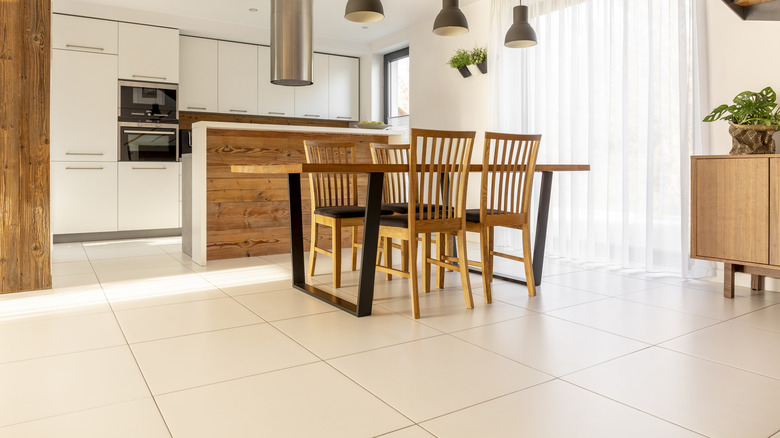
Tile flooring may seem like an ideal option for kitchen flooring, but it's actually the worst choice for avid home cooks. Not only is it tough on your body in a room where you're standing the majority of the time, but it requires special care. Unsealed tile, specifically, should never be cleaned using a Swiffer Wet Mop or Wet Jet. The Swiffer's solution can damage the grout, leave an ugly film, and just generally not get the tile's micro divots and corners clean enough, leaving bacteria and grime behind.
Glass floors

This is by far the most impractical kind of flooring to have in a kitchen, but nonetheless, it exists. Now, would we recommend getting your entire kitchen floor done in glass? Absolutely not. But an accent area or glass walkway in a kitchen that sits on the second floor or above adds some modern style to one of the most used rooms in the home. The Swiffer won't damage the glass, but it could leave unseemly streaks and a layer of film thanks to the surfectants that just isn't desirable at all.