

Why Your Keurig Is A Mold Magnet – And How To Prevent It
We may receive a commission on purchases made from links.
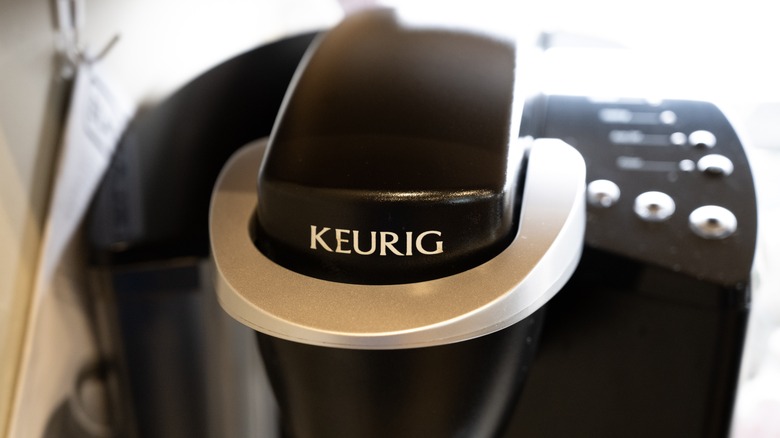
Keurig machines deliver a solid cup of steaming coffee in less than a minute, keeping your morning ritual as simple as possible. But just because Keurigs make coffee convenient doesn't mean they don't need maintenance. When the single-serve device isn't regularly cleaned, you invite mold into its crevices, which may be toxic to consume or negatively affect the flavor of your brew. By avoiding this common Keurig mistake, you not only get the best-tasting product possible, but you can also extend the life of your machine.
Clean your device on a regular schedule to keep the process as straightforward as possible. As a general rule of thumb, you can lightly clean your Keurig every week, and descale the water reservoir and lines every two to three months. You don't need special equipment and can clean your tabletop appliance with soap and water. However, if you do decide to use a cleaner, avoid products that contain alcohol, bleach, or ammonia, as they may leave unsafe residues that could damage your machine.
It's also a good idea to routinely check for mold in hidden crevices, which may creep up as a result of the machine's consistently moist environment. One of the moldiest components of the Keurig is the drip tray, the region under your cup that collects any spilled water or coffee. But mold can develop in any undisturbed or unwashed area of your machine, and is inevitable over time without regular maintenance.
How to clean your Keurig coffee machine
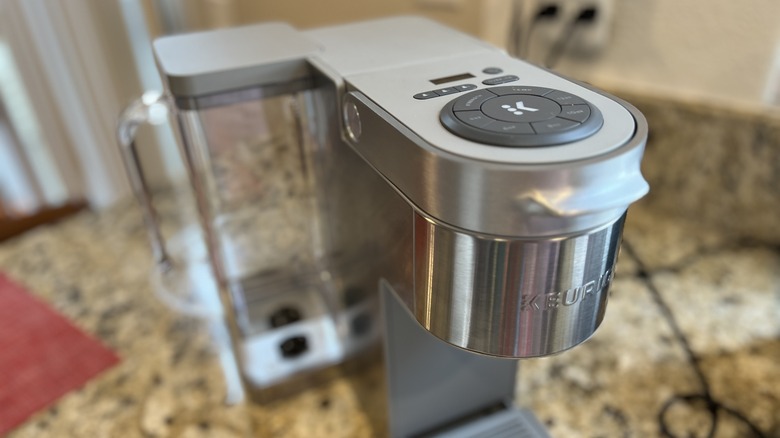
To best clean your machine, it's important to understand its anatomy. You should give the pod holder, water reservoir, water filter cartridge, spill tray, and piercing needle a thorough wash with a non-toxic soap during weekly cleanings. You can also use cleaning pods that fit into the same receptacle as your coffee pods. These targeted cleaners can remove stains and reach areas that may be hard to access. Make sure to dry everything thoroughly before reassembling, since mold loves moist environments.
For a deeper cleaning, make sure to descale your Keurig a few times each year. The process dissolves and removes calcium deposits that build up over time, reducing nooks and crannies where mold can take root. Keurig's official descaling instructions vary by device, but you can buy a bottle of descaling solution, pour it into the reservoir, and turn the machine on so the mixture can work its way through the internal compartments of your coffee maker. Next, run fresh water through your machine to remove any residual solution.
You can descale your device without an official descaling solution by using vinegar, an affordable and natural option that most have on hand. It can loosen and remove lime scale and other mineral deposits within the heating system nearly as effectively as a store-bought variety. Since vinegar has a strong, pungent odor, you may need two to three clean water rinses after the initial vinegar cycle.
Other ways to keep your Keurig coffee machine mold-free
Now that you've cleaned your Keurig machine, it's time to check the device's filter, which can harbor mold and produce a stale taste if not changed every two months (or 60 brewing cycles). Not all Keurig models have filters, but many do. Make sure to purchase a replacement that is the right match to ensure it fits correctly. The filter holder is located within the water reservoir and can be removed by hand for disposal.
In the meantime, soak your new filter in a bowl of clean water for 5–10 minutes, ensuring it's fully submerged to achieve full saturation. Afterwards, rinse the new filter with running water for 60 seconds to discharge any loose charcoal that could affect the flavor and texture of your brew. Now your filter is ready to be placed in the Keurig, and it will click into its holder with a firm amount of pressure.
Cleaning your Keurig does more than keep mold and other microbes away. It ensures a smooth cup of coffee, free from unwanted flavors and deposits caused by hard water. Additionally, a regular cleaning schedule prevents other issues, like slow coffee drips, clogs, and inconsistent temperatures. So, no matter what cleaning method you choose or how frequently you clean your Keurig, it's always a good idea, resulting in a better brewing experience.