

The 2 Other Restaurant Chains That We Didn't Realize Panda Express Owns
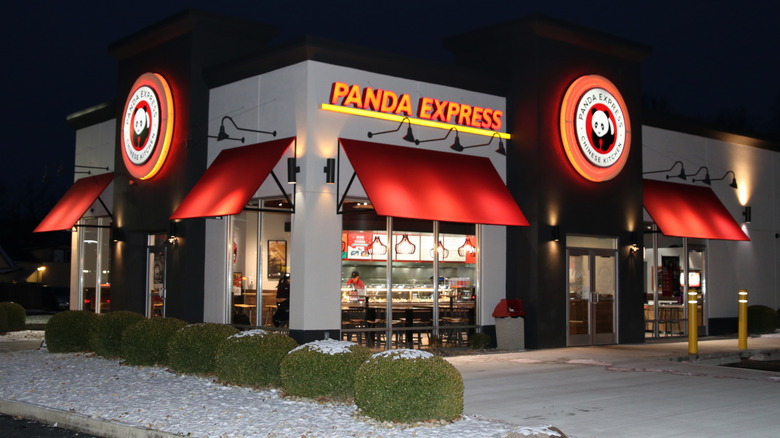
You already know Panda Express for its famous Orange Chicken or that sweet-and-spicy Beijing Beef. Maybe you've grabbed a two-entree plate at the mall, or picked one up at the airport before a flight. Big portions, quick service, and food that fills you up — that's the formula. What you might not know is that Panda Express is just one branch of the larger Panda Restaurant Group. Alongside it are Panda Inn, a full-service sit-down restaurant, and Hibachi-San, a Japanese grill concept found in food courts and campuses.
Panda Inn is where it all began. It's a sit-down restaurant, not counter service, so the menu feels bigger and a little more refined. You can order Orange Chicken or Panda Beef — those crispy steak strips in a tangy orange-peel glaze — as well as Lobster Crispy Noodles, Mango Tea-Smoked Duck Salad, and Steamed Chilean Sea Bass steamed with ginger and scallions. At the Pasadena flagship, which just got a renovation, the menu stretches even further with sushi and sashimi.
Then there's Hibachi-San, which scratches the itch for Japanese flavors in a quick-serve format. Poke bowls make up most of the menu. Cold proteins like sriracha ahi tuna or spicy yuzu salmon share space with hot options like tri-tip beef or even Spam. To wash it down, the chain offers milk teas and fruit teas, many of them with boba.
Getting to know the Panda family
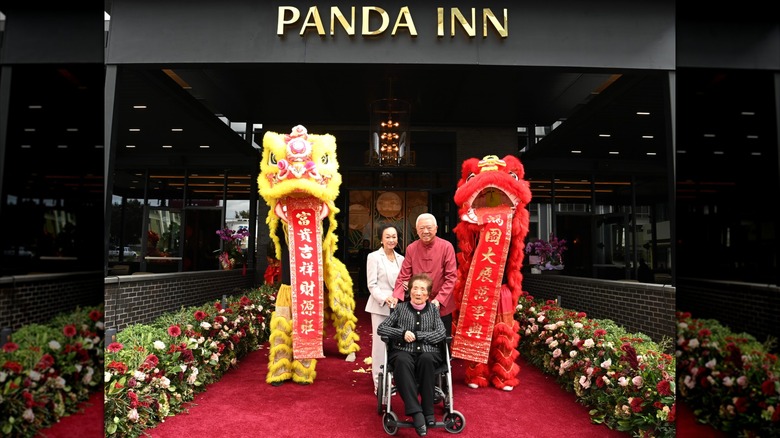
The story goes back to 1973, when Andrew and Peggy Cherng opened the first Panda Inn in Pasadena with Andrew's father, Master Chef Ming-Tsai Cherng. It was a family-run place built around Mandarin and Sichuan dishes. After opening a second location in 1982, a mall developer asked the Cherngs to create a quick-service version for Glendale Galleria. That experiment became Panda Express, which opened in October 1983. By 1985, nine stores were operating, and the brand kept growing from malls into supermarkets and beyond.
In 1992, the Cherngs tried something new again, this time with Hibachi-San in Los Angeles. Andrew Cherng later said it was "a defensive strategy to keep Japanese restaurants from selling against our Chinese food at Panda Express." The chain never reached Panda Express' size, but it gave the group a foothold in malls, campuses, and airports. Meanwhile, Panda Inn stayed close to home, with just a few Southern California locations left today: Glendale, La Palma, Ontario, and the Pasadena flagship.
Panda Restaurant Group has since backed other ventures — Urbane Cafe, Yakiya, Great Panda, and Uncle Tetsu, to name a few. Those add variety, but the real siblings that best capture Panda's roots and growth are still Panda Inn and Hibachi-San.