

What To Know When Substituting Brown Sugar For White Sugar In Baking
We may receive a commission on purchases made from links.
Getting ready to bake some cookies this week, only to discover you're freshly out of brown sugar? Fret not, for I've been there too. More than once, I've opened my pantry while developing recipes for my cookbook, 108 Asian Cookies, and found only white sugar. The good news is that you can usually swap brown sugar with white sugar in baking, as long as you're okay with a few nuances around color, flavor, and texture alterations.
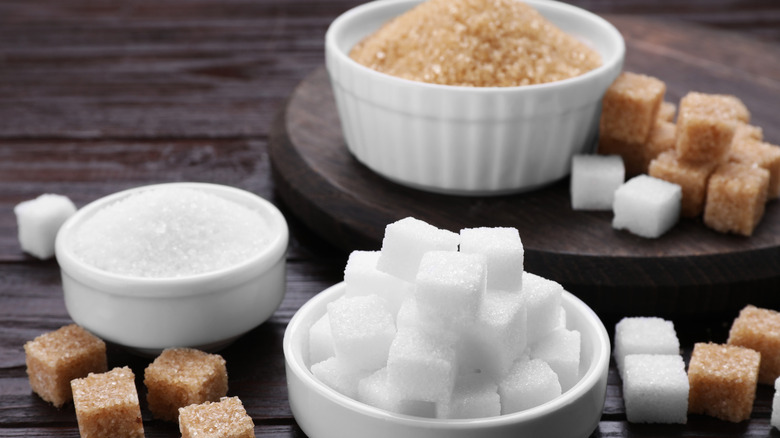
First, you should know the difference between the two sugars. In fact, you may want to brush up on your sugar knowledge because there are over 18 types of sugar out there. Simply speaking, brown sugar is just white sugar that still has its molasses. The more molasses that is present, the darker the brown sugar.
Thanks to the molasses, brown sugar adds extra moisture to cookie dough, often making cookies softer and sometimes chewier. White sugar, on the other hand, tends to yield crisper cookies. If you're fine with this texture alteration, then you can make a simple one-to-one swap, substituting your missing brown sugar with white sugar. If a cookie's texture defines it, like with this traditional snickerdoodles recipe or my spicy ginger chai cookies, then you may want to grab some brown sugar from a supermarket.
When little brown sugar is needed, swapping it is fine
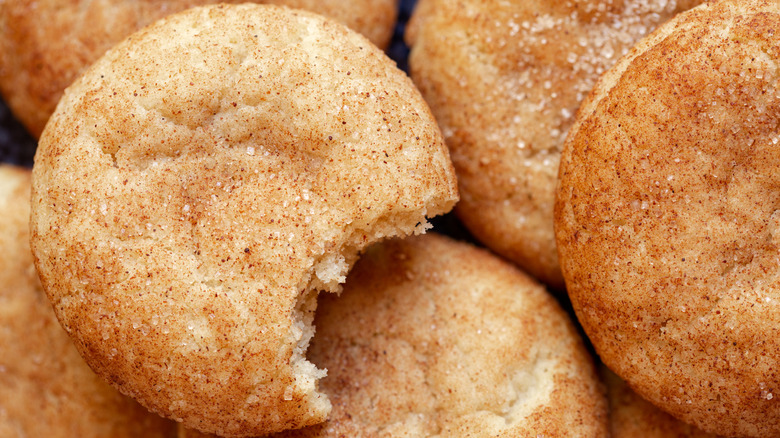
When you bake with brown sugar, note that it also affects the color of your cookies. In fact, it deepens them, thanks to the molasses in brown sugar, giving cookies a richer, tanner hue. If you don't mind your cookies turning out a bit paler, like my miso shortbread or sugar cookies, you can easily swap in white sugar instead.
Beyond texture and color, the type of sugar you use in baking also influences flavor. In my experience as a baker and cookbook author, the difference is usually subtle when you're swapping out a small amount of brown sugar. But when a recipe calls for a generous amount of brown sugar, the flavor difference is substantial when you substitute it. The molasses in brown sugar adds caramel and toffee notes, which dampen sugar's sweetness. As a result, our taste buds often perceive brown sugar as less sweet than white sugar.
So, when a recipe calls for brown sugar, and the texture, flavor, and color of your baked goods don't matter much, swap in white sugar without worry. But if the recipe relies heavily on brown sugar, it's best not to substitute. Your best bet is to borrow brown sugar from a neighbor (I do that all the time), buy a bag from a supermarket, or even make some at home. In fact, making brown sugar at home couldn't be easier.