

What Makes Some Tilapia Non-Certified?
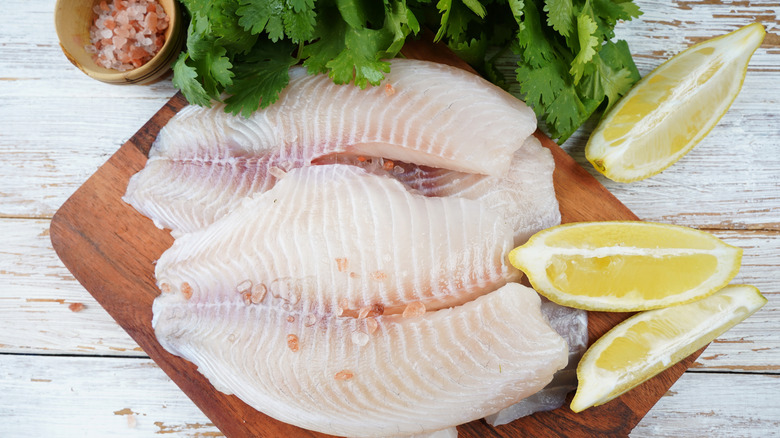
Tilapia is one of the most widely-used fish in the U.S. Its mild flavor, flaky texture, and low cost make it a top choice for restaurants, but the farming practices surrounding it have led to a lot of debate over whether or not it's a "good fish." Most of the tilapia we get in North America is imported, and it usually comes from fish farms. The issue is that these farms are located all around the world, and the standards between them vary.
If tilapia hasn't been certified, it means that it hasn't met the environmental, labor, or disease management standards set by organizations like the Aquaculture Stewardship Council (ASC), Global Seafood Alliance Best Aquaculture Practices (BAP), or Naturland. According to the Monterey Bay Aquarium Seafood Watch program, there are tilapia farms using banned antibiotics in their fish, and there is significant concern surrounding the lack of regulatory enforcement and pollution potential in some areas.
The program works with stores and restaurants to label tilapia and other fish with three different colored ratings: green, orange, and red. Green is the most environmentally responsible and red is the least. The guide helps consumers choose the best sustainable seafood to buy and eat, and it's easy to follow.
Why you should avoid non-certified tilapia
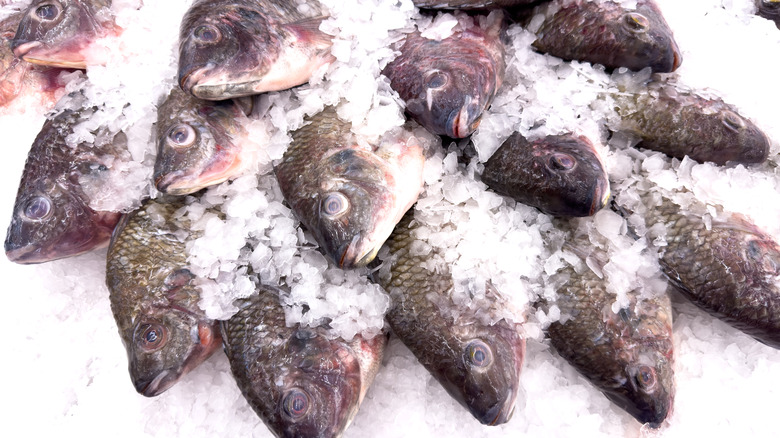
Tilapia from Colombia, Indonesia, or Taiwan have a green rating, while Chinese tilapia are rated red. This is due to a number of factors, including limited information about the impact of habitats there, concerns over chemicals and antibiotics, and evidence of farmed fish escaping and becoming established in the wild, which decimates local species and spread disease.
Unfortunately, China is the world's largest tilapia producer, and the majority of the stock we get in the U.S. comes from there. Mexico is also a large tilapia supplier, but the country has a yellow rating from Seafood Watch, meaning that it's a good alternative if you can't find a green version but it shouldn't be the first option.
You don't need to be scared. Tilapia is completely safe to eat when it's raised the right way, and it's a great choice for many people. Parmesan crusted tilapia is great for fussy kids and baked garlic tilapia is the perfect weeknight meal. It's just important to make sure that the fish you're buying is certified or it's coming from somewhere with responsible farming practices. If you see a label from somewhere like the ASC, that means the fish is from a farm that's trying to limit its environmental impact and adhere to safe labor practices — you can rest assured that the fish has only consumed traceable feed.