

Are Satsuma Mandarin Oranges Really Becoming Harder To Find Each Year?
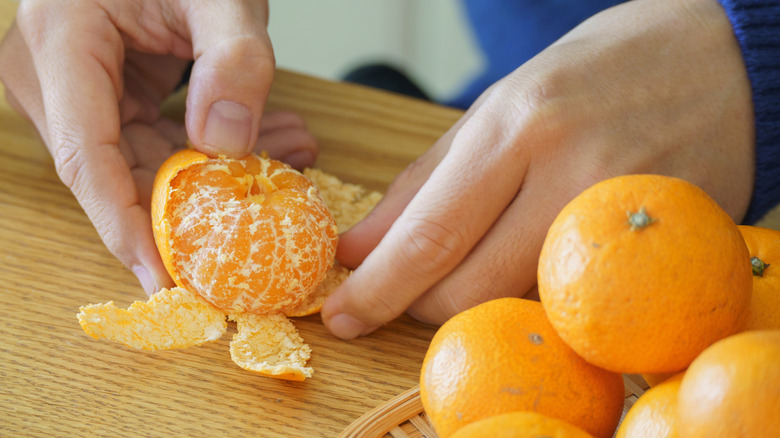
We unconsciously associate different fruits with specific times of year, which tend to correlate with the season when they're ripe. Watermelon in the summer, pumpkins in the fall, and berries in the spring; but some fruits aren't associated with one season over another, like bananas or oranges. There are those friendly, little mandarin oranges and the ever-common navel oranges (one of the most common types of oranges you'll find growing in Florida), but what happened to the satsuma mandarin oranges? Are you imagining it, or are they harder to find this year than they were last?
No, you're not losing your marbles. Satsuma mandarin oranges may be scarcer in some years and plentiful in the next because the trees are alternate bearing, meaning one year might yield thousands of oranges and the next might yield only a few dozen. Satsuma mandarins will produce more fruit as they get older, but American farmers are growing frustrated with the lack of production and beginning to favor other varieties — especially when those other varieties, like hybrid oranges, have a longer shelf life. These oranges also have a limited window for harvesting, hitting peak conditions between November and December. When coupled with the short shelf life, this would explain why you're not finding satsuma mandarins in July and spotting them sporadically in the winter instead.
Satsuma mandarin oranges are a delicate fruit with a sweet history
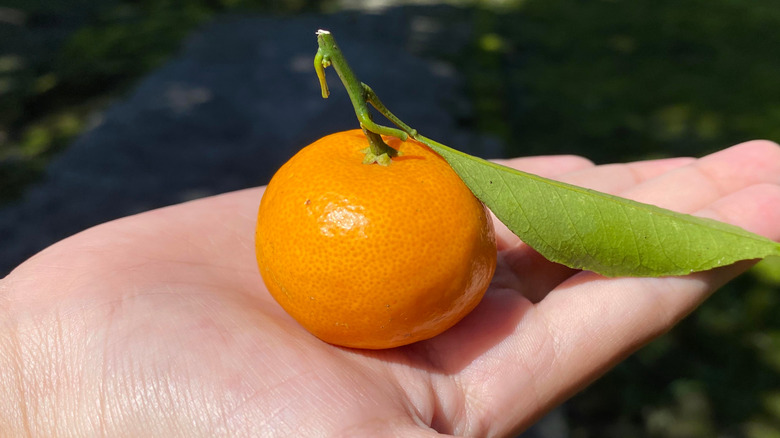
Satsuma mandarin oranges are cold-hardy citruses, but they're still susceptible to extreme temperatures and strictly grown in Southern regions of the U.S. While the fruits are most commonly commercially produced out of California and Florida, satsuma mandarins account for about 85% of Georgia's citrus production, even if those numbers are beginning to drop. An unexpected cold snap at the end of 2022 decimated satsuma mandarin production for 2023, but the following harvest season was so plentiful that farmers didn't know what to do with themselves. Alternatively, the 2025 season isn't looking bright for satsuma mandarin oranges, according to an interview with Citrus Industry, in which a representative from the Georgia Citrus Association revealed that satsuma production is "very limited."
While similar in size to a regular mandarin, satsuma mandarins are lighter in color and sweeter tasting. They're the kind you'll most commonly find as canned mandarins at the grocery store, which extends the shelf life of the vulnerable fruit. Satsuma mandarins are beloved not only for their taste but for their easily peelable skins and seedless flesh, perfect for picnics and lunch boxes (here's the science behind seedless oranges). This particular mandarin was discovered 700 years ago in Japan and introduced to North American soils in 1876, the name a nod to the region where the seeds were taken. There's no telling what the availability of satsuma mandarin oranges will be in the years to come, so it might be best to give them a taste while you can.