

Preserve Jarred Salsa By Freezing It — But Here's What To Know First
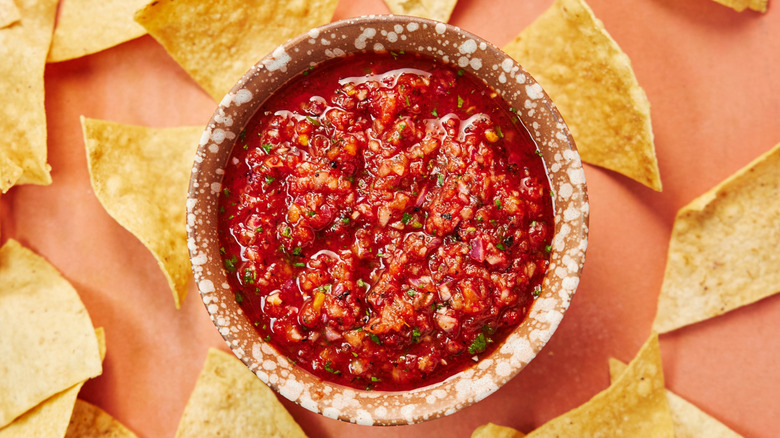
A little salsa goes a long way. You only need a spoonful to transform a plate of smoky tacos or fajitas, and even bigger dishes like burrito bowls may only require a drizzle. If you often find yourself with a lot of leftover salsa that you don't want to waste, try freezing it. The process is easy, and the flavor shouldn't be impacted too much, but there are a few things to keep in mind.
You can freeze store-bought salsa, but the texture might change a little, especially if it's a fresh pico de gallo from the refrigerator section. This is because tomatoes have a high water content, which can seep out as they freeze and thaw. Draining some of the liquid from the salsa before freezing can help avoid a watery mess, as can adding a thickener like Clear Gel or cornstarch. Tomato paste is another great option.
The jarred salsas you find in the non-refrigerated aisles have usually been cooked and canned, which makes them shelf-stable. These are much easier to freeze. All you need to do is transfer them to a freezer-safe container and leave room for it to expand. The glass jar it comes in could crack in the freezer, and the salsa could get damaged in bags, so BPA-free plastic works best. Again, if there is any excess water in the jar, drain it, and repeat after thawing if more water appears.
How long does salsa last in the freezer?
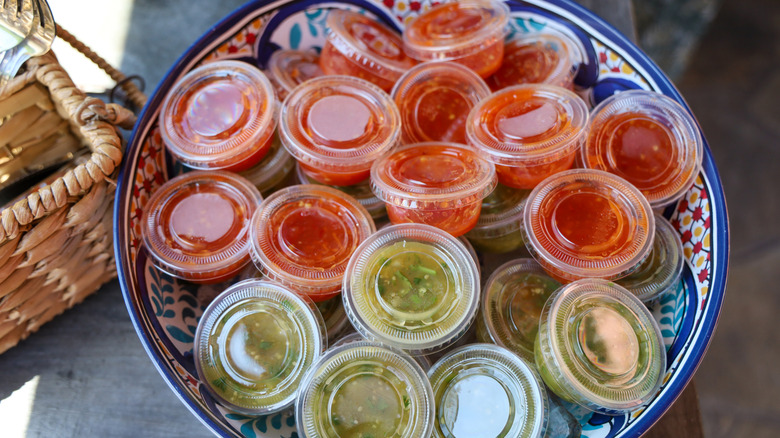
Salsa can be frozen for up to four months, but the flavors will break down over time, so try to use it sooner rather than later. A charred tomato salsa or blended salsa verde will freeze best, while creamy salsas with any sort of dairy are the worst to freeze, as separation can occur. Any vegetables in a chunky salsa, like corn, might lose their crunch in the freezer, so keep that in mind if you're a texture person.
It's also very common for people to freeze big batches of homemade salsa. If you want to try, remove the seeds from the tomatoes and salt them to draw out any moisture. Simmer the salsa to make it as thick as possible, and make sure you cool it completely before freezing to prevent ice crystals. An acid, like vinegar or lime juice, can help with excess water and preserve the flavors of the salsa.
Whether your frozen salsa is jarred or homemade, it's best to thaw it in the refrigerator. Portion it into smaller containers if you only plan on using a little bit at a time. This will not only help avoid waste but also speed up the thawing process. Ice cube trays are great too — just pop out a cube and quickly defrost it whenever you please. And, if the texture isn't how you prefer for dipping, you can always use it for cooking or as an add-on ingredient to your favorite dishes.