

Is All Convenience Food Processed?
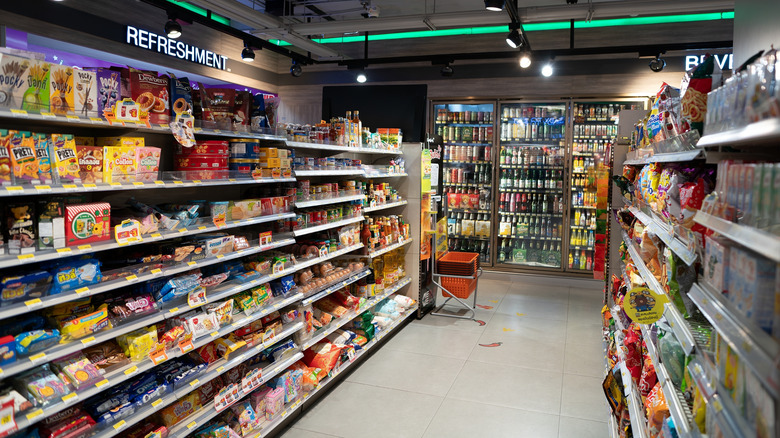
It happens to the best of us — despite your best efforts to prioritize healthy eating and nutritious meals, life gets busy at times, and at the end of a long day, temptation strikes as you walk through the doors of a nearby bodega. Although whole ingredients are best, convenience store food is great for a quick, easy, and affordable meal. Thankfully, you don't have to settle for candy bars and potato chips — if you look carefully, unprocessed food options are available at most major convenience chains too.
The first step is to know the difference between processed and unprocessed food. Processed foods, also known as pre-packaged foods, are altered by chopping, heating, pasteurizing, fermenting, freezing, or dehydrating the ingredients. Processed goods often have preservatives and additives like artificial colors and flavors, which may even be harmful. Unprocessed refers to foods in their fresh, raw form, such as fruit, vegetables, and meat from the grocery store or farmer's market. There's also a third category of minimally processed foods, which includes cuisine that has been slightly modified, such as frozen fruit or pressure-canned beans and vegetables.
It's not always easy to maintain a strictly unprocessed diet. In fact, studies show that up to 70% of the U.S. food supply is "ultra-processed." So why do convenience stores, supermarkets, and gas stations prioritize processed and ultra-processed snacks and meals? Simply put, the alternative is too much work. Stocking fresh meats and produce requires adequate infrastructure, expertise, and market demand that many businesses, especially small grocers, can't provide.
Sleuth out unprocessed convenience foods like a pro
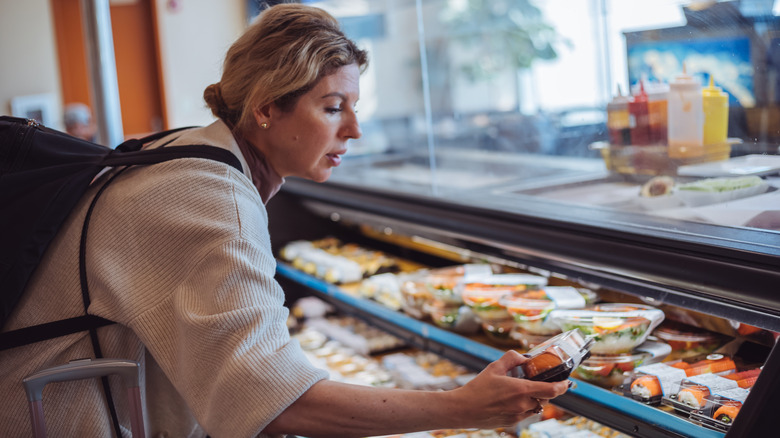
Finding minimally or unprocessed foods at a convenience store may sound unlikely, but it's possible if you look beyond the obvious. If the locale has a refrigerated section, you may find packaged hard-boiled eggs, cheese, fruit, and snackable vegetables. Some believe that pre-sliced fruit is the convenience snack you should probably avoid buying, as it is more susceptible to pathogens when it is cut — however, if you mind the expiration date, it is often a safe choice. Keep in mind that some pre-packaged fruit cups also contain added sugar. While many packaged goods in the aisles are heavily processed, you may find nuts that are raw, or at the very least dry roasted, for a minimally processed and nutritious source of sustenance.
There are a few easy ways to tell whether a food item has been heavily or minimally processed. The first rule of thumb is to check for a label. No label? That usually means that the food is in its most natural state. A long list of additives, preservatives, and ingredients you can't pronounce is often a sign of heavy processing. However, even when it comes to shorter labels, it's important to know what to look for — ingredients like high-fructose corn syrup, sodium nitrites, sulfites, and hydrogenated oils are indicators of processed food.
As for finding minimally-processed food at fast food chains, the options are often limited, but some menu items are healthier than others. Salads are often a safe bet; Panera Bread, Chopt, Cava, and Sweetgreen are some of the top fast food chains with the healthiest salads. Places like Jimmy John's and Subway also serve all the sandwich fixings without the bread, so you can still enjoy convenience without the processed ingredients.