

Why Fall-Off-The-Bone Ribs Are Actually A BBQ Sin, According To A Pitmaster
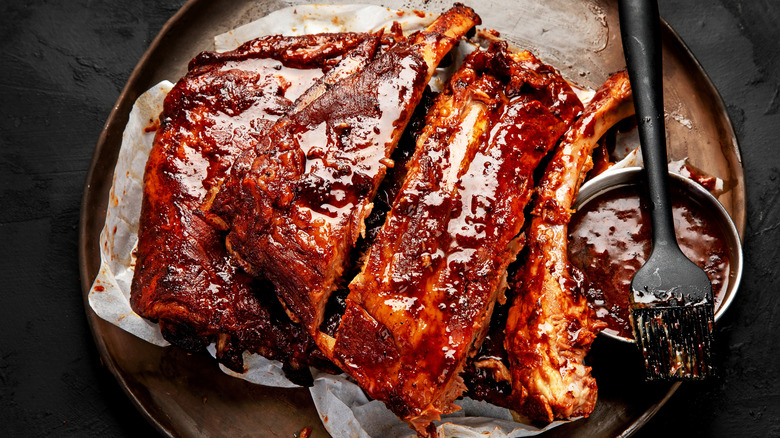
There are as many styles of regional barbecue in the U.S. as there are opinions of which one is the "true" version. No matter how you slice it, the art of barbecue is about striking a delicate balance between time, taste, and texture. Whereas a myriad of barbecue recipes and restaurants tout fall-off-the-bone ribs, Tasting Table asked pitmaster, Burt Bakman, for his expert take on why this is actually considered a barbecue sin.
Bakman certainly knows a thing or two about cooking ribs, considering he is the [pit]mastermind behind Los Angeles' SLAB restaurant and a featured presenter at the upcoming exclusive dining experience All Fired Up: Mastering the Art of BBQ at the Wynn in Las Vegas. "Falling off the bone has long been associated with great ribs, and while the ribs could be very tasty, the craft barbecue folks would argue that falling off the bone simply means it's overcooked," Bakman explains. "Anyone can overcook a rack of ribs, but it takes some practice and skill to pull it out in the right time."
Although it's a fun gimmick for joints to promote such easy-to-eat ribs, Bakman notes that, "the true texture and experience could be missed" with this method. When learning how to cook a perfect rack of barbecued ribs, Bakman advises, "[w]hat you are looking for is a clear bite mark, with the meat remaining on the bone."
More rib tips from pitmaster Burt Bakman
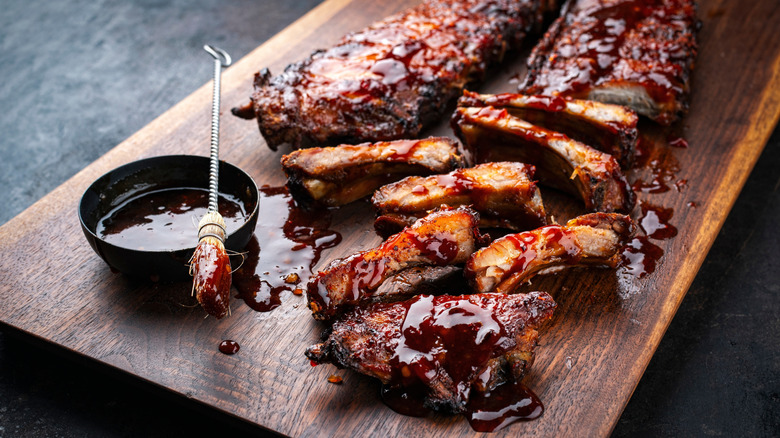
The exterior bark of the ribs needs to be just right, Bakman explains. Each different cooking method — sauced or dry, wrapped in foil or unwrapped — affects the bark. He also admits to varying his cooking methods based on his current location when traveling and drawing inspiration from the techniques of others. "[There's] no particular wrong way," Bakman explains, "[all that] matters [is] your preference and how particular you want to get in making it."
Whether preparing a baked and grilled baby back pork ribs recipe or any of your favorites, he emphasizes the importance of ribs that are not so soft as if made for "babies or those without teeth." Bakman prefers biting into a rib where the meat stays on the bone, allowing him to get his hands dirty while sharing in the communal experience of enjoying ribs with friends.
On the cooking side, Bakman finds achieving optimal consistency to be an enjoyable challenge. He talks about pulling the ribs out "when they are just about ready," around 195 degrees Fahrenheit, and letting the residual heat of the ribs "keep cooking to ideal doneness." Bakman says that the biggest key to mastering this intricate art is practice. "Cook for your friends, for your family, for yourself," he says. "Just keep doing it. It's all a story you tell those eating with you, through the food. Keep those fires lit."