

Here's How Much Of Chipotle's Produce Actually Comes From Local Farms
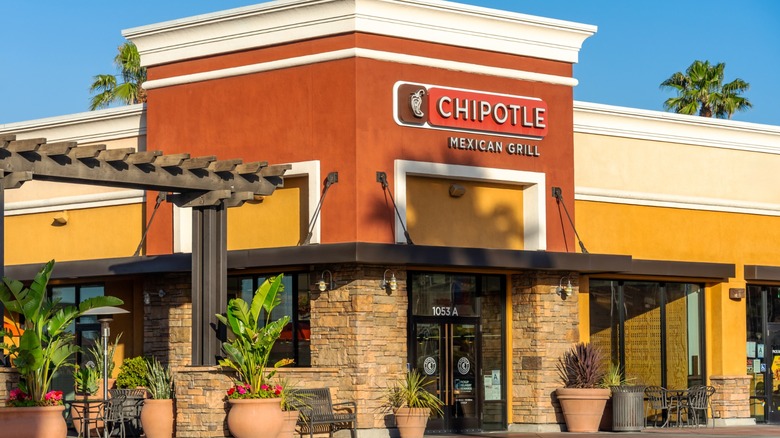
Walk into a Chipotle and the rhythm of the line greets your — scoops of rice, the bright colors of fresh toppings laid out in front of you. The whole experience feels built around choice and speed. What's behind that spread, though, is a sourcing approach that goes deeper than most people realize. But how much of it is actually local?
According to its 2024 sustainability report, the chain purchased 47 million pounds of produce from local farms last year. That number isn't just a flashy statistic — it's tied directly to Chipotle's long-standing Food With Integrity philosophy, which emphasizes fresh ingredients, responsible sourcing, and stronger ties with farming communities. Much of that produce includes staples like avocados, tomatoes, onions, romaine lettuce, lemons and limes, jalapeños, bell peppers, and cilantro — the very ingredients that show up in its tacos, salads, burritos, and salsas.
For Chipotle, this effort is about more than checking a sustainability box. By supporting local farmers, the company reduces its environmental impact of transporting food long distances and strengthens regional food systems. It also reassures customers that their bowl isn't only convenient, but also part of a broader good. It's a tangible sign that one of the country's biggest fast-casual chains is putting its planet-friendly goals into practice in a way that diners can actually taste.
Redefining fast food
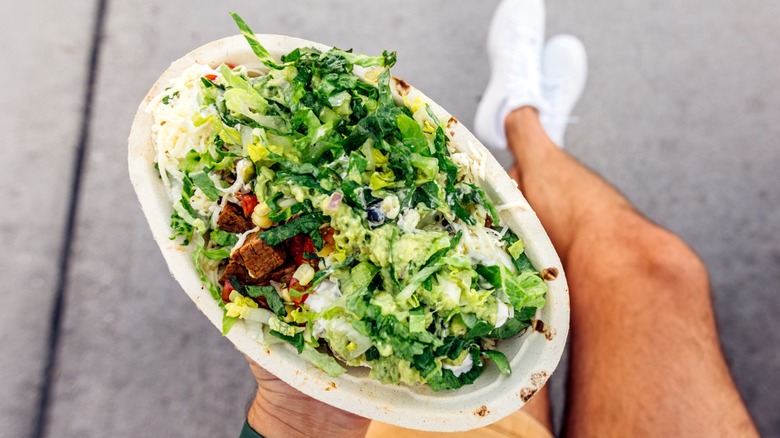
Chipotle isn't alone in spotlighting sourcing — it's part of a bigger shift across the fast-food and fast-casual world. Diners increasingly want transparency and meals that feel thoughtfully made, and several chains are responding. Shake Shack, Panera, Elevation Burger, Sweetgreen, and other emerging brands are all emphasizing clear sourcing practices. These restaurants are helping redefine what customers expect from fast food, showing that convenience doesn't have to mean compromise.
Many brands are rethinking protein sourcing, opting for meat raised without antibiotics or hormones and eggs from cage-free systems. But sustainability in fast food goes beyond what's on the plate. Chains are also investing in waste reduction — from recyclable packaging (like McDonald's new test lids) to composting programs — and setting climate goals that cut emissions across their supply chains. By sharing these initiatives through menus or online, they give diners a clearer picture of how their meals align with their values while also creating a compelling story around the brand.
This push shows how fast food is evolving from an industry once defined by uniformity. Rather than serving identical ingredients shipped from afar, chains are finding ways to offer fresher, more intentional options that resonate with diners. Chipotle's 47 million pounds of local produce may grab headlines, but it's just one example of the momentum this movement has already gained.