

Why You Should Steer Clear Of Ordering Spicy Food At A Business Dinner
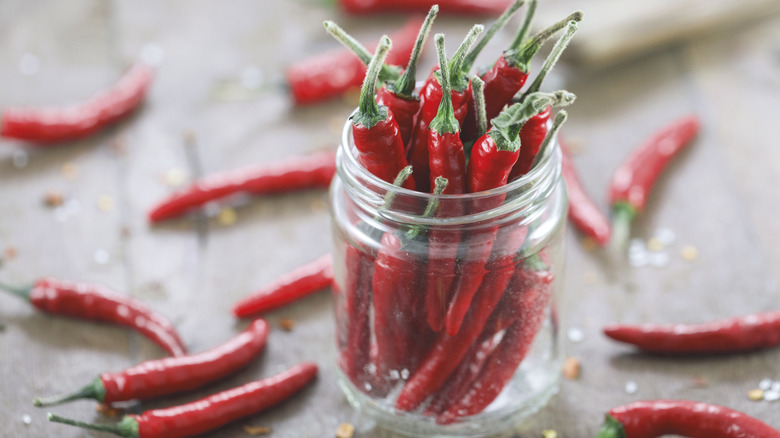
When you're out with clients or colleagues, the last thing you want is your food becoming the center of attention. Spicy dishes, though tempting, can be unpredictable. Even if you typically handle heat well, the interpretation of "medium hot," "hot," or "very hot" isn't universal across restaurants — and a spicy dish at a new spot could leave you struggling to recover. There's also the issue of how some spices linger for minutes on end. A dish that starts out manageable might surprise you by building in intensity, taking your mind away during important discussions.
Watery eyes, an overheated, red face, a runny nose, and the hiccups are all natural reactions to consuming overly spicy food. While none of these reactions are unusual, they do have the potential to interrupt important business conversations and make it difficult to maintain your usual professional composure. When you're focused on cooling your mouth — or stuffing it full of some starchy side to temper the heat – it's impossible to actively participate in the conversation, making spicy foods better avoided.
In a setting where impressions matter, steering clear of any of the 15 etiquette mistakes to avoid at a business lunch or dinner is the safest route. Business dinners aren't about proving your tolerance for heat — they're about building relationships, networking, and getting your ideas heard.
Smarter choices for dining in a professional setting
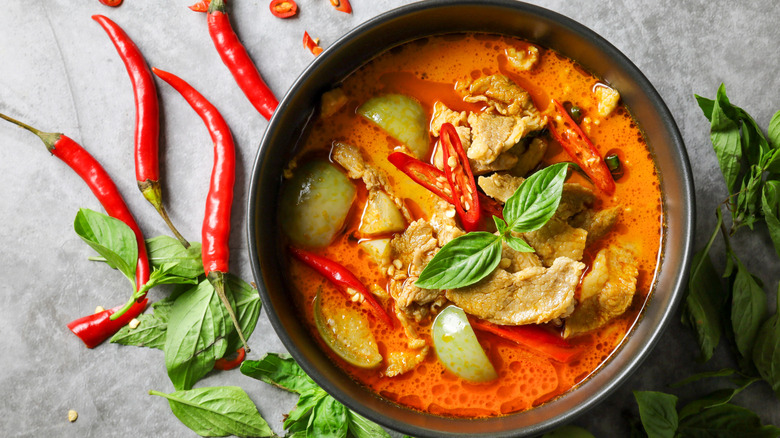
Avoiding spicy food doesn't mean you have to order the most boring thing on the menu. Most menus offer flavorful dishes that won't risk derailing the conversation. Lean toward balanced, familiar options that are satisfying without being overwhelming — a grilled entrée, roasted vegetables, or a classic pasta dish can give you something to enjoy while still letting you stay relaxed and attentive. This puts the meal on autopilot, so you can focus on the people around the table rather than managing an unexpected burst of heat.
Another advantage of opting out of spice is that it shows consideration for the group dynamic. Meals shared in professional settings work best when everyone can relax, stay comfortable, and remain engaged. By making a smart choice, you reduce the risk of unplanned distractions and help keep the dinner flowing smoothly. At the end of the day, you want your clients or colleagues remembering your conversation, your professionalism, and the connections you made — not the fact that your entrée left you red-faced and red-handed.