

The Depressing Record Oklahoma Holds For Fruits And Vegetables
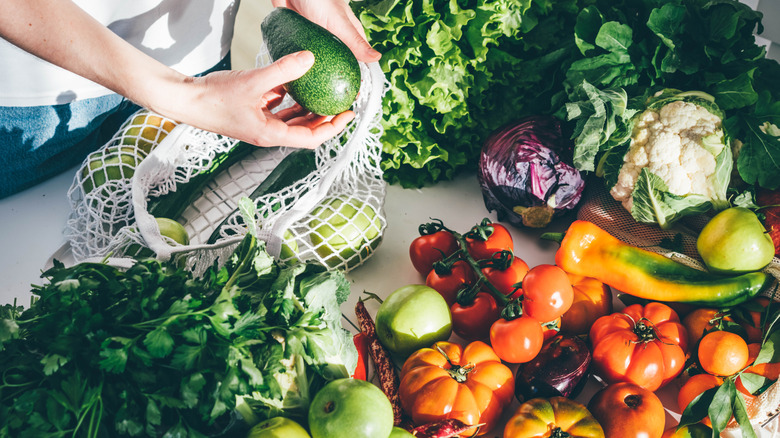
If your idea of a perfect lunch is a nice crisp salad full of leafy greens and crunchy veggies, there's a good chance that you're not from Oklahoma. Unfortunately, the Sooner State ranks dead last when it comes to fruit and vegetable consumption in the U.S. Oklahoma's official state meal is pretty stingy with the fresh greens, after all. The meal, which is really more of a feast, consists of BBQ pork, chicken-fried steak, grits, cornbread, sausage with biscuits and gravy, fried okra, corn, squash, and black-eyed peas. Okay, so there is squash and corn, and the pecan pie dessert might include some strawberries, but that's hardly enough to meet the daily quota.
To maintain a healthy diet, health professionals recommend eating at least two fruits and three vegetables every day, but few Oklahomans follow that guideline. America's Health Rankings reported that only 3.8% of Oklahoma residents consume the recommended amount of daily vegetable servings. Vermont, on the other hand, ranked first, with 12.9% of locals reporting they eat their daily dose of fruits and veggies. For a state prized for its chicken-fried steak and fried catfish, the lack of fresh produce in Oklahoma is no great surprise, but why are all the states' signature dishes so anti-vegetable? The central, landlocked state might be lacking in the veggie department, but it's not for a lack of farmers.
Oklahoma is not short of cattle ranches
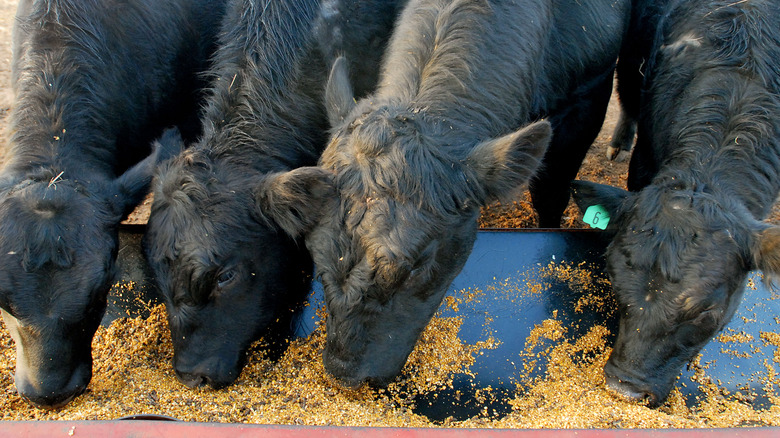
Oklahoma's varied climate and fertile soil are conducive to a variety of crops, but produce has never been a primary focus for farmers in the Great Plains. Wheat, corn, and soybeans have been more abundant in the state's farmlands, with cattle ranches leading the economy, but even those farms struggled from 1950 onward, with the farm population slowly declining. By the late '90s, the majority of the population earned a living elsewhere, and large conglomerates had taken over the industry. The lack of jobs caused further financial hurdles, so residents learned to work with what they had. Comfort food for the community ranges from hearty Oklahoma-style chili to fried onion burgers, and they're proud of their legacy, but the state's health is suffering for it.
Wherever fresh produce is available, the transportation costs can be reflected in the price, making healthy eating a far reach, especially for lower-income families. A huge portion of the state's rural population has been living in food deserts, with no access to healthy foods, even if money wasn't an obstacle. This isn't to shame anyone's eating habits, but to address the barriers preventing Oklahomans from embracing a more produce-rich diet.