

James Beard's 1949 Tips For Smart, Waste-Free Cooking Feel Remarkably Modern
We may receive a commission on purchases made from links.
Open a fridge on a random Wednesday night with no plan, and you know the problem. A heel of bread drying out, some limp or slimy greens, a package of chicken, and no ideas. James Beard had answers for that all the way back in 1949, when he published The Fireside Cook Book, which reads like a modern manual. It teaches two habits that still work now: buy well, use it all, and plan ahead. Beard framed thrift as quality, and his line advising to use "the best ingredients available and waste nothing" is a timeless system for great flavor and few scraps. His push for strategic meal planning interlocks with that idea, because menus made in advance save money, time, and steps, which is exactly how you keep food from dying in the drawer.
The Fireside Cook Book is a big, visual manual, coming in at a honking 1,217 recipes, each anchored by clear basics and variations. At this point, it's over three-quarters of a century old, but it isn't an archaic relic. Beard drops little encouragements that feel current, like menus for "a gloomy day when all the leftovers are gone," i.e., he assumed you'd been cooking through what you had. Alice and Martin Provensen's illustrations are playful but instructional, putting technique within grasp, which is why modern reprints keep them.
Cook once, eat thrice
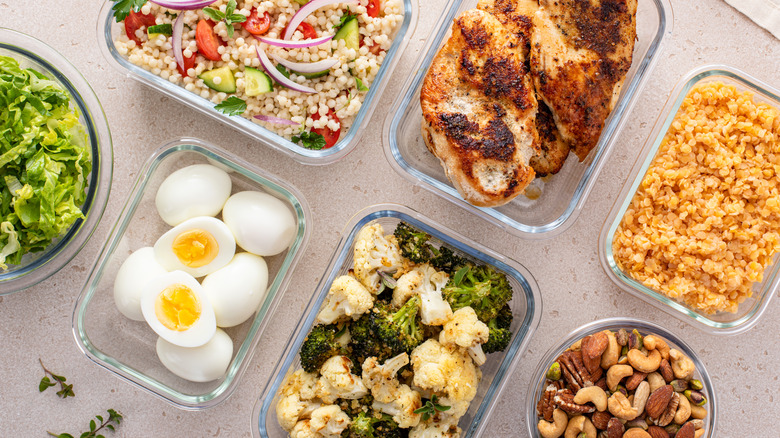
If you want to cook with the kind of common-sense kitchen economy that never ages, start with a plan. Sketch a few meals by choosing a protein and a veg you can re-route across days (e.g., a roast chicken that can be eaten one night, the leftovers turned into salad for the next day, the carcass gets used in stock). His book's structure, core recipe plus variations, is a template for this. He teaches how to make the basic soup, then switches to asparagus, corn, and celery with the same method, depending on what's in the crisper. The Provensens' illustrations map out how to cut and portion meats and fish, and include panels of cooking methods, which makes the 'how' legible before you ever pick up a knife, so a lot of waste gets redirected or headed off at prep.
Always keep a small base pantry that stretches everything, because it's easier to waste less when you have ways to turn one thing into another. Take a small Sunday session to roast the chicken, save the bones for stock, simmer a pot of beans or grains, blanch or roast a green vegetable (asparagus, broccoli), and whisk one dressing to use all week. With those pieces in the fridge, Monday's dinner becomes Tuesday's salad and Wednesday's soup without another grocery run. Beard called that thrift in 1949. Today, it's known as smart meal-prepping, with less waste and fewer decisions.