

The Oldest Trademarked Food In The US Is This Devilish New England Spread
We may receive a commission on purchases made from links.
With a name like deviled ham and a trademark application for "deviled entremets," it's a wonder anyone embraced it — much less elevated it to mainstream status. But that's exactly what happened after this canned meat received a U.S. trademark in 1870, entering the food world as Underwood Deviled Ham. As a testament to its tastiness, the product is still made and sold more than 150 years later, cementing its status as the oldest continual U.S. trademarked food product.
Its now-famous ham spread hails from the William Underwood Company of Boston, founded in 1822. This company started canning deviled ham in 1868, soon adding a memorable devil logo bearing a pitchfork and mischievous grin, officially trademarked on November 29, 1870. Like the product itself, the devil logo still survives today, though the creepy, long, black claws and cloven hoof of the original devil have been reimagined, along with other more congenial tweaks over the years.
In keeping with the Underwood company's earlier history of supplying canned goods to Union soldiers during the Civil War, its newer deviled ham product became a reliable, portable staple food, rising in popularity as a long‑lasting food for various scenarios. But it wasn't just about convenience; the company brought food preservation and accessibility into the mainstream through its canning innovation and techniques. The founder's grandson, William Lyman Underwood, even worked alongside a biologist from MIT to solve issues like exploding canned clams and preventing foods from turning rancid — eventually leading to major breakthroughs in food safety.
Devilishly delicious then and now
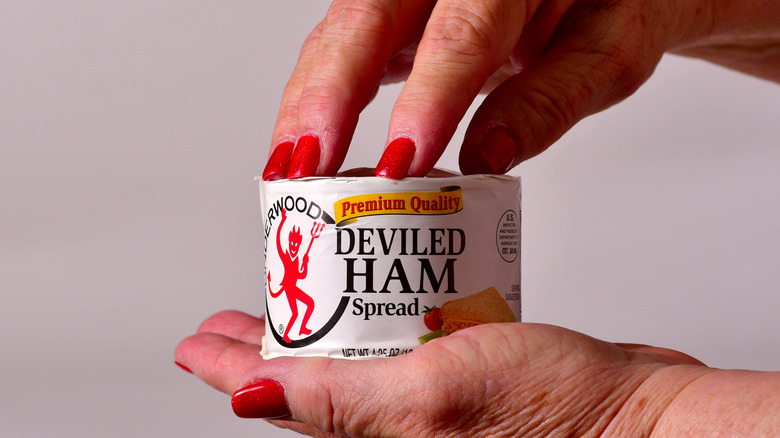
Despite the product's name, deviled ham isn't made from other-worldly, mysterious substances — only common ingredients in a process called "deviling." It was, and remains, simply a culinary term for creating a dish using hot spices. Whether the original recipe or modern handmade versions, it's basically a spicy meat spread created by grinding ham with spicy seasonings. Underwood Deviled Ham, still widely available today, lists its ingredients as cured ham, mustard flour, spices, and turmeric.
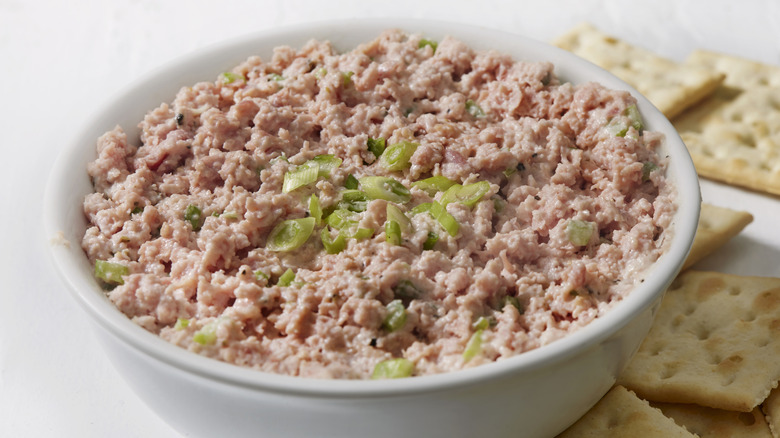
It took a while for hesitant American buyers to embrace the concept of canned foods, but when it took it off, Underwood was front-and-center. Persistent marketing quickly took U.S. sales of deviled ham from hellish to heavenly, carrying taglines such as "branded with the devil but fit for the gods." It started nestling comfortably into countless eating niches, from sandwich fillers to dips and ham salad, then on to staple fare for happy hours, lunchboxes, picnics, tailgate parties, and more.
Several published cookbooks by Underwood have been devoted entirely to devilishly fun cooking, including one from the 1920s titled "The Little Red Devil Recipes" — tagged with "Taste the Taste." It still occasionally crops up for sale on vintage, reseller, or collectible sites. Original cans hold cherished spots in true-to-life preserved structures such as the John F. Kennedy National Historic Site. Meanwhile, the Underwood canned-meat repertoire has expanded considerably, dishing out flavors such as liverwurst, chicken, and a premium-quality corned beef available on Amazon. Though not specified as "deviled," they still bear the same mischievously grinning devil logo.