

15 Luxury Foods And Drinks That Defined The Gilded Age
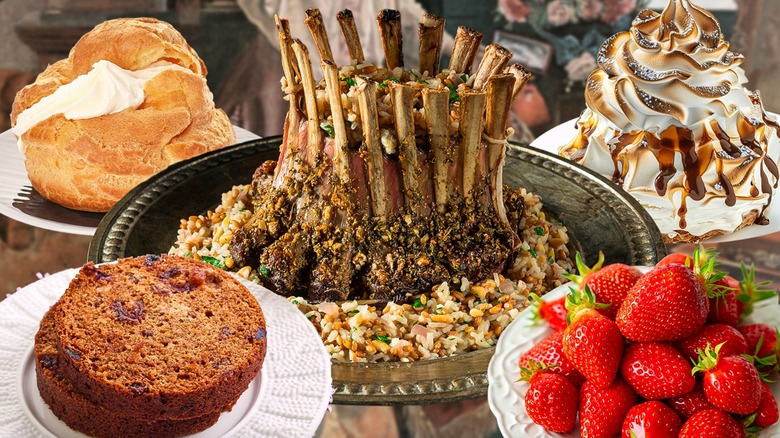
The HBO show "The Gilded Age" is set during one of the country's most extravagant periods, when robber barons were making historic fortunes through industry, and the clash between old and new money was of paramount social concern. The era took place between the end of the Civil War in 1865 and the turn of the 20th century. The rich in America had never been richer, and they sought to subjugate their peers by putting that obscene wealth on full display. This warfare of luxury is shown throughout the show, particularly in the character of new-money social climber Bertha Russell (Carrie Coon).
There are many things "The Gilded Age" gets right about the period, especially when it comes to dining. The etiquette is so elaborate that actor Christine Baranski said she felt like a horse doing dressage. French haute cuisine was all the rage, which is demonstrated by the Russells' choice to have a French chef, Monsieur Baudin (Douglas Sills). The fact that he turns out to be from Wichita and only pretended to be Parisian to get a leg up in the industry is further indication of how prized French cuisine was. But accuracy is all in the details, and here, too, the show is remarkably accurate, right down to specific dishes. From crown roast of lamb to cream puffs, here are some of the dishes in the show that were beloved at the time, as well as some that would not be out of place in future episodes.
Fish House Punch
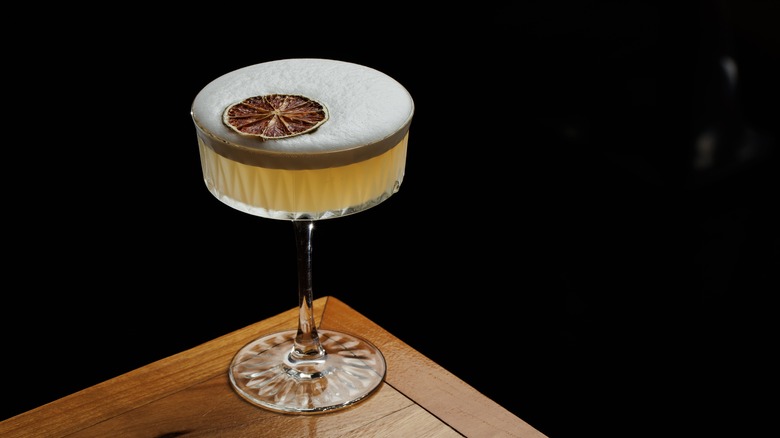
Fine dining necessitates fine drinking, and there is plenty of that on display in "The Gilded Age." This often comes in the form of expensive wines served in delicate cut-glass goblets, but for many people during this period in history, there was a particular type of punch that was also wildly popular.
Fish House Punch was a product of the Schuylkill Fishing Company, also called the State in Schuylkill, which is the oldest continuously operational social club in the U.S. It was founded in Philadelphia in 1732 and became famous for its potent punch, a combination of cognac, rum, peach brandy, lemon juice, sugar, and pure spring water. Some accounts claim that George Washington, who was in town for the Constitutional Convention, was a particular fan of the drink. What is certain is that this dizzyingly alcoholic beverage remained fashionable throughout the Gilded Age.
Terrapin soup

Many of the foods that were considered the height of luxury during the Gilded Age are now commonplace, such as celery and ice cream. However, in some cases, the menus featured items that are no longer available. Turtle soup is one of the most notable examples. Once ubiquitous, it is now almost impossible to eat due to various state laws.
In the mid-19th century, America's appetite for turtle soup went haywire. As "The Gilded Age" illustrates, the upper classes during the 1880s and '90s were obsessed with trends, and when turtle soup became a trend, it was everywhere. It was served at the White House and the nation's most acclaimed restaurant, Delmonico's. It's even mentioned multiple in Edith Wharton's Gilded Age novels "The Age of Innocence" and "The House of Mirth."
The specific central ingredient was the diamondback terrapin, a small turtle found in the waters off Cape Cod all the way down to the Gulf Coast. The craze for this creature was so feverish that it nearly wiped the species out entirely. By the 1910s, they were so scarce that the cost skyrocketed. It was Prohibition that saved them. One of the key ingredients in the soup was sherry, and when that became illegal, the soup lost its luster. Nowadays, states that have terrapin populations have implemented protections to prevent another collapse of the species, and terrapin soup is mostly a relic of the past.
Crown roast of lamb
One of the most memorable scenes early in "The Gilded Age" takes place in the first episode, when Bertha Russell makes her first major attempt at winning over the "old money" aristocrats in New York's high society by inviting them to a grand dinner at her new palatial mansion on Fifth Avenue. She plans everything to a T, including the meal, only to be humiliated when none of the invited guests turn up.
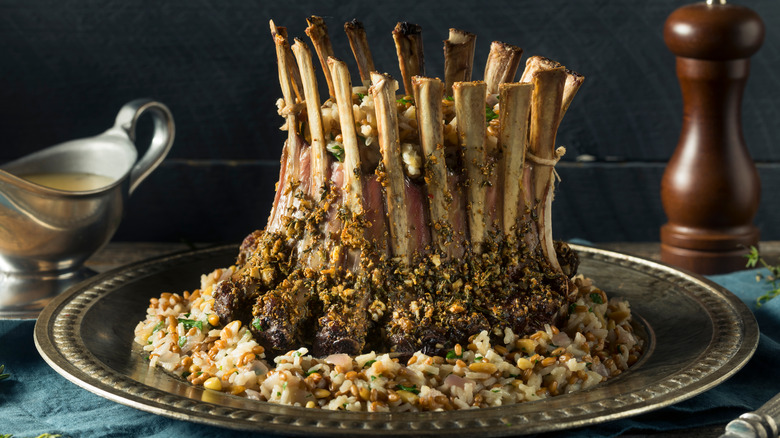
In the hustle and bustle of the kitchen, you might have spied an eye-popping dish that looked like something fit for royalty — not to eat, but to wear. A crown roast of lamb is a centerpiece menu item, a dish that is meant to impress diners (or, in the case of Bertha Russell, put them in their place). It's made by arranging two racks of lamb in a circle to create a crown shape, leaving room in the middle to pile the platter high with decorative, edible embellishments. You'd be hard-pressed to find a more stunning Gilded Age main course, which is no doubt why Bertha chose it as her would-be introductory meal.
Celery
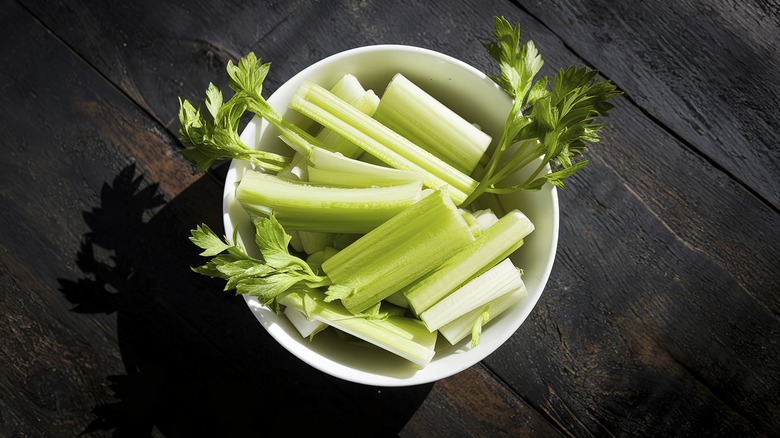
If you've ever struggled to get your kids to enjoy vegetables, chances are, celery wasn't going to be the gateway option that got them hooked. Fibrous, flavorfully minimal (to put it politely), and lacking in the starchiness that makes potatoes so delicious, this green stalk is often relegated to dishes in which it will make as little of an impression as possible. However, in the Gilded Age, when showiness and decadence were all the rage, this humble vegetable was seen as a rare gem of the dinner table.
If you think about it, the fact that celery was so prized is highly illustrative of the emphasis that Gilded Age aristocrats put on wealth and status over substance. The vegetable isn't particularly appetizing, but that didn't matter. The point was that it was hard to grow and, therefore, scarce and expensive. During the Victorian era, English aristocrats had special glassware called celery vases to display this unlikely status symbol in the center of dining tables. By the time it became affordable to eat, Gilded Age chefs were eager to incorporate it into their menus, too.
Creamed spinach
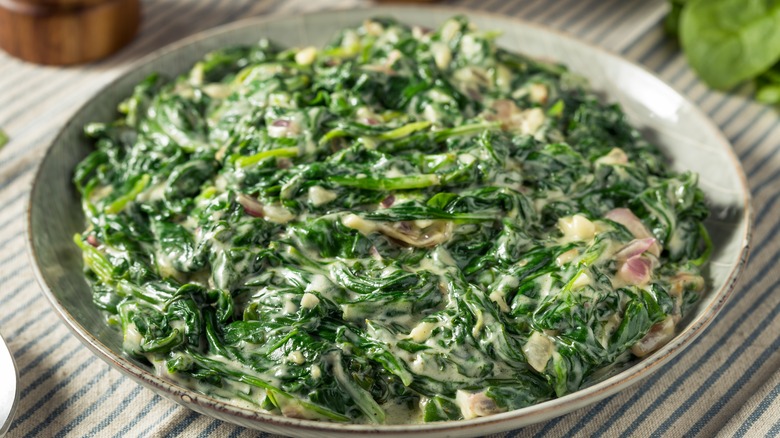
Unlike celery, spinach wasn't considered to be a delicacy or an ornament in its own right, but it was a popular vegetable when paired with enough cream. It was often served alongside meat and game dishes and was a common menu item in railroad dining cars. The Gilded Age was, after all, a time when industrialists were carving up the U.S. with railway lines and amassing enormous wealth. Among them (fictionally, at least) was George Russell, Bertha's loyal husband and a classic robber baron in the mold of John Rockefeller and Cornelius Vanderbilt.
The 1889 culinary treasure trove "The Steward's Handbook and Guide to Party Catering" mentions creamed spinach (or "cream spinach") on multiple occasions, sometimes placing it within a larger vegetable course and other times placing it in the "relevé" course after the fish and before the entree. Spinach was also used to color different desserts, such as ice cream.
Boston brown bread
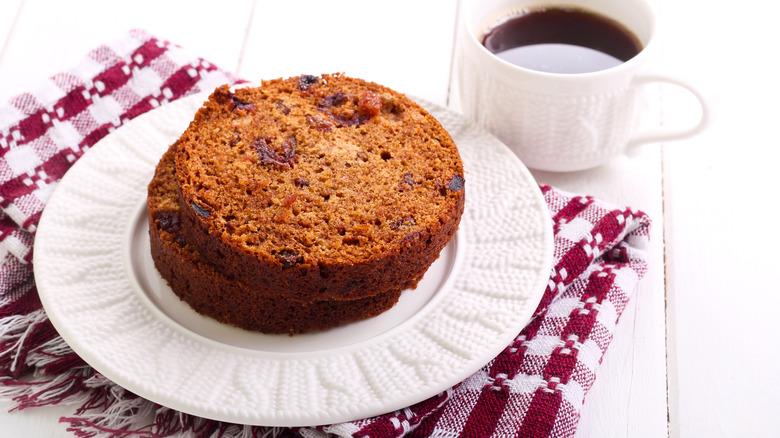
The Gilded Age upper classes made few concessions when it came to projecting their wealth, but there was at least one food item that was more of a nostalgic comfort food than an extravagant centerpiece. Boston brown bread dates all the way back to the Pilgrims, who mainly baked with hearty wheat, corn, and rye flour rather than the much more expensive and difficult to attain refined white flour. The recipe usually called for steaming rather than baking, yielding tender loaves instead of dense, coarse ones. Its color is largely attributed to molasses rather than the flour, an ingredient that also adds sweetness.
Although the snobs of the Gilded Age were obsessed with throwing their money around for all to see, they made an exception with Boston brown bread. It tasted delicious and evoked the country's humble roots, so it was often included at the dinner table and on the menus of fancy restaurants and railroad dining cars.
Strawberries
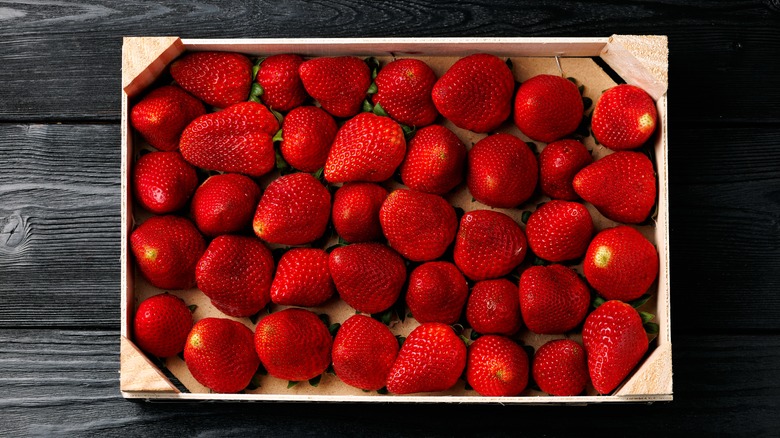
Strawberries are a summer staple, equally well-suited to adorning extravagant desserts as to casual snacking. Given what we know about the ostentatiousness of the Gilded Age elite, you might assume that this commonplace berry would be too humble for them, but back in the late 19th century, strawberries were exactly the sort of luxury these status-hungry socialites craved. Unlike many of the ingredients that were so popular back then, strawberries were a North American rather than European phenomenon. However, they were not widely cultivated in the U.S. until the 19th century, when the new railway network allowed them to be transported far and wide.
During the Gilded Age, strawberries were used in many recipes. Strawberries and cream and strawberry ice cream were particularly popular, but Jessup Whitehead's 1889 "Steward's Handbook and Guide to Party Catering" also mentioned recipes for strawberry cardinal, which was a semi-frozen drink made with the berries, sugar, and wine; strawberry beignets; strawberry shortcake; and a pudding made with rice, orange peel, sugar syrup, and fresh strawberries. The fruit was so popular that 19th-century New Englanders would hold strawberry parties at the beginning of the summer to celebrate the changing season and the berry that represented it.
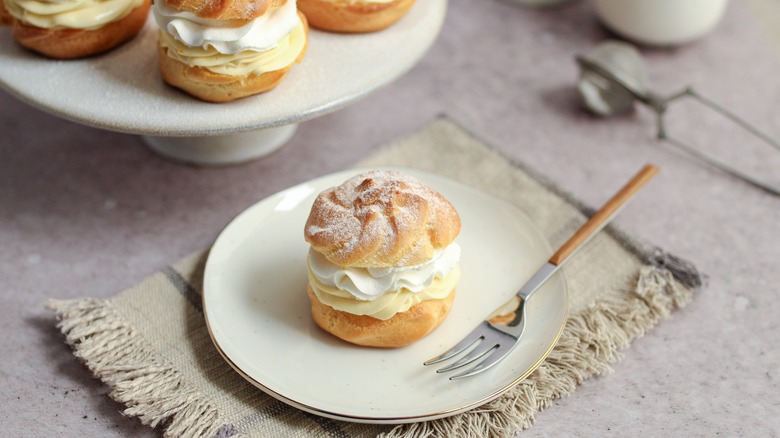
Cream puffs
If you've seen "The Gilded Age," you'll know that aristocrats during this period were almost as enamored of afternoon tea as their counterparts in "Downton Abbey" were. American elites during this period were just as obsessed with British nobility as they were with the French, so tea was as much a status symbol as an opportunity to quell hunger pangs. That said, the word itself could mean several different types of gatherings that varied greatly in formality and spread, from a cozy snack with close friends to a blow-out party with all the rivals you wanted to impress.
These gatherings could present a dizzying array of food options, from finger sandwiches and oysters to tiny cakes, sweets, and cookies. Viewers of the show got a first glimpse of this splendor in the very first episode, when Larry Russell (Harry Richardson) and Oscar van Rhijn (Blake Ritson) meet at a party thrown by the outgoing Mrs. Fish (Ashlie Atkinson). Eagle-eyed viewers might have spotted silver-tiered trays containing small, round confections that look like miniature dinner rolls. Cream puffs, which are made with choux pastry and often filled with cream or custard, were a popular treat during the era, thanks to the French chefs who were hired by so many wealthy families.
Ice cream
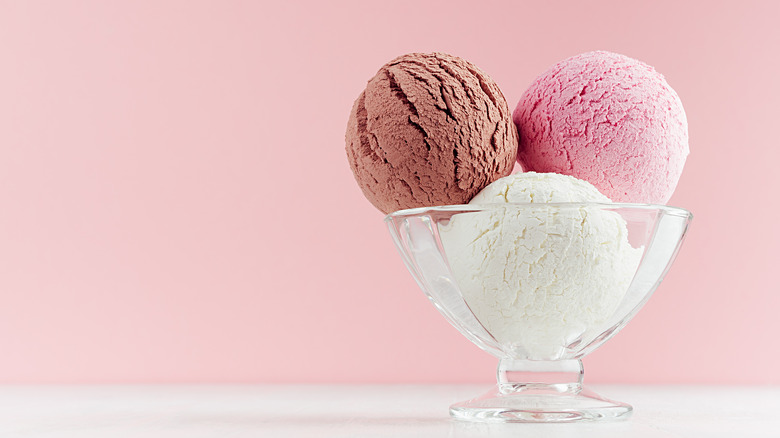
The history of ice cream is surprisingly vast, but it wasn't until more sophisticated freezing options arose during the Industrial Revolution that it became accessible to larger portions of society. There were even ice cream parlors for the first time.
It might not have been as exclusive to the wealthiest in society as it had once been, but ice cream was one of the most popular food items during the Gilded Age. Jessup Whitehead's "Steward's Handbook and Guide to Party Catering" contains a staggering 137 mentions of the frozen dessert. The treat seems to have been so important that, when listing the entire menu at a particular church festival, Whitehead felt the need to include the line, "there was no ice cream."
There is also a wide range of flavors in his book. In addition to the standard vanilla, strawberry, and chocolate, he mentions almond, banana, apricot, tea, ginger, and corn starch, which was made by thickening milk, corn starch, butter, lemon, and sugar.
Bermuda potatoes
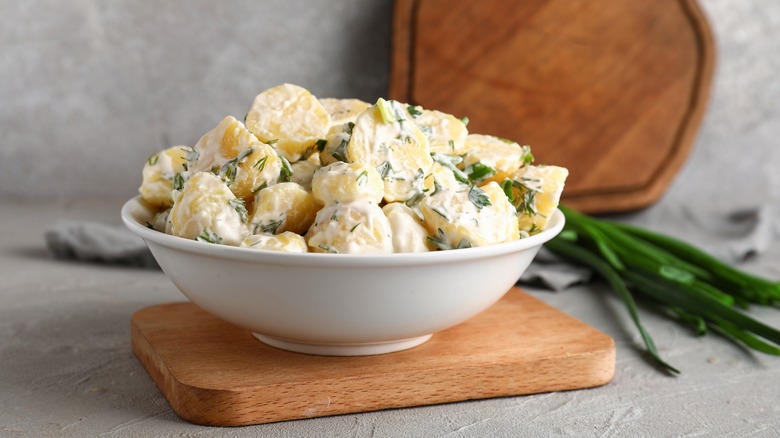
You won't see Bermuda potatoes on many menus these days, probably because we aren't as beholden to seasonality as we once were. During the late 19th century, aristocrats were able to pay a premium for new potatoes during a period when the starchy root vegetable wasn't yet growing in the United States. Bermuda potatoes could land on American tables as early as April, well before stateside crops, which didn't arrive until June.
It wasn't just that they were available, though. Bermuda potatoes were known for their thin skins, small size, and pleasant flavor. Vegetables weren't the only coveted crop that wealthy Americans could score by way of Bermuda. Peaches were also grown there and arrived in the U.S. months before orchards in the South could produce a single fruit. If you had enough money, you could enjoy fresh veggies and fruit in the spring that the rest of the country would have associated with summer.
Macaroni and cheese
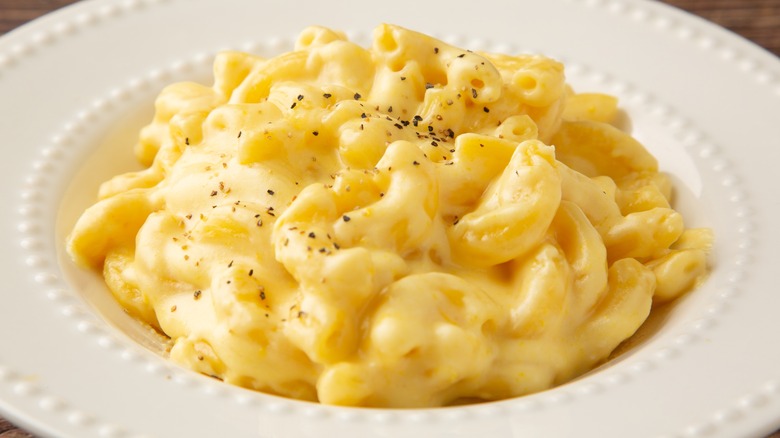
Macaroni and cheese is more of a comfort food nowadays than haute cuisine, but the Gilded Age crowd saw no reason for it to be limited to only one of those distinctions. It was also a bit of a novelty. Thomas Jefferson's enslaved manservant James Hemings trained as a chef in Paris in the late 18th century, where he learned to make macaroni baked with cheese. Jefferson himself is often credited with making the dish popular, and nearly a century later, it remained a favorite of the upper classes. This is particularly evident in the many ways in which it was repurposed to be a dish fit for Gilded Age splendor.
In "The Steward's Handbook and Guide to Party Catering," Jessup Whitehead detailed multiple versions of mac and cheese under impressive names. Macaroni a la Cardinal, for example, was made by layering macaroni, lobster butter, white sauce, and cheese. Fondue a la Napolitaine was made by mixing cheese fondue, butter, and eggs into cooked macaroni. Macaroni itself, without the cheese sauce, was also used as a foundation for oysters, fried kidneys, and a sweet pudding made with raisins.
Baked Alaska
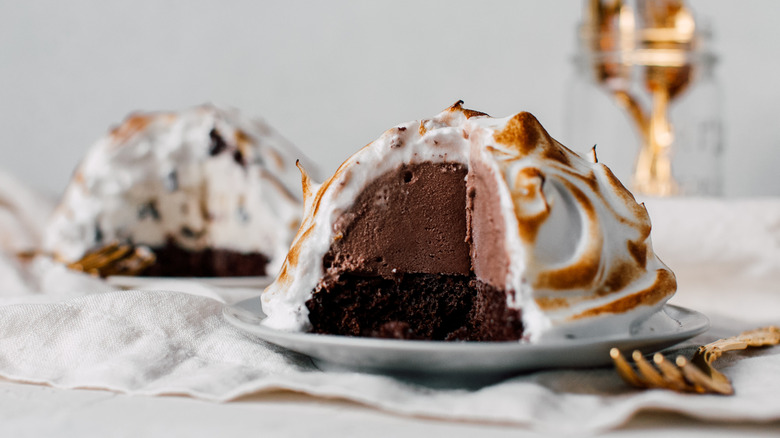
The Gilded Age was all about keeping up with (and outdoing) the Joneses, so it stands to reason that elites were more than eager to jump on trends as quickly as possible. One of the most talked-about events in the late 19th century in America was the country's acquisition of Alaska in 1867. By 1876, Delmonico's, New York's trendsetting restaurant, was serving a dessert called the Alaska Florida, which was an elaborate dessert made of banana and vanilla ice cream sitting atop a base made of Savoy biscuit dough and shrouded in meringue that was baked in an oven briefly to give it a brown tinge.
A decade later, Sarah Tyson Heston Rorer's "Philadelphia Cook Book" presented a recipe for "Alaska Bake," which omitted the biscuit base. Later, similar recipes changed the name to the now-accepted "Baked Alaska." It was a logical dessert for a society that seemed to love ice cream and meringue to no end. Combining them into one, temperature-defying confection was the height of culinary accomplishment.
Jelly roll
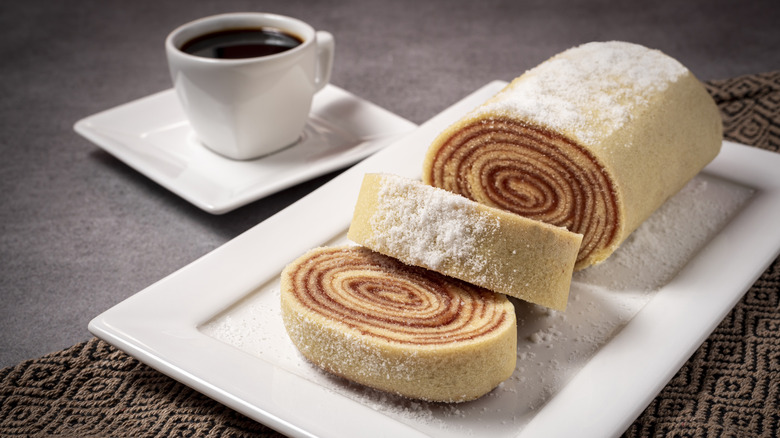
Whether you call it a Swiss roll, a jelly roll, a roulade, or a jelly cake, this beautifully constructed treat is made to impress. Cake-making in America changed forever in the mid-19th century when households switched from baking over open hearths to baking in enclosed stoves. Still, most home cooks stuck to traditional, unadorned, single-layer cakes like pound cakes and fruitcakes. When the Gilded Age came into full swing, however, such modest desserts simply wouldn't do.
Jelly cakes were just one of the many new, French-inspired cakes to grace the most well-heeled dining tables in America in the 1870s. Along with elaborate layer cakes, they signaled opulence and intricacy, and, as anyone who's tried to make one can attest, they also indicated culinary skill. Despite their name, Swiss rolls were not invented in Switzerland. No one is quite certain where they first appeared, though similar recipes could be found in other cuisines around Europe.
Potage puree
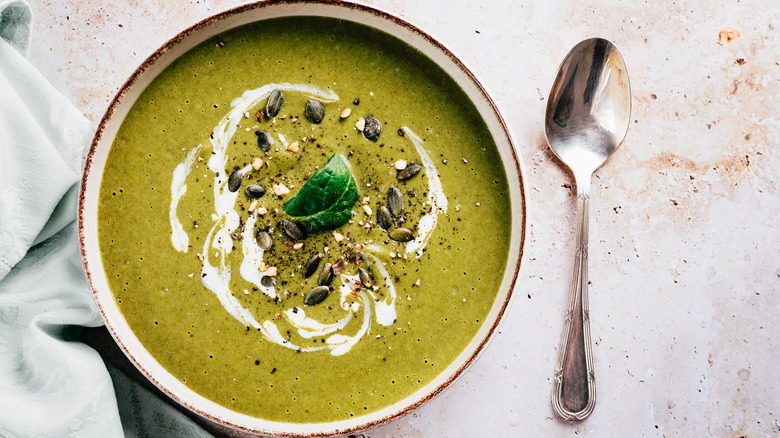
It seems like pretty much every meal on "The Gilded Age" begins with some sort of pureed soup (or "potage puree" to use the French, and, therefore, Gilded Age terminology). It's one of the only things that old money families like the van Rhijns and new money families like the Russells seem to agree on. Served in shallow bowls and eaten by skimming the spoon away from (never toward) you, these soups appear to be the foundation of every dinner, whether it's an intimate affair with family or an extravagant one for a duke.
And speaking of dukes, potage puree appears to have been the type of soup served during a very tense scene in the second season of the show when Bertha Russell throws an ostentatious soiree for the Duke of Buckingham (Ben Lamb). Determined to ruin and humiliate Bertha, Enid Winterton (Kelley Curran) enlists the help of two servants to sabotage the meal. When their first attempt at tainting the sauce is foiled, they try to spill the soup on the Duke's trousers (gasp!), which is also stymied at the last minute. It's pretty thrilling stuff as far as dining room antics go.
Truffles
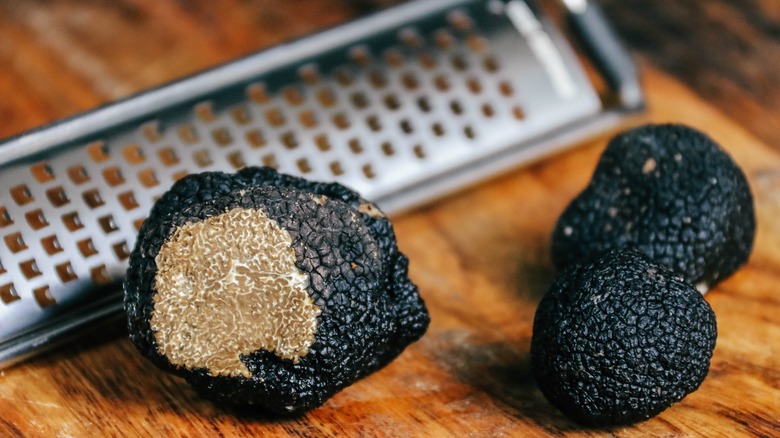
The soup that nearly becomes Bertha Russell's social undoing (which would have been a disastrous turn of events given how hard she worked to be accepted by her peers) was made with Jerusalem artichokes and truffles. This is made evident because the Duke himself compliments her on her choice. These days, truffle seems to be the go-to flavor for chefs across the culinary spectrum. Sure, you'll find shaved black truffle adorning dishes at Michelin-starred restaurants, but you'll also find it as the flavoring in everything from espresso martinis to potato chips. It might seem like a modern craze, but in reality, the Gilded Age folk were far ahead of us.
Truffles became popular in French cooking in the 18th century, around the time when the country was beginning to set the standard for haute cuisine. By the 19th century, the trend had spread to the U.S., thanks to its obsession with France and French cooking. Truffles were and are extremely expensive, allowing a Gilded Age host yet another way to shamelessly flaunt their wealth without having to wave their bank statement around. The fact that Bertha Russell includes it in her menu for the Duke is hardly surprising. It was, to use a modern term, a culinary flex.