

The Poor Man's Drink That Was Born In The UK But Found New Life In The Prohibition-Era US
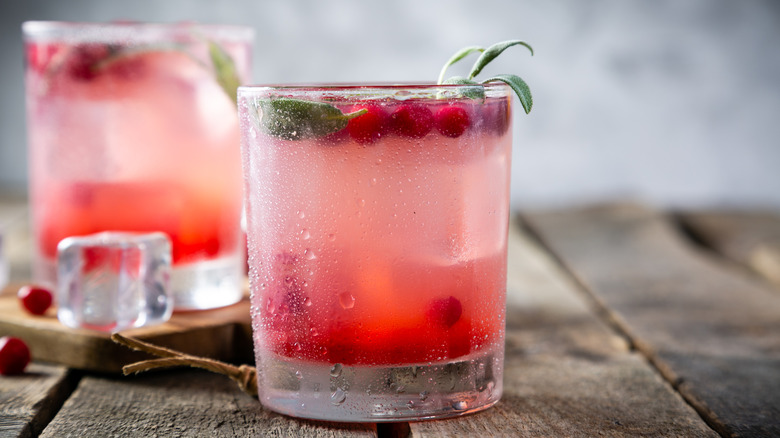
If you've never heard of a drink called a shrub before, you're not alone. This obscure beverage dates back to 15th-century England, when early versions of the elixir were used as medicinal cordials made with sweetened spirits. The name shrub has nothing to do with plants. Rather, it's an adaptation of the Arabic word "sharab," the word for "drink." Two kinds of shrubs were commonly enjoyed in Britain and later in early American history. One version is an alcoholic cocktail made from a fruit cordial. The other, popularized during America's temperance movement, is a vinegar-based fruit drink with no alcohol that gained popularity as a tasty alternative to illegal beverages at the time.
A non-alcoholic shrub is made by steeping fruit and herbs in vinegar. Historically, this technique was employed to preserve fruit before refrigeration was invented. It was soon discovered that the vinegar took on the flavor of the fruit. When mixed with water and sugar, the flavored vinegar became something else — a shrub. Because it was a by-product of fruit preservation, the drink was cheap and easy to come by. In 1747, The Gentleman's Magazine, an 18th-century general periodical in England, even mentioned the drink as a long-lasting way to provide sailors the nutrition they needed to stay healthy.
The balance of flavors in a shrub is what appeals to most drink enthusiasts and what helped it gain popularity during Prohibition in the U.S. A skilled mixologist can experiment with tart vinegar, sweet sugar or syrup, as well as the varied flavor profiles created by steeping fruits and herbs. The results can vary greatly from one batch to the next, offering just as much variety as traditional alcoholic cocktails.
The rise and fall of shrubs
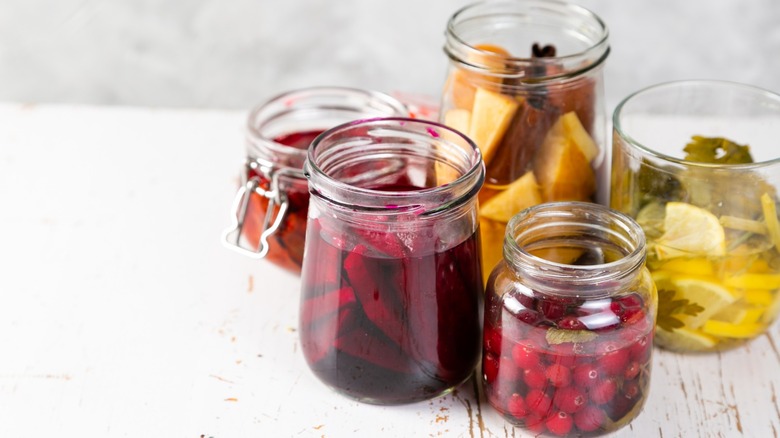
During Prohibition, there was a demand for drinks that could be enjoyed without running afoul of the law. A shrub offered a flavorful alternative to alcohol that still packed a kick, even if it wasn't alcoholic. If you have ever tasted a mouthful of vinegar, you know that it's definitely a hit of flavor. Even tempered by water and sugar, it enlivens the taste buds.
Because vinegar absorbs the flavors of fruit, spices, and herbs in a shrub, the result can be intense and pleasantly complex. This made shrubs the ideal drink for the era. Around the turn of the 20th century, early soft drinks were becoming popular. Hires Root Beer, for example, advertised itself as a temperance drink that "cheers but does not inebriate." Shrubs were also positioned the same way.
As these soft drinks grew in popularity, shrubs' significance began to dwindle. Soon enough, vinegar-based drinks had mostly fallen out of favor. By the time Prohibition ended and alcohol was back on the menu, they were little more than historical relics. Today, cocktail shrubs are making a modest comeback, and they're worth trying if you're a fan of American drink history or bold, unusual flavors. Try making this simple raspberry-thyme shrub to see for yourself.