

When Choosing Between Medium And Large Eggs, It All Depends On The Dish

If you weren't specifically looking for medium eggs at the grocery store, you likely skipped right over them. While less common and often more affordable, these eggs have a surprising purpose that you might not be aware of. We spoke with Nelson Serrano-Bahri, chef and director of innovation at The American Egg Board, to get the real scoop on medium eggs and how they differ from their more common counterpart, large eggs.
"While medium eggs may occasionally be slightly less expensive," Serrano-Bahri says, "large eggs have become the industry standard for recipe development and foodservice usage, making them the most versatile size for consistency and yield."
Some might say that medium eggs are better bang for your buck, the real reason why chefs purchase them is technical and dependent on the dish being prepared. "If you're making something yolk-forward like a custard, crème anglaise, or aioli, and you want a higher yolk-to-white ratio," Serrano-Bahri explains, "medium or even specialty yolk-heavy products might be more efficient." This is especially true if you're looking to add fat to your baked goods without needing structure, as seen in chocolate chip cookies.
Does the size of eggs matter in baking?
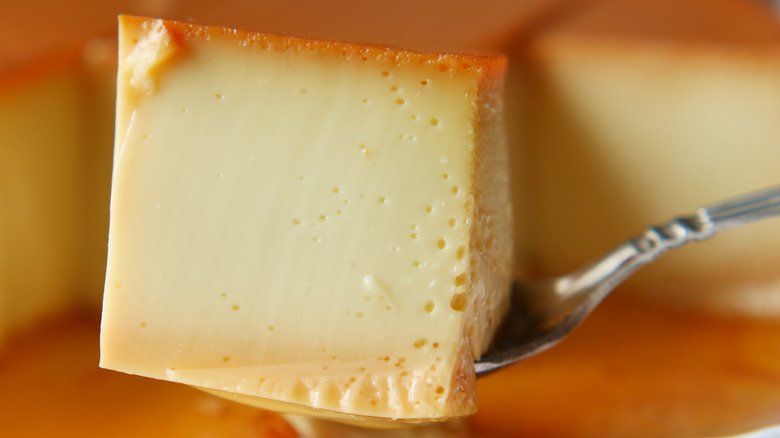
With their incredible versatility, eggs remain one of the greatest culinary wonders. When switching from medium to large eggs, "the yolk size doesn't increase as dramatically as the white," so you end up with a ratio of yolk-white that is more yolk in medium eggs. But, "that slight increase in white [of large eggs] can be a benefit, depending on the application," Serrano-Bahri adds.
Both the white and the yolk have different functionalities when it comes to baking. The fat content in the yolk is not only nutritious, but also emulsifies and provides moisture to your bakes. Oftentimes, recipes call for one whole egg plus one egg yolk; this is to add richness. On the other hand, egg whites are known for their leavening properties through the ability to capture air and provide structure. "For example, if you're whipping meringue, making scrambled eggs, or cooking for volume, the added white of a large egg can improve yield and aeration," Serrano-Bahri explains.
If you're looking for precise results, you might consider using a whole large egg. "When you're baking, scrambling, or frying, the large egg is what most recipes are calibrated for, so you get predictable results every time without the need to adjust measurements or cooking times," Serrano-Bahri says. "Ultimately, it depends on the functionality you're looking for."