

Why People With Lactose Sensitivities Might Have An Easier Time Digesting Goat Milk

The majority of the population is lactose intolerant — some sources, such as Healthline, state that as many as 75% of people have trouble digesting lactose, the sugar found in the milk of mammals. The main path for the lactose intolerant is to avoid consuming milk and milk-derived products, but anecdotal reports have long been saying that goat milk could be a suitable option for those who struggle to digest cow milk. It naturally has a lower lactose content, making it less likely to trigger symptoms of lactose intolerance.
Goat milk isn't entirely lactose-free, so if you're suffering from a severe lactose intolerance, it unfortunately can't be considered a safe alternative. You're much better off going for one of the 19 types of plant milk. But for people with milder (though still uncomfortable) digestive issues caused by cow milk, goat milk's lower lactose content could be the sweet spot. Some have indeed reported being able to digest goat milk without problems, despite struggling with cow milk. Other goat dairy products naturally have even less lactose, so lactose intolerant cheese lovers could potentially indulge in goat cheese. That said, definitive research on the topic is noticeably lacking, and there's no scientific conclusion on the matter yet; all information is purely anecdotal.
Goat milk can benefit your digestive system even if you're not lactose intolerant
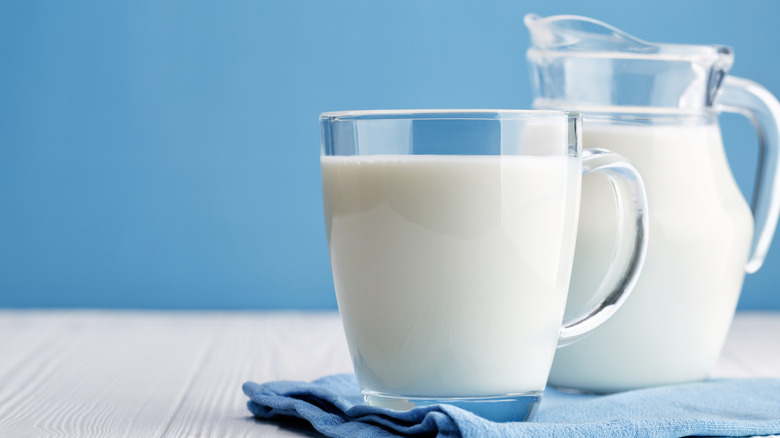
Goat milk has a different composition than cow milk — that's clear just by looking at how goat cheese is so much whiter than cow's. It has more vitamin A, and the balance of milk proteins is similar to the one in human milk, which makes digestion easier. It also has smaller fat particles, allowing it to move through the digestive system significantly faster than cow milk, without causing discomforts like bloating, flatulence, stomach pain, etc.
Beyond being easily digestible, goat milk is high in healthy fats such as CLA (conjugated linoleic acid) and MCT (medium-chain triglycerides). It contains lots of oligosaccharides that promote diverse bacteria in the gut, which translates into a broader health picture, as gut health is directly connected to the functioning of the immune system. Goat dairy products, especially fermented ones, can have anti-inflammatory properties, aiding people who are struggling with pre-existing gastrointestinal issues. But despite all these pros, there is still one con — goat milk is more expensive than cow, so it's not a budget-friendly option for all.