

This Is How Far In Advance You Should Preheat Your Oven For Homemade Pizza
We may receive a commission on purchases made from links.
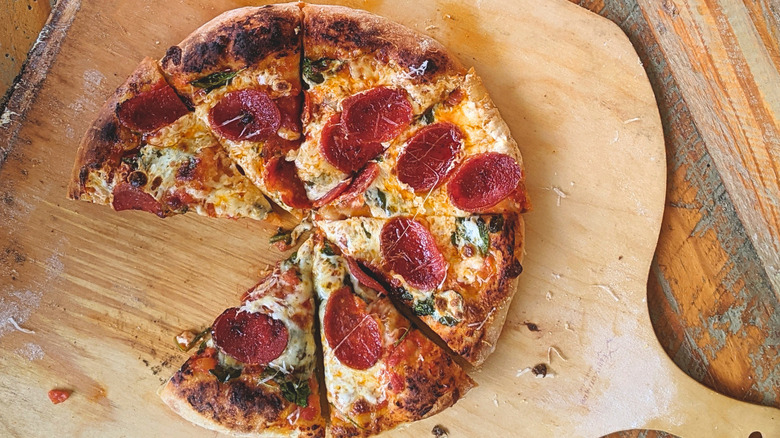
Never let a lukewarm oven sabotage your homemade pizza, friends. There's nothing like that mesmerizing, yeasty smell drifting through your kitchen — along with that crackly crust, bubbling cheese, and unmistakable sizzle. But even with the perfect dough and toppings, one mistake can ruin it all: not preheating your oven for long enough. To get that signature golden bottom and airy texture, you should preheat your oven 30 minutes to an hour in advance, ideally with a pizza stone (It's worth it). That extra time allows both the air and the cooking surface to reach 500 to 550 degrees Fahrenheit, mimicking the environment of a commercial pizza oven more closely than a quick 10-minute preheat ever could.
Commercial ovens used in pizzerias run between 400 and 1000 degrees Fahrenheit and deliver crisp, evenly browned crusts, super-melty cheese, and perfectly toasted toppings in many different styles. That's a delicious feat and has a lot to do with the ovens, like whether it's convection (fans circulating heat) or radiant heat, like rays of sun beaming and burning into the dough. Wood-fired pizza ovens (which will always have an edge over home oven-made pizza) and brick pizza ovens use radiant heat to reach 1000 degrees Fahrenheit and can cook a pizza in just 90 seconds. The result is a leopard-spotted Neapolitan crust that's chewy with char pockets and a tender middle. While your home oven can't quite reach those temps, giving it ample time to preheat is your best shot. And with a few more details dialed in, you'll be making the best homemade pizza in no time.
The best homemade pizzas have these things in common
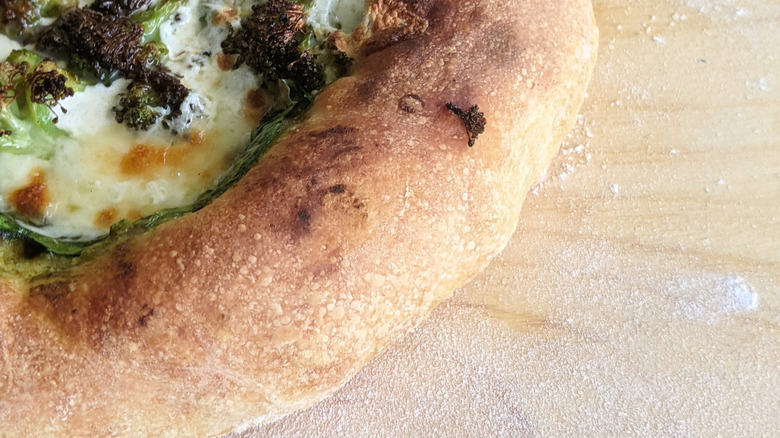
Getting restaurant-quality pizza at home does take more than a hot oven; it's also about timing, technique, and a few smart upgrades. Start with the dough: Use a poolish — the pre-ferement that pizzerias use — and remember that cold fermentation is key. Mix your dough at least a day ahead of time and let it rest in the fridge for 24 to 72 hours. These tips not only boost flavor but also improve texture. Before baking, allow the dough to warm up on the counter for an hour or two so that it stretches more easily.
Cheese matters too. Skip the bagged stuff and use fresh mozzarella or grate mozzarella yourself, because fresher is always better, pizza besties. Blend it with provolone or fontina cheese for an even lovelier melt and depth of flavor. Oh, and parmesan grated over the finished pie is a must. A light, even layer of extra-flavorful pizza sauce should go on first — too much can make it soggy. Chop toppings into similar sizes for even cooking and layer them thoughtfully.
And consider buying two pizza stones if a pizza party is in the works so that you can bake two pizzas at once. We like these 16-inch Old Stone ones because the price is nice. Just be sure to use a pizza peel too. This makes getting your pizza into the oven easy — and you can rotate the pizzas halfway through for even browning — semolina or cornmeal underneath helps prevent sticking. Oh, and invite us over.