

Do Chefs Actually Care If You Order A Steak Well-Done?
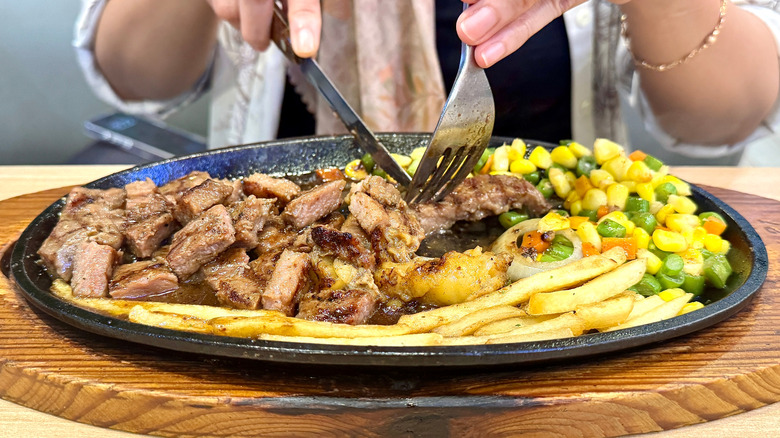
It's a conundrum as old as the steakhouse itself: Does a diner risk offending the restaurant chef when ordering a well-done steak? Some folks embrace both an exterior char and a no-pink interior, while others feel that a well-done steak is akin to a culinary crime. Whether a matter of personal taste or professional pride, the well-done steak continues to evoke strong opinions from kitchens to dining rooms, with servers often taking the brunt on both ends. But do chefs really care how you take your steak?
To settle the matter, we reached out to not just one, but three, professional chefs at highly acclaimed dining establishments: Chef Patrick Ochs, Corporate Executive Chef at Ink Entertainment, Miami; Kevin Tien, Executive Chef and Partner at Moon Rabbit in Washington, D.C.; and Eli Collins, Executive Chef at a.kitchen+bar in D.C. and Philadelphia. Here's what these culinary masters had to say, from overall opinions on well-done steak, to specific cuts of steak, and why a person would prefer and order a well-done steak.
Three chefs speak honestly about well-done steak orders
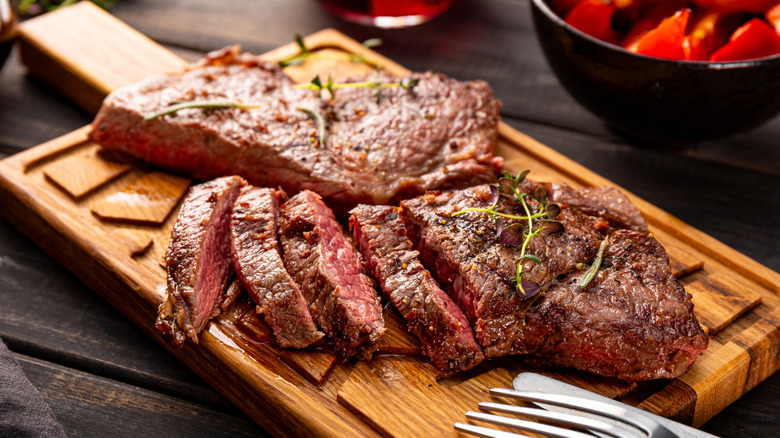
On the over-arching subject of well-done steaks, while accepting that everyone has personal preferences, Chef Ochs offered an honest opinion. "While I personally believe that a well-prepared steak is best enjoyed at medium-rare/medium to preserve its natural flavor, tenderness, and juiciness, I fully respect individual preferences," he explained. "As a chef, my responsibility is to honor the guest's choice and ensure it's executed with the same care and quality as any other order. Ultimately, a satisfied guest is the true measure of success in the kitchen."
Approaching the same subject, Chef Tien admitted that well-done beef is not his preference, at least when talking strictly about steak cuts. "I believe that those who prefer a well-done steak just haven't had the opportunity to enjoy the right cut, from the right farmer, cooked in the best way," he said. For anyone wanting it well done, he extended an invitation: "I would love the opportunity to make for them a perfect mid-rare, cooked in a pan and basted in butter with all the aromatics and crushed garlic."
For a different take on the issue, Chef Collins stated that it doesn't bother him at all. "Someone coming to the restaurant should be able to order however they prefer," he noted. "Our responsibility is to give them that experience." It happens so rarely that it's not an issue, he shared. Plus, it's pretty simple to cook well-done steak, so it's a low lift when training staff.
Do the cuts of steak matter?
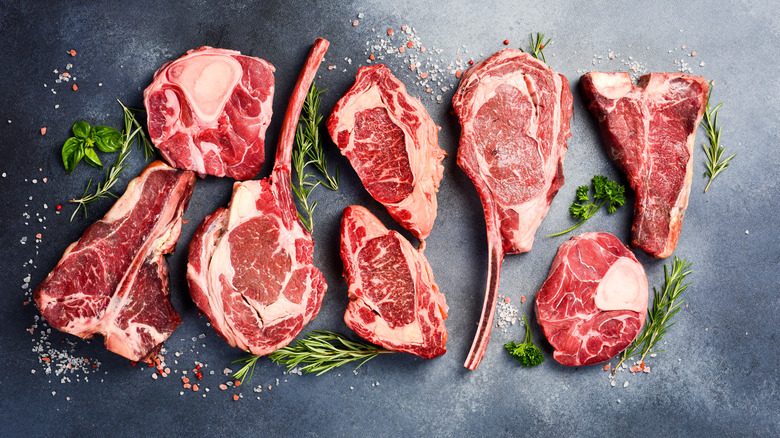
Not all steaks react the same way to cooking procedures. Some cuts of steak have more tolerance for longer cook times, making them more conducive to well-done steaks. In Ochs' opinion, that's especially true with tougher cuts like chuck, round, or flank. They can be more forgiving when cooked well-done, he said, "because they have more connective tissue that breaks down over long cooking, adding flavor and tenderness. By contrast, premium cuts like ribeye or filet mignon lose their moisture and tenderness quickly, making them dry and less enjoyable when overcooked."
Tien noted that other beef options, such as marinated LA Korean-style short ribs, are a lot more forgiving, and they typically come out well done. But he agreed that steak cuts in particular are more nuanced. "Lean cuts like a filet mignon, it'll be like eating leather," he said, but cuts such as ribeye, which have a lot of fat, will be less problematic. "The higher fat content will help keep the meat moist and not dry out."
Collins concurred that most cuts of meat cooked to a high internal temperature end up dry and tough. However, at a.kitchen+bar, they almost exclusively use Bavette steak, which, when well-rested, tends to be more forgiving than other cuts. "Also, some deep muscle cuts, such as flatiron, or Japanese Wagyu, can be cooked well done and still be considered very tender. Both instances have to do with the high fat content and even distribution of fat through the muscle structure," he explained.
Why someone might order well-done steaks

Given the ongoing debate over eating well-done steak, it begs the question: Why do some restaurant patrons prefer well-done steaks and order them that way despite the controversy? When asked to speculate on that, our expert consultant chefs had some thoughts. Ochs offered a broad, inclusive perspective, taking several factors into account. "Many people order steak well-done out of habit, personal taste, pregnancy, cultural reasons or concerns about food safety," he explained, "often stemming from how they were raised or past experiences with undercooked meat." On the other hand, it can simply be that the diner dislikes the texture or appearance of pink or red meat, associating it with being raw or unappetizing.
Tien agreed that background can be a big factor, with many people who like well-done steaks having grown up eating them that way. It could also be a generational thing, he said, "And I believe that it most likely is due to food safety reasons and the quality of beef that was available at the time." Also, it could come down to affordability, where tougher, less-expensive cuts can be made more tender by braising or cooking them for a long time, resulting in well-done beef.
Collins weighed in on the question of why some people prefer well-done steaks: "I would imagine there is either a health concern of eating what may be considered undercooked meat or the diner simply enjoys the texture/flavor profile." He also noted that (Philly) cheesesteaks are cooked well done every time — "Go Birds!"