

Skip The Expensive Brazilian Steakhouse And Make Marcus Samuelsson's Version At Home
We may receive a commission on purchases made from links.
There's something undeniably charming about a Brazilian steakhouse, with its sizzling morsels of roaming beef, bold seasonings, and seemingly endless parade of interesting foods. But enjoying those flavors doesn't always require an expensive night out. In fact, celebrity chef Marcus Samuelsson has created a Brazilian steak version that anyone can prepare in their own home kitchen. In an exclusive interview with Tasting Table, he shares some insights about the Brazilian dish from his new cookbook, along with its accompanying cassava fries, the flavor-packed sauce, and some potential cultural twists for adventurous eaters.
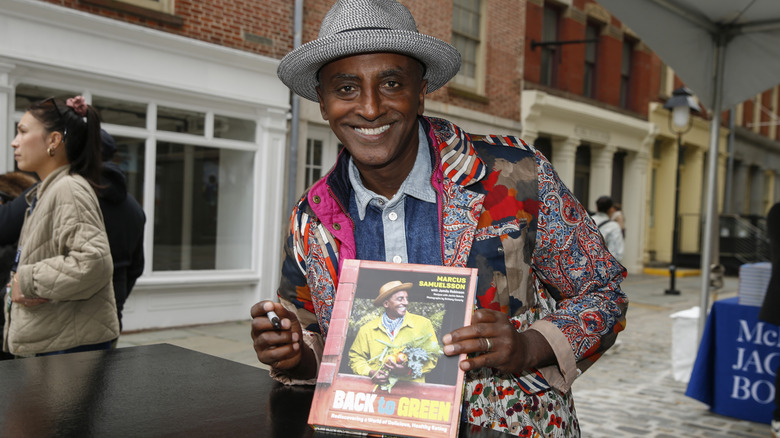
The award-winning, world-famous chef, television personality, and restaurateur is known for blending global culinary traditions with creative cooking techniques, which emerge cohesively in "Back to Green: Rediscovering a World of Delicious, Healthy Eating", released in late October 2026. It explores a plant-forward approach to cooking that doesn't sacrifice flavor or familiar favorites — but the non-plant Brazilian steak is no dichotomy, presenting rather as a compatible counterpart to the ingredients involved.
"So for me, it's about when you want to eat healthy, it has to be delicious, and you have to have joy out of that," he notes. "So those are the three promises. So, for example, this is a plant-forward cookbook, but you can still add a steak and fries." He further explains to us how those principles work together in harmony, and what ingredients and processes play out in the recipe.
Making Marcus Samuelsson's Brazilian steak with cassava fries
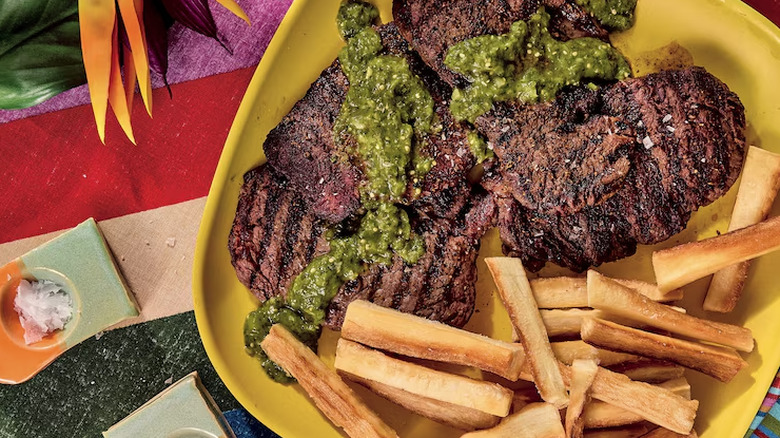
The centerpiece of Marcus Samuelsson's Brazilian steak recipe is the meat, but instead of serving enormous steaks, he uses individual three-ounce portions pounded to about one-fourth-inch thickness. Each steak gets brushed with olive oil, seasoned with crushed coriander seeds, black peppercorns, and salt, then grilled over medium-high heat for roughly two minutes per side. "The steak we're using is filet, and we're pounding it out," he explains, making it a small steak with big flavor, especially when joined by the accompanying side and sauce.
The fries come from cassava, a starchy root vegetable also known as yuca. "You can still have amazing fries, but the fries are much healthier," says Samuelsson, sharing that cassava is also gluten-free. The recipe calls for soaking and boiling the cassava, cutting into fries, freezing briefly, then frying the pieces in avocado oil until golden and crispy. For home cooks unfamiliar with cassava, Samuelsson offered some reassuring advice during our conversation: "If you can cook a potato fry, you can cook the cassava fry, right?"
As far as availability for fresh cassava root, he suggests shopping online, including from Amazon sellers. But frozen works as well if necessary. A vibrant plating-mate green salsa pulls the entire steak and cassava meal together. "And then we're serving it with a sauce that has tons of good ingredients in it, like avocado, like chiles, like lime," he shares. Samuelsson also offers some spicy intel based on his own cultural roots in Ethiopia.
Global traditions, ancient ingredients, and flavor-punching potential
During our ongoing conversation, the ever-enthusiastic Marcus Samuelsson encouraged home cooks to experiment with substitutions rather than completely abandoning familiar cooking habits. "Let's go cook the way you normally cook," he said, noting that's another point about his new cookbook. "Let's swap some ingredients, like make some more delicious, like make some better for you."
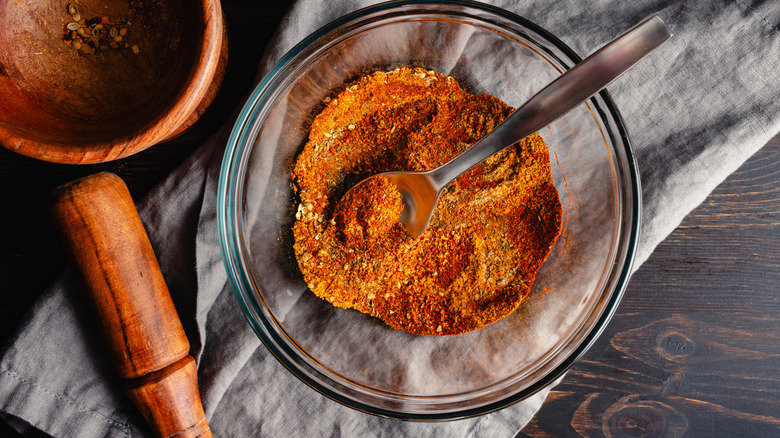
Speaking of switching up some ingredients, and considering the focus of Samuelsson's new cookbook on ancient, "of-the-earth" ingredients from across the globe, I noted his own Ethiopian roots. Based on my own cherished food experiences within Seattle's Ethiopian community, I inquired about the signature Ethiopian berbere seasoning as a potential tasty twist on recipes such as the Brazilian steak and cassava fries. Having created his own berbere spice recipe, he enthusiastically endorsed its potential.
"Well, I would say that berbere you can put on anything. It's one of the best spice blends in the world," shares Samuelsson, pointing out the flavor of smoked paprika. "I would say, use berbere on your fries, use berbere on fish, use berbere on your carrots. It's one of the ingredients you can put on anything, and it will really enhance the meal." That commitment to core, earthy spices falls in line with larger themes in "Back to Green," such as cooking with ancient ingredients, including cassava, the Ethiopian-native teff grain, and many others. As noted in the cookbook's description on Amazon, they "bind communities, and if we look closer, they also offer a path toward healthy living."