

Why Americans Are Favoring Real Sugar Over Corn Syrup In 2026
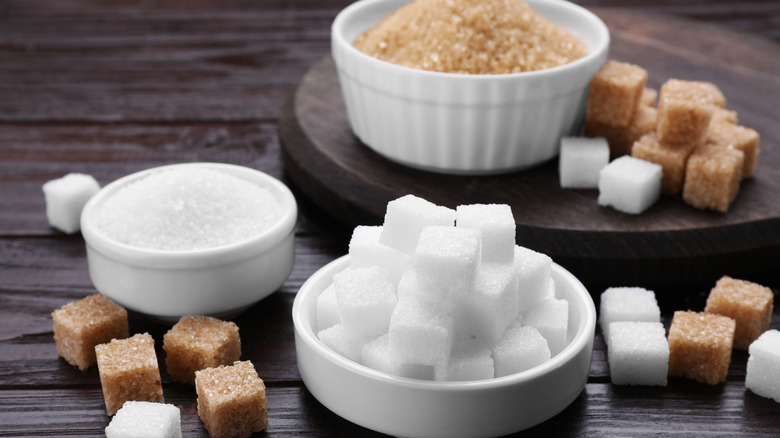
Many Americans have a semi-sweet relationship with sugar by loving the role it plays in desserts and drinks while still worrying about the negative health effects of over-consumption. According to a 2026 report by CoBank, some interesting nuances have emerged in recent buying trends, particularly in regard to "regular" sugar versus high-fructose corn syrup (HFCS).
Americans may indeed be trying to cut back on sugar, but when they do buy sweetened food products, they appear to increasingly favor the old-fashioned stuff. The CoBank report found that demand for cane and beet sugar recently rose 0.6% year over year, reaching 6.079 million tons, while demand for HFCS fell 3.5% during that same time period. CoBank says those numbers point to continued consumer demand for sweeteners they view as natural and less processed.
That isn't to say shoppers are piling bags of white sugar into their grocery carts since the data is tracking sweetener shipments to both grocery stores and food manufacturers. Seeing as HFCS is a less common ingredient in home kitchens, this indicates a shift in the choices manufacturers are making about what goes into their products. The report also shows the trend toward real sugar is holding its ground even as many Americans say they would like to eat less of it.
The CoBank report makes clear its conclusion, saying, "Food manufacturers and consumers continue to favor natural sweeteners over more highly processed alternatives, such as high fructose corn syrup." However, the reasons aren't singular, as several factors are at play.
Perception and changing habits keep real sugar on top
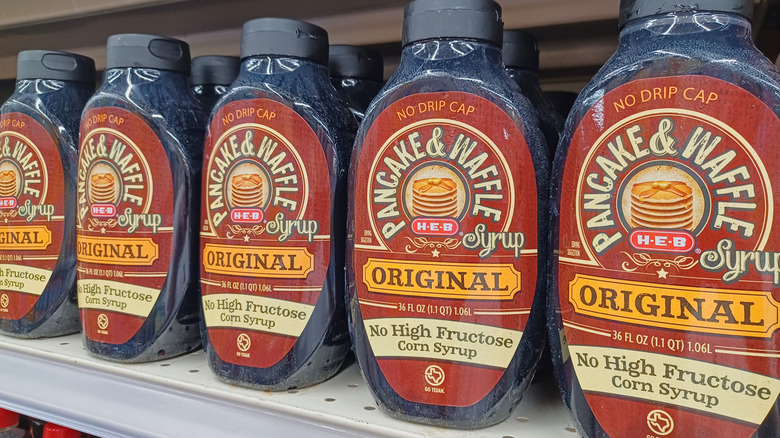
One reason for consumers' preference for real sugar could be familiarity. Sugar and cane sugar are straightforward ingredients, while high-fructose corn syrup sounds artificial. That's in spite of HFCS not being much different nutritionally. The FDA explains that sugar (aka sucrose) comes from sugar cane or beets and consists of a 1:1 ratio of glucose and fructose. The most common forms of HFCS have those same two simple sugars in roughly similar amounts, and the FDA says it is not aware of evidence showing HFCS is less safe to consume than the same amount of sugar.
In other words, choosing cane and similar types of sugar over HFCS may be as much about perception as nutrition. With recent trends away from processed foods and mystery ingredients, shoppers are seeking short lists of ingredients they recognize. Knowing what's in your food is reassuring and gives folks a bit more control over what they put on the dinner table.
It's worth noting that "real sugar" doesn't necessarily equate to "healthy sugar." The American Heart Association says that added sugar is still added sugar whether it comes from cane sugar, honey, corn syrup, or any other source; and that it's wise to limit overall intake. According to a 2025 survey cited in the CoBank report, 75% of consumers are trying to either limit or avoid sugar altogether. But when they do eat sugar, Americans clearly want it to be the real thing. For more info, check out our look at real sugar versus corn syrup and the real difference between corn syrup and high-fructose corn syrup.