

Where Is The Most Expensive Grocery Store In The World?
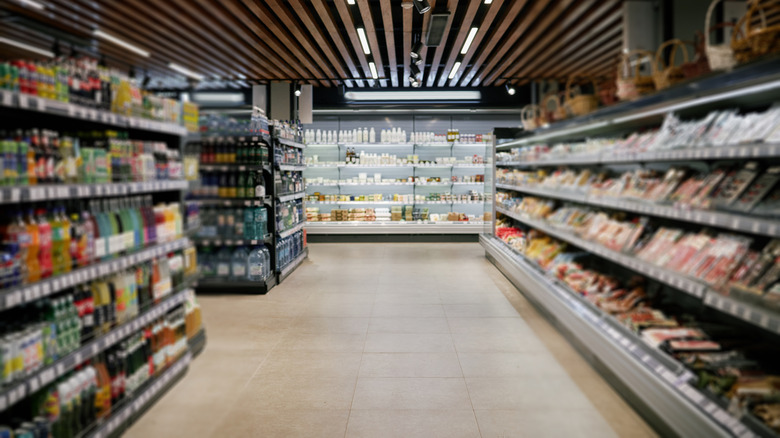
Located in the legendary Knightsbridge department store, Harrods Food Halls in London easily secures the title of world's most expensive grocery store. While many specialty food shops offer imported cheeses or artisanal chocolates, Harrods elevates everyday food shopping into an experience suited to royalty. Prices here eclipse the most luxurious supermarkets, and after just one visit, it's clear why: Harrods Food Halls are equal parts dining, retail, and spectacle.
Harrods' roots stretch back to 1834, when Charles Henry Harrod opened a modest East End shop selling tea, coffee, and spices. By 1880, under his son's direction, it had moved to Knightsbridge and expanded into medicine, stationery, and fresh produce. But it wasn't until the first food hall opened in 1903, selling fresh meat and fish, that Harrods really began redefining what grocery shopping could look like. Yorkshire ceramicist William Neatby transformed a simple marketplace into a sensation, using elaborately glazed tiles and a glass roof to celebrate every corner of the space. And over the next century, that spirit of grandeur only deepened as it expanded into the icon we know today.
Modern shoppers might be tempted to compare Harrods to high-priced grocery chains like Erewhon, since it is one of the most expensive grocery stores in the U.S. But while the Los Angeles staple is known for celebrity smoothies and premium wellness products, Harrods is both larger and more theatrical. What truly sets Harrods Food Halls apart, however, is the staggering range of premium products on offer.
Inside Harrods Food Halls today
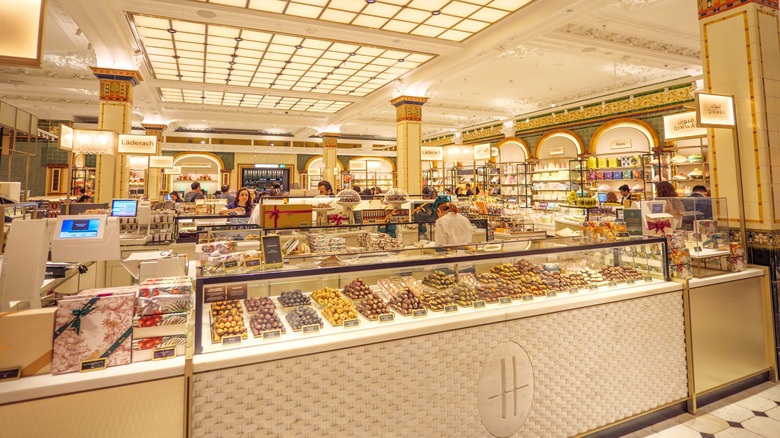
Today, Harrods' reputation is well earned. With its marble floors and gilded ceilings, stepping inside feels like slipping on silk. The staff are incredibly friendly and everything is high-end. It's even landed on a list of London restaurants for diners seeking stunning ambience. And in London, that's quite a feat.
Of course, against such a backdrop, high prices are inevitable. Six mince pies will set you back £12 ($15.99) at Harrods, compared to £2 ($2.66) at Waitrose, a supermarket known for higher-end products. But it's the fresh produce where the prices really become eye-watering. You'll find everything from a £75 ($99.94) bunch of grapes to cherries selling for £175 ($233.20) per kilo. Perhaps the most photographed item is the £150 ($199.85) melon, displayed on red cloth atop a gold box.
The prepared food counters rival many luxury restaurants, and perhaps the most viral of them is the rotisserie section. Options here include golden chicken with roasted potatoes, vegetables, and truffle mac and cheese. A typical takeaway box costs £14 ($18.66), but the portion size is more than worth the splurge — especially for the Christmas lunch, complete with stuffing and pigs in a blanket.
In the end, Harrods embodies old-world extravagance and the Food Halls function as a destination as much as a store. Service is meticulous, packaging is bespoke, and many products are exclusive to Harrods. While plenty of stores around the world sell expensive items, few combine the same history, architecture, and jaw-dropping price tags with quite the same finesse.