

New Dollar Stores Can Actually Decrease Food Access For Communities, According To Research
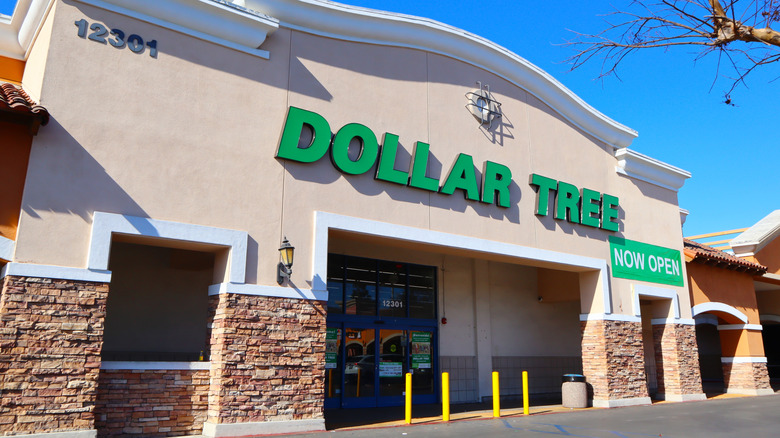
Dollar stores may increase food deserts in some U.S. communities while leaving others unscathed. This is according to new research bolstering a growing body of evidence suggesting the discount chains don't always lead to a decline in food security, which has long been feared. Because dollar stores tend to sell lots of junk food, community leaders in some areas have moved to limit their growth out of fear that the discounters will force out of business other stores that sell healthier food.
Wanting to find out if this is really true, researchers at the University of Florida used machine learning and neighborhood-level data to see whether the opening of a dollar store in an area ultimately decreases food access. They found that in urban areas with only one grocer, the entry of a dollar store does indeed contribute to food insecurity, which is known to lead to adults being unable to get recommended nutrition. In 14% of these areas, a measurable decline in food access was confirmed. That's particularly difficult for these regions because they may already have high poverty rates.
However, when looking at urban and rural areas in general, the researchers found little effect, and they noted that the results can differ from neighborhood to neighborhood. That means blanket moves to ban dollar stores might not be appropriate for some communities, especially as more research needs to be done into whether these discount stores may actually sometimes improve food access or benefit consumers in other ways, according to the University of Florida scientists.
Dollar store effects on community food security are a mixed bag
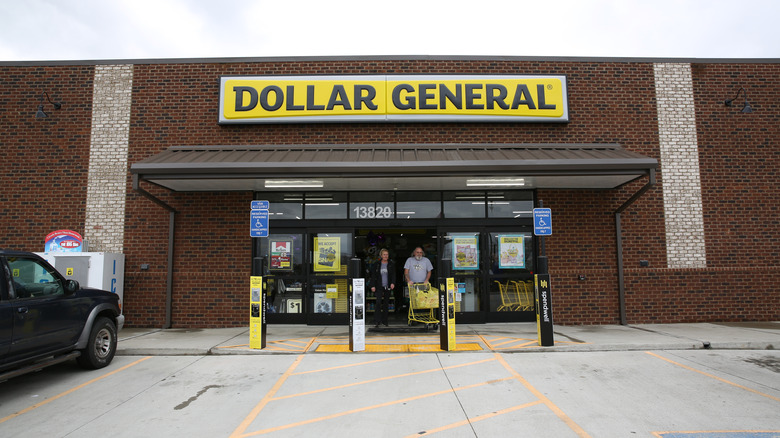
The University of Florida researchers aren't the only scientists to discover nuance when delving into whether dollar stores create food deserts. The issue has been controversial for years, especially after the Great Recession of 2008 spurred a boom in dollar stores. People also turn to the discounters when inflation eats into food budgets.
A study published in 2023 found that dollar stores indeed are likely to push out smaller family-owned stores. But it turns out that dollar stores also benefit larger supermarkets by eliminating that competition from mom-and-pop grocers. "If the goal is to improve access to full-assortment retailers, then ordinances banning dollar-store entry appear to be misguided, and likely counterproductive," the researchers said in the American Journal of Agricultural Economics.
Meanwhile, another 2023 study found that dollar stores had more of a negative effect on independent grocers in rural areas than in urban ones, according to U.S. Department of Agriculture-funded research. After a new discounter opened, the likelihood of an independent exiting the market was 5% in rural areas but only 1.7% in urban areas.