

This Is Why So Many New Apple Varieties Have Trademarked Names
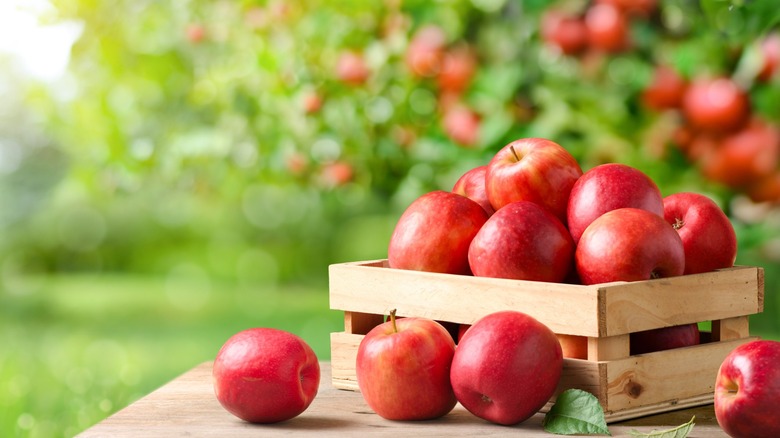
Ever wonder why grocery store apples now have names like Cosmic Crisp, Ruby Frost, or SnapDragon instead of simply Red Delicious or Gala? You're not imagining it — there's been a big shift in the apple world, and it's not just about taste.
Over the past couple of decades, apple breeders and growers have moved away from common varieties in favor of trademarked apples. Why? Because creating a new apple isn't quick — or cheap. It takes a lot of money and years of research, testing, and growing. Trademarking the name helps protect that investment. It gives breeders and universities control over quality, pricing, and even which orchards are licensed to grow it. It's like a copyright — but for fruit.
Older apples like Granny Smith and Fuji are in the public domain, meaning they aren't part of a 'club' — anyone can grow and sell them without special licensing. But newer varieties are protected, and the trademarked name is a key part of that. There's also psychology at play: research shows shoppers are more likely to try unfamiliar apples if they have a fun, catchy name. So the trademark trend isn't only a legal move — it's a marketing strategy designed to tempt you into taking that first bite.
The rise of designer fruit
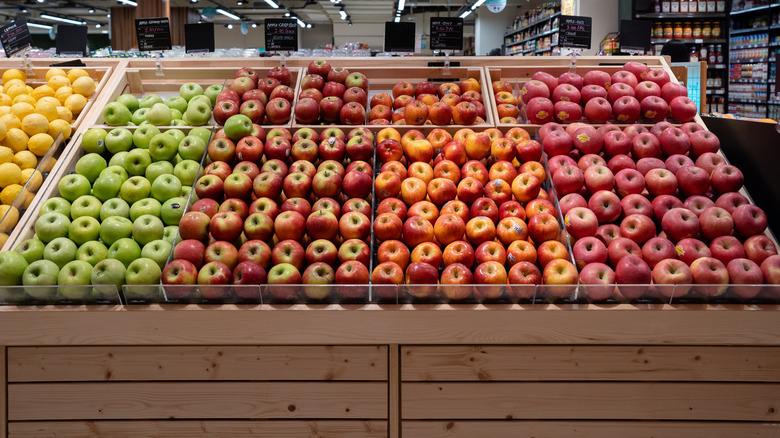
Trademarked names are only half the story — the rest is about identity. In today's apple market, storytelling is everything. That's why apple developers now team up with branding experts, marketing firms, and even sensory scientists to shape the entire experience of a new apple — before it ever shows up in stores. Think taste test panels, mood boards, and product launch strategies that feel more like a tech startup than a farm.
Want an apple that tastes like candy but snaps like a Honeycrisp? There's probably a team already working on it — and brainstorming a name that's irresistible, memorable, and unique. These names aren't chosen on a whim. They're focus-tested and refined to sound cool and fresh. Even the packaging gets the same high-concept treatment, with sleek logos, custom fonts, and snappy taglines. Some apples now have social media accounts, dedicated websites, and even custom merch. The result? An apple with serious star power.
And it's working. Consumers remember these apples. They look for them. They post about them. You're not just making an apple pie anymore — it's a SnapDragon pie. That apple strudel? It's now a Cosmic Crisp strudel, and suddenly it feels a little more special. Welcome to the era of designer fruit — where agriculture meets marketing in a surprisingly effective (and profitable) blend. It's no longer just about growing a good apple. It's about building a crave-worthy brand you recognize in the produce aisle and want to take home.