

The Aromatic Greens That Will Take Your Rice Pilaf To New Heights
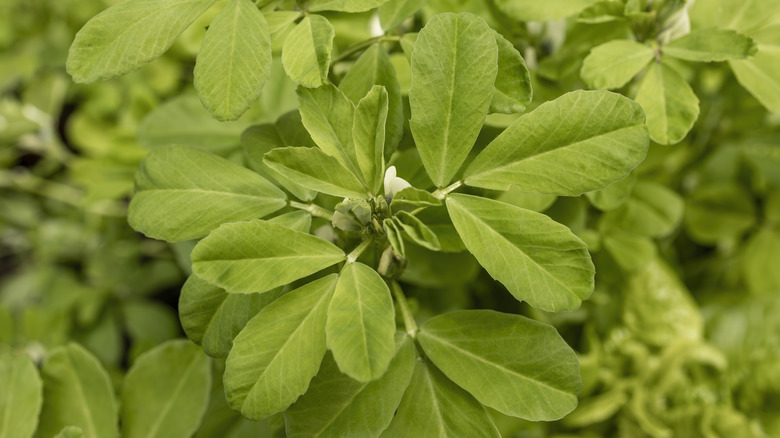
Fenugreek greens – never heard of it? Well, get yourself acquainted with what it is and how to use it, foodies! The dark green plant is the superfood of the future. With many health properties, fenugreek and full of fiber and rich in nutrients such as magnesium, potassium, and calcium, contributing to its rich history in Chinese medicine. Its leaves can be ingested, as well as its seeds, but its flavor properties remain similar in both forms.
Fenugreek also lends itself to many ethnic dishes, like Indian and Middle Eastern cuisine. The sweetness nuttiness of the plant can translate as maple or celery flavor, making for a delectable addition to stews, curries, meat, and poultry. Fresh leaves can be used in potatoes, salads, or folded into dough. Dried into an herb, it can enhance soups. curries, and act as a flavor-packed garnish. The seed form is the most versatile, as seen in Methi Dana ki Sabzi, a stir-fry dish using fenugreek seeds as a key compound. With this, you can enhance a run-of-the-mill rice pilaf with fenugreek to add that restaurant touch that will have everyone asking about the secret ingredient.
Fenugreek is a dual asset — it can help gardens grow strong, as well as provide essential health benefits. Marcus Samuelsson's berbere spice recipe is a good starting point to widen your horizons regarding the herb. No worries if your repertoire is on the novice side of the spectrum; don't take on more than feels comfortable. Start with something basic — spicing up your garlic-infused rice pilaf with fenugreek is the perfect place to broaden your horizons. Get ready to astound dinner guests and keep them coming back for seconds.
Whip up some fenugreek garlic rice pilaf
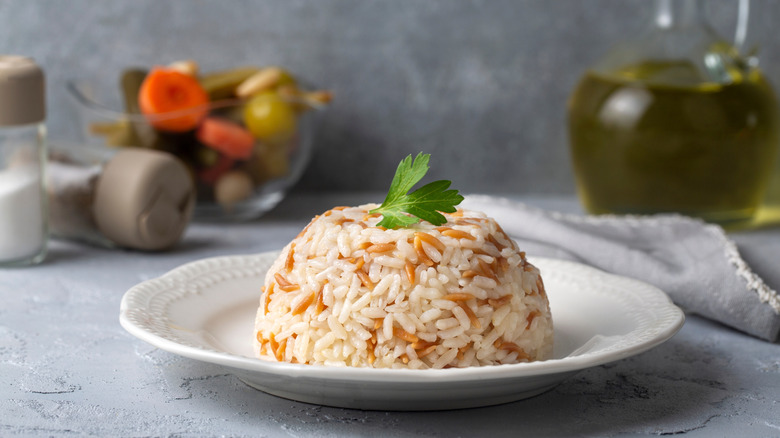
All you need to give your rice pilaf some extra flair is fenugreek, 1 garlic bulb, olive oil, ½ a white onion, salt, pepper, 1 ½ cups long-grain rice, and 3 cups chicken or vegetable broth. Parsley would traditionally be used, but swapping out fenugreek will keep your pilaf green and vitamin-packed.
Roast a head of garlic in the oven. Brush oil over the top of your garlic, then place it in an oven-safe container covered in foil. Bake at 400 degrees for 45 minutes. While your garlic roasts, saute your onion on the stovetop with a dash of olive oil on medium-high for 8 minutes. Once your onion is translucent, add the rice to the saucepan and stir for about 1 minute to toast. Once the grains are lightly browned, add the broth of your choosing. Adjust your heat to high until the liquid comes to a boil. After a boil is reached, lower the heat to a simmer. Cover your rice, and allow it to simmer for 15 minutes. Then remove the rice from the stove and let it sit covered for 5 minutes. While your rice sits, squeeze out your garlic bulbs, chop, then mix them into your rice with dried or fresh fenugreek leaves.
This recipe is perfect for any rice lovers who are not fond of the traditional peas and carrots in pilaf. Trying new things is part of the kitchen experience. Don't feel ashamed or tentative. Go for glory, and use the reliable and renowned fenugreek to add pizazz to your everyday dishes.