

If You Don't Want To Taste The Booze, This Is The Best Alcohol To Use In Cocktails
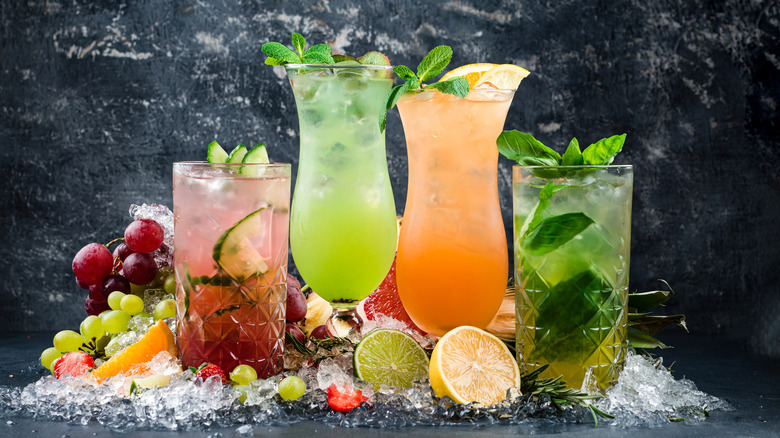
Some folks savor the deep, complex flavors of single malt whiskies or the buttery, warm notes of Jamaican rum — while others love carefully crafted cocktails without the pervasive taste of the alcohol fueling them. If you lean toward the latter, there's one particular spirit deserving an ever-present spot in your liquor collection, according to our consultation with Molly Horn, Chief Mixologist and Spirits Educator at Total Wine & More.
For people who don't particularly like the taste of alcohol, Horn agrees with the general consensus among experts. "Vodka is definitely the best spirit to use if you are looking for a 'blank canvas,' as it is by and large intended to be flavorless, odorless, and essentially free of character," she notes, but with a caveat. "You still need a well-balanced recipe or the drink will taste 'hot' (aka that burning sensation you notice when you drink it straight) ..."
She continues by noting advantages of not having to worry about masking the character of a base spirit such as whiskey or tequila, which people often associate with the taste of alcohol. With vodka, it's easier to highlight tasty non-alcoholic flavors in cocktails, including fruit, chocolate, herbs, and more. That's not to say that all vodkas are the same, as the quality and ingredients in various vodkas can still affect things like texture, smoothness, and overall palate presence. Does it all come down expensive versus cheaper vodka varieties? Not necessarily, according to Horn.
Elements affecting vodka character and price
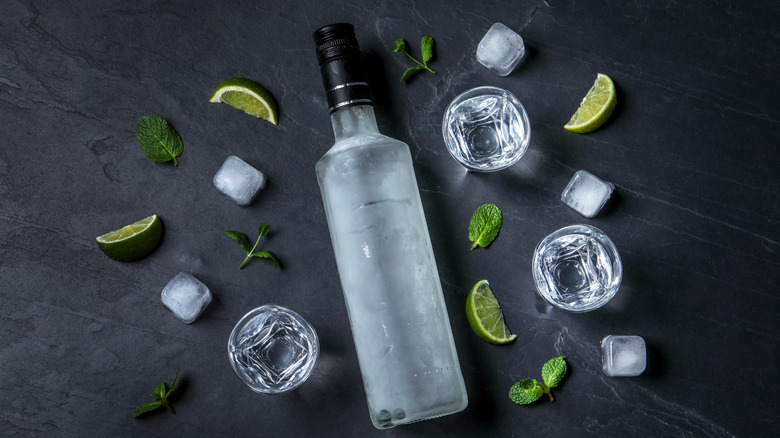
The old adage "you get what you pay for" applies to many spirits, but it's a bit more nuanced with vodka. Regarding whether refined and expensive vodkas have smoother taste profiles, Molly Horn notes how that isn't always the case, depending on things like the type and quality of base materials impacting production cost and the resulting vodka character. "For example, a vodka made with winter wheat will be creamier and softer on the palate but is also pricier to produce," she explains, "whereas one made with mixed grains will sometimes be 'sharper' but more affordable to produce."
Another factor is how water supply impacts flavor, since vodka, like all spirits, is cut with water when it comes off the still, according to Horn. "Finally, whether filtration is used, as well as the type of filtration material and technique, can drive up the price point but does usually result in a more neutral character." However, good vodka doesn't necessarily have to cost a lot, since it bypasses the aging and resting times of other spirits, plus it's made from annual crops, she notes.
Marketing also pays a big role, plus it depends on how you're using the vodka. "I love a slightly higher priced option like French winter wheat-based Gallant or Grey Goose, or spicy rye-based Belvedere, for my martini," Horn shares, "but if I'm making something light and refreshing mixed with citrus juices and syrups, I'll lean toward pocket-friendly corn-based options such as Tito's or Goodnight Loving."