

You Shouldn't Remove Fruit Stickers Until Right Before Eating. Here's Why
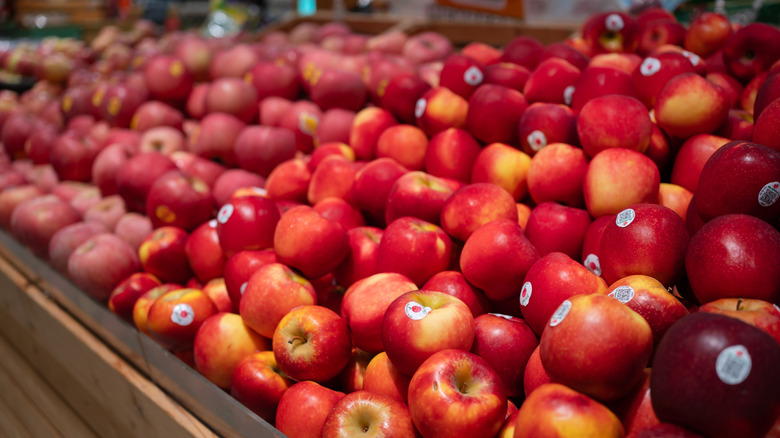
As you wait for the perfect moment to bite into your ripe peaches and shiny apples, there's one habit you should break to preserve their freshness, and that's peeling the sticker off too soon. It's one of the most common mistakes to avoid when buying fresh fruit, and yet, most people don't think twice about it. It's always best to leave the sticker intact until you're ready to eat the fruit, as peeling it off could break the skin, turn its flesh brown, and make it spoil faster.
If you've ever sliced an apple and left it out on the counter instead of eating it immediately, you'll have witnessed the surface becoming brown when it's exposed to the air. Known as enzymic browning, this process occurs when the enzymes and phenols in the flesh meet oxygen from the air. In some cases, the fruit may start browning within minutes of exposure.
Some fruit stickers can be particularly stubborn and difficult to peel, which makes the skin more vulnerable to tearing. When it comes to softer stone fruit, the risk of tearing the skin is even greater. If you peel labels off prematurely, you could end up with a fruit bowl full of oxidized produce that's developed a mushy texture and unsightly brown appearance. Overripe or spoiled fruit can also attract unwanted flies and pests. However, other types of fruit may not be as vulnerable to spoiling from a peeled sticker, and it's important to know the difference.
When peeling fruit stickers compromises freshness
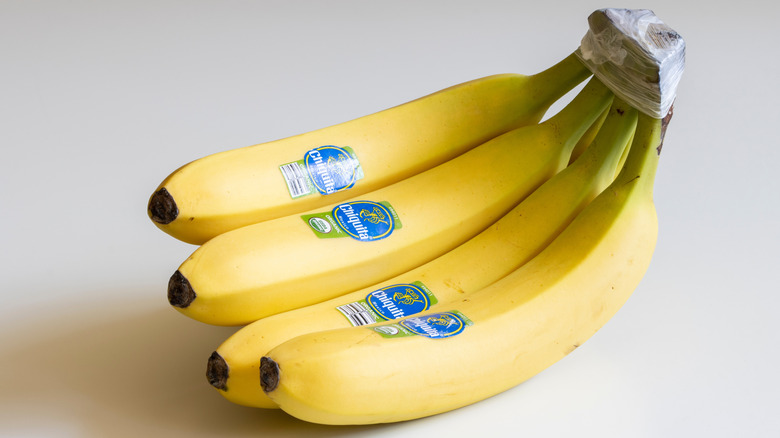
Some fruits, such as nectarines and apples, are more susceptible to damage because they have thin skin that can be pierced easily. A banana's skin also thins as it ripens, which means fruit stickers can be harder to remove from a freckled banana than a green one. However, other types of produce, such as mangos, pineapples, and avocados, have a tougher and textured exterior, making them less likely to become damaged by the removal of fruit stickers. It's also worth noting that as fruit oxidizes and turns brown, it can also degrade some of its vitamin content and change its nutritional value. The longer the damaged fruit is exposed to oxygen, the less nutritious it may become.
While they should be removed just before the first bite, fruit stickers are safe to eat in small quantities, so don't be too concerned if you occasionally forget to peel them off first. However, they do contain ink and other chemicals used during the printing process, so they aren't exactly considered edible. The stickers are also made of plastic and are not biodegradable, so they should be put in the garbage instead of the organic waste bin. Once you remove the sticker, remember to give the surface a good rinse to remove any adhesive residue. However, bear in mind that washing fruit may not be enough to remove pesticides.