

15 Northern Irish Dishes You Need To Try At Least Once
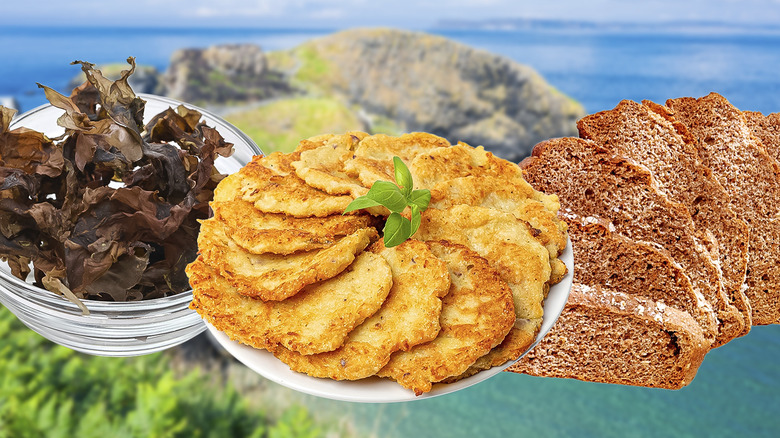
Ireland has given the world some iconic foods. Irish stew is probably one of the most well-known, especially when it's made with a mix of beef and Guinness. In fact, from the north to the south, thick, hearty Irish stew is a household and restaurant staple. Irish stew isn't alone. There are many foods that unify the entirety of the Emerald Isle. There's the humble potato, of course, which appears in many traditional dishes, as well as bacon, cabbage, and soda bread.
But there are some dishes and foods that are uniquely Northern Irish. The Ulster fry is one of the most obvious, given the name, but the country has also created many other hearty and nourishing classics. Think: champ, soda farl, and fried dulse. It's also home to some indulgent and sweet dessert foods, like fifteens and Jammy Joeys. Intrigued? Below, we've rounded up some of the Northern Irish dishes that are worth trying at least once.
Ulster fry
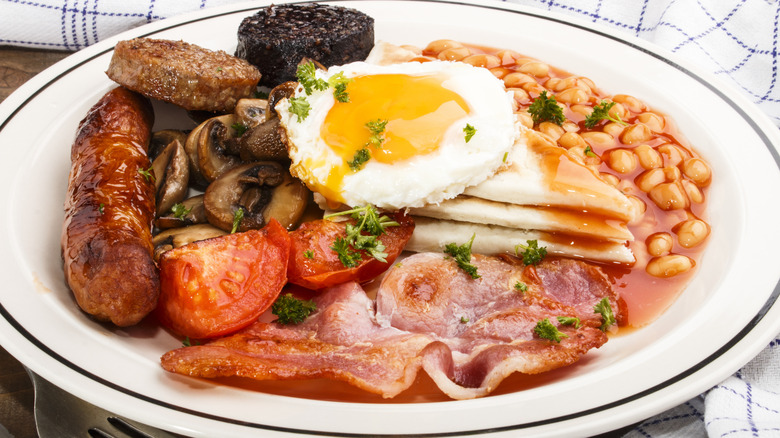
Most have heard of the traditional full English breakfast, which consists of fried foods like sausage, bacon, potatoes, eggs, tomatoes, and mushrooms, all crammed on a plate with baked beans and toast. But each region of the U.K. has its own version of this popular dish. Full Scottish breakfasts, for example, often feature haggis and square lorne sausage, while a full Welsh breakfast comes with cockles and laverbread sausages. In Northern Ireland, it's all about the Ulster fry.
Ulster is the ancient name for Ireland's northern provinces, but today, it's often used to refer to Northern Ireland (especially by Unionists). An Ulster fry is very similar to other regional fried breakfasts, but there are a few key differences. Traditionally, alongside sausages, bacon, eggs, and tomatoes (all cooked in bacon fat), it also features fried potato bread and soda farls. We'll come on to farls shortly, as they're an iconic Northern Irish food in their own right, but in a nutshell, they're round slices of flat soda bread. Today, many different variations on the traditional recipe are found across Northern Ireland, including vegan and vegetarian options, and versions made with avocado or poached eggs.
The Ulster fry, which was popularized in the 1960s, is slightly different from a full Irish breakfast, which is traditionally enjoyed in the Republic of Ireland. One key difference is in the bread: Irish breakfasts tend to feature grilled brown soda bread rather than fried.
Soda farl
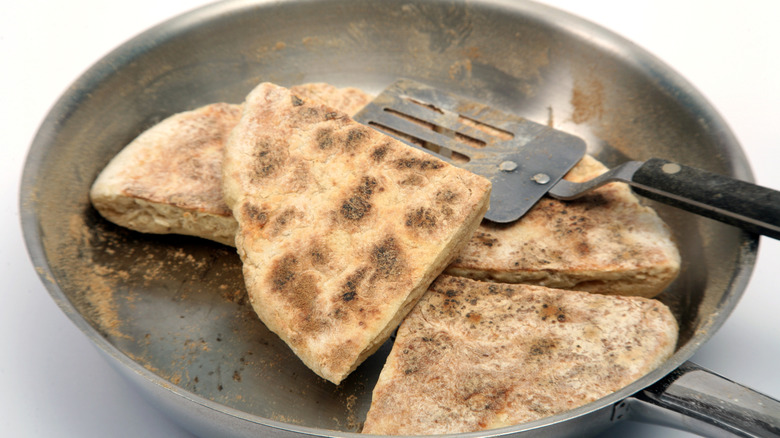
Soda bread is a staple across Ireland, and it's been that way for centuries. When Irish settlers landed in the U.S. in the 18th century, they started making bread without yeast (due to a lack of access). Instead, likely inspired by Native Americans, they settled for wood fire ash, which was mixed with flour, salt, and buttermilk to make bread. Today, the bread is made with bicarbonate of soda.
In Northern Ireland, soda bread is a little different from the rest of Ireland. Firstly, it's much flatter than other Irish soda breads, because it's cooked on a flat griddle. It's also cut into four triangles, which is why it's called soda farl, rather than bread. Farl is Gaelic for "fardel," which means "four parts."
Soda farls are a key part of an Ulster fry, but they can also be enjoyed on their own with jam and butter, too. Some also opt for filled soda, which is basically a farl sandwich with ingredients like sausage and eggs.
Champ
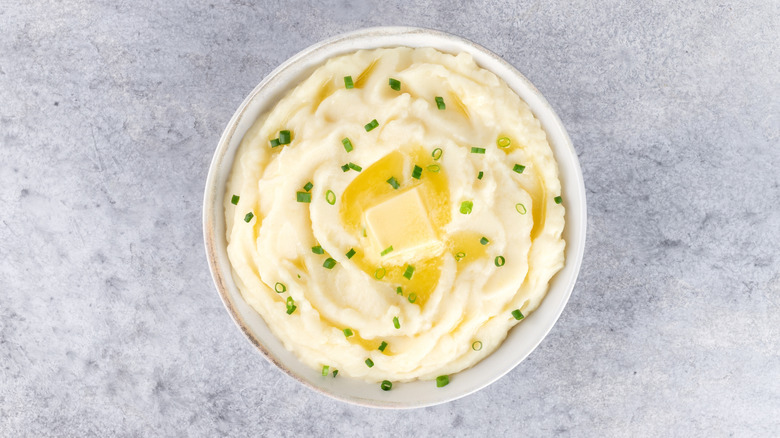
Champ is an incredibly simple side dish, but it's widely loved across Ireland for being creamy and comforting. Today, it's usually made by combining mashed potatoes with milk, butter, salt, green onions, and black pepper. But traditionally, people in the northern regions of Ireland used to make it with stinging nettles foraged from the countryside.
Irish champ is very similar to another Irish potato dish: colcannon. However, while champ is an Ulster dish, this creamy potato mash is more common in the south of Ireland. It's usually made with leafy greens instead of onions, and sometimes, people choose to add bacon or cream cheese.
Both colcannon and champ are important cultural dishes in Ireland. They originated from a time when food was scarce, and families needed to sustain themselves with ingredients that could be grown or foraged. Today, champ, which is served in pubs across Northern Ireland, is loved as much for its cultural significance as it is for the creamy, comforting taste and texture.
Potato bread
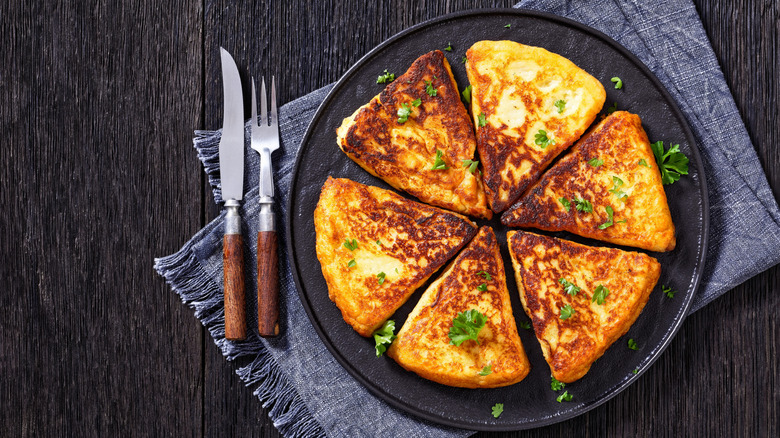
Potato bread (also known as potato farl) is very similar to a soda farl, but of course, there is one blatantly obvious difference: It's made with potatoes. In fact, potato bread is made with just potatoes, flour, butter, and salt. In Northern Ireland, potato bread is traditionally fried in bacon fat, cut into triangles, and served with an Ulster fry, but it's also tasty on its own with butter.
Potato bread is a common sight in bakeries and stores across Northern Ireland (especially in Belfast), but you can also easily make it yourself from scratch. It's particularly good when it's made with cooked potatoes from the day before, which makes sense, because that's exactly why potato bread was first created: to use up leftovers.
Potatoes feature in many traditional Northern Irish and Irish dishes, simply because they have long been a cheap and accessible food that grows in abundance across the country. Before the devastating potato famine, which began in 1845, around 8 million Irish people relied on potatoes to survive.
Belfast bap
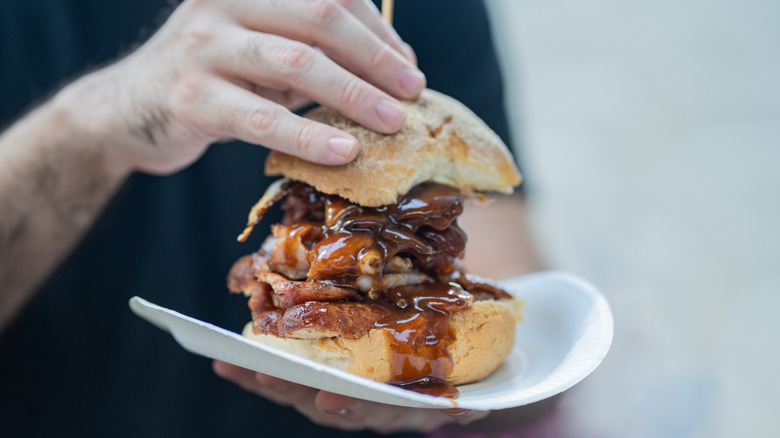
The famine, caused by the failure of the potato crop, had a major impact on the Northern Irish people. Many fled from rural regions to Belfast, where they hoped to find work and food. Of course, there were no potatoes in the city either, but there was another staple of the Northern Irish diet: bread. In fact, this tumultuous period actually resulted in the invention of a new bread dish, the Belfast bap.
Created by a baker called Barney Hughes, the Belfast bap was small, affordable, and made with a mixture of ground peas and beans. It's kind of like a modern American burger bun, but with a harder, crispier crust.
Today, Belfast baps are often made with rice flour (which is essential for the signature hard crust), and enjoyed with fried foods like eggs, bacon, and sausage. Some choose to enjoy them with Belfast ham and potato chips, while others opt for cheese, onions, and coleslaw.
Pastie bap
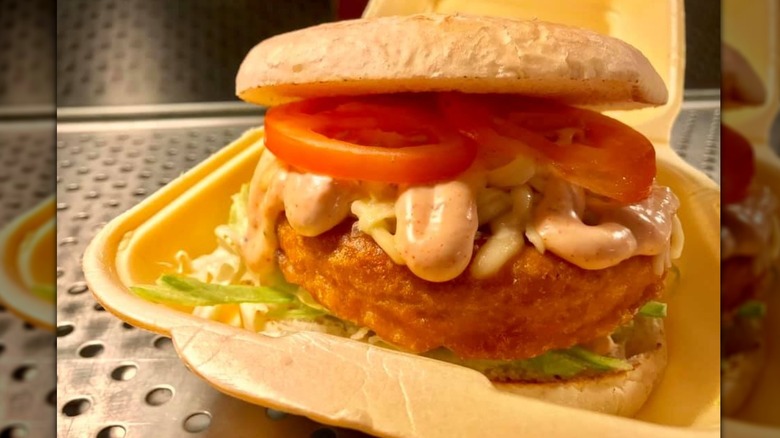
Fish and chip shops are a common sight across the U.K., whether you're in England, Wales, Scotland, or Northern Ireland. But what's on the menu can differ from place to place. In Scotland, for example, you might come across deep-fried Mars bars (yes, really). In the north of England, you're likely to find gravy on the menu (essential for dipping chips in), while in the south, ketchup is more common, as well as battered cod. In Belfast, though, the customer favorite isn't fish, or even chips, it's a pastie bap.
Also known as Ulster pasties, the pastie bap is basically a pastie and a burger, sandwiched together in a bread roll (or, sometimes, a Belfast bap). The pasties themselves are usually bright pink, which comes from food coloring, and are made with sausage meat (either pork or meat-free). They're then battered, deep-fried, and slapped in a roll with different toppings, before being served as they are or with chips.
Fried dulse
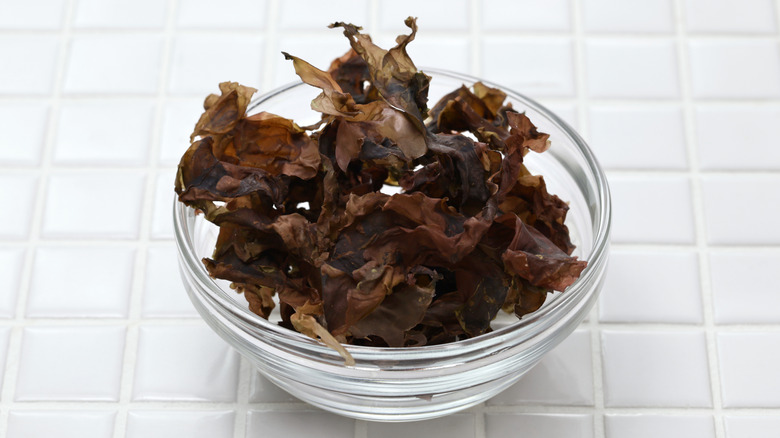
For centuries, Northern Irish people have had to be resourceful with their food. They grew potatoes and foraged nettles for champ, for example, and baked yeast-free soda bread. On top of this, they harvested dulse, a type of seaweed, from the coastline. During the famine, some rural families even moved to the coast so they could harvest more dulse.
Dulse grows in abundance around Northern Ireland, but it is particularly prominent near the Giant's Causeway, on the Antrim Coast. After the famine, many people stopped eating the seaweed (despite the fact that it is incredibly nutritious); however, recently it has become more popular again. It is often pan-fried and eaten with butter, which helps to offset its intense, salty, fishy flavor. In fact, many say that eating dulse is like eating the ocean.
Outside of Northern Ireland, dulse is also eaten in Scotland and across northern Europe. It has even been used to create vegan bacon, thanks to its umami-rich, salty flavor and crispy texture when fried. In fact, one of its nicknames is "bacon of the sea."
Fifteens
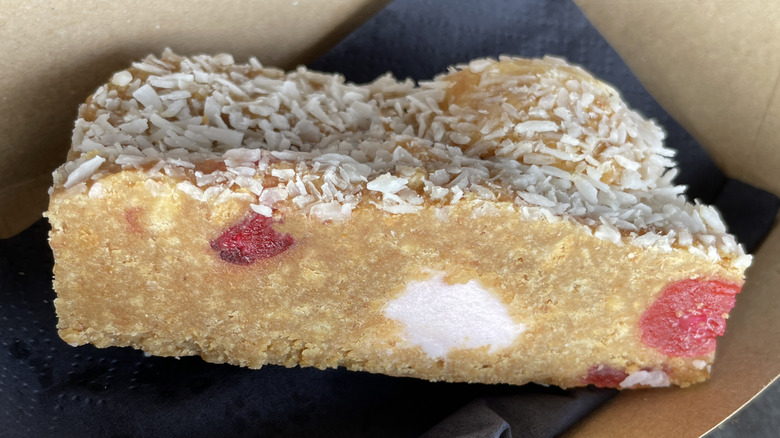
Fifteens are a classic Northern Irish sweet treat, and a common sight at children's parties. They're incredibly easy to make. In fact, you don't even need to turn on the oven, because once you've made them, all you need to do is pop them in the fridge to set. They're sweet, chewy, a little crunchy, and often enjoyed with a steaming mug of tea.
If you're wondering why they're called fifteens, the answer is pretty straight forward: You need 15 of each ingredient to make them. So that's 15 digestive biscuits (which is basically a hard, semi-sweet cookie made with baking soda), 15 glacé cherries, 15 marshmallows, and 15 stollen bites (which are pieces of fruity sweet bread).
The digestive biscuits are crushed and combined with the rest of the ingredients before being mixed with condensed milk. The topping for fifteens is usually a combination of nuts and coconut. Today, there are many different ways to make the no-bake treat; some opt to fill them with cocoa powder or even chopped up candy bars.
Veda bread
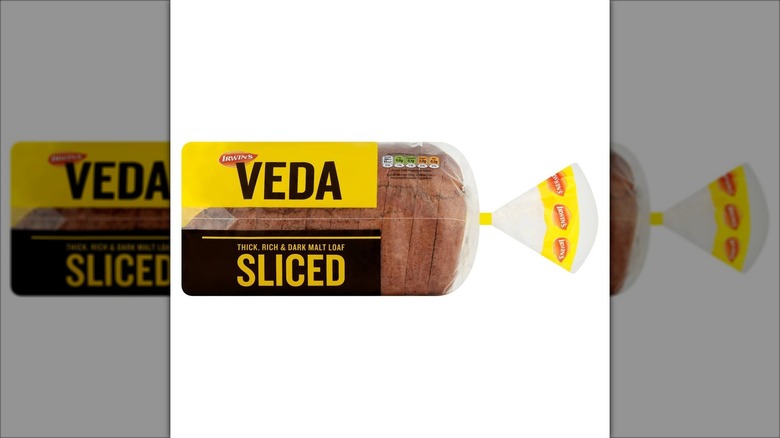
We've had soda farl and potato bread, and now we give you yet another beloved Northern Irish loaf: veda bread. Made with malted flour, this bread tastes malty (go figure) and sweet, and is often eaten toasted with lots of butter or cheese, although some choose to top it with jam or peanut butter.
Today, you can pretty much only buy it in Northern Ireland, but veda bread was once sold across the U.K. It was often shipped to soldiers during the First World War, because it was one of the only baked goods that would reach them still fresh enough to eat.
Interestingly, while the bread is synonymous with Ulster cuisine, it wasn't created in Northern Ireland. In fact, veda bread was actually invented in Gleneagles in Scotland, by a baker called Robert Graham in 1900. It's not known exactly why the Northern Irish love veda bread more than the rest of the U.K. today, but some speculate it's not for any other reason than simply because the people of Northern Ireland just really, really love bread.
Yellowman
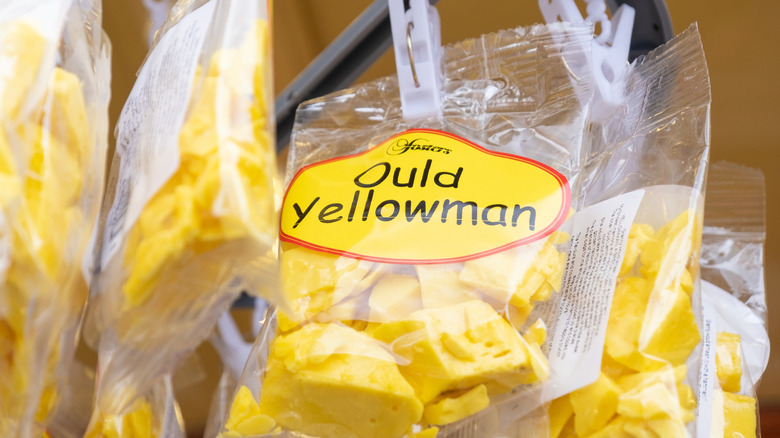
Every year, thousands of people flock to Ballycastle for the Ould Lammas Fair, which is one of the oldest fairs in the whole of Ireland. The event has been running since the 17th century, and usually features stalls selling everything from handmade crafts to fresh produce. There's plenty of dulse on offer, but the fair is probably best known for a hard yellow candy called yellowman.
The candy is similar to British seaside rock, which is usually brightly colored, hard, and incredibly sweet. Yellowman is also incredibly sweet, due to the fact the key ingredient is syrup, but the rest of the recipe is top secret. In fact, there are said to be only three families in Northern Ireland who know the proper recipe for yellowman. That said, many confectionaries in Northern Ireland now produce their own versions to sell at the Ould Lammas Fair, as well as shops across the country.
Boxty
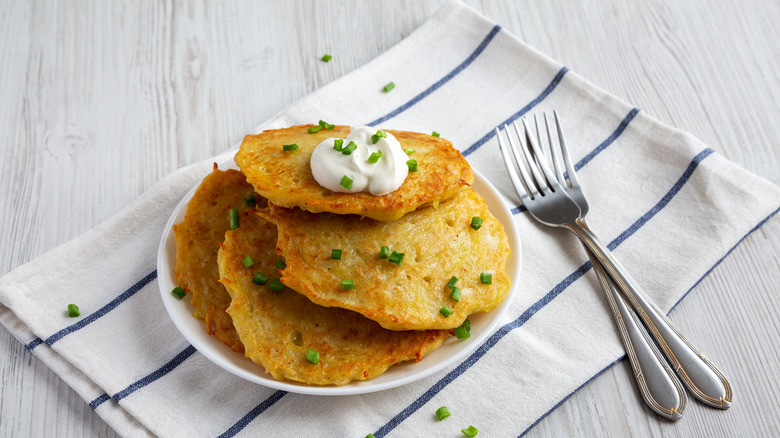
Similar to a hashbrown, boxty is basically a fried potato pancake. It's typically made with soft, mealy potatoes and buttermilk, and is often eaten for breakfast with eggs and bacon. That said, boxty is incredibly versatile; it also goes with salad, smoked salmon, or even beef stew. For some, an Ulster fry isn't complete without boxty.
Technically, boxty is from both Northern Ireland and the Republic of Ireland, because it originated in the four border counties in the Northwest. These are Fermanagh (Northern Ireland) and Cavan, Donegal, and Leitrim (Republic of Ireland).
Like many Irish potato dishes, boxty was eaten before the famine, when potatoes were a key source of food for the population. In fact, the first written record of boxty is in a book published in the late 1820s, but it was likely eaten even long before that. It was probably a celebratory dish at first, and over the years, it evolved into a weekly treat for Northwestern Irish families.
Vegetable roll
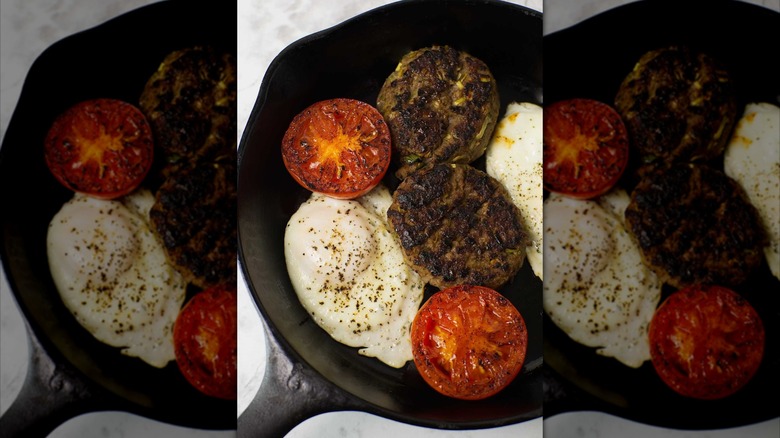
You could be forgiven for thinking that a Northern Irish vegetable roll is a roll filled with vegetables, but actually, that's not the case at all. Despite the name, a vegetable roll is actually made with beef. Yep, don't be fooled: This is not an inherently vegetarian-friendly dish (although if you replaced the beef with plant-based meat, you could probably make a plant-based vegetable roll).
Alongside beef mince, vegetable rolls are made with ingredients like onions, parsley, celery, and breadcrumbs. Usually, these ingredients are stuffed together into a plastic casing, sliced up, and then fried. For many, vegetable rolls are another key part of the Ulster fry.
Vegetable rolls have been popular in Northern Ireland since at least 1954, when they were first sold by the Ballymena butcher, Hull's (although they were likely being made in Northern Irish households before this). That same butcher is still going strong today, selling both vegetable roll slices and burgers.
Jammy Joey
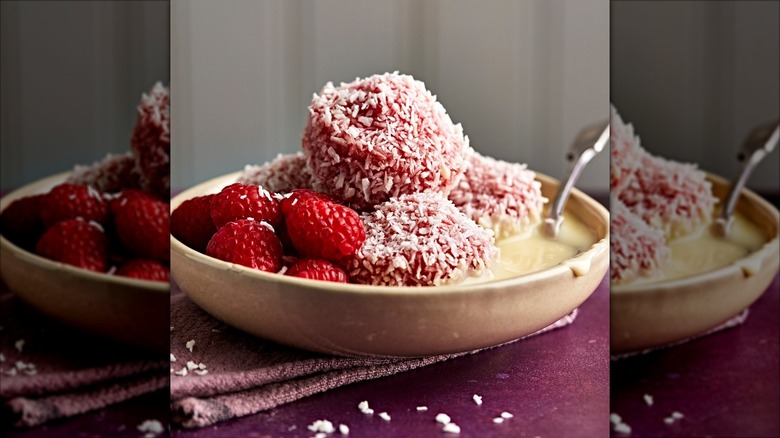
Jammy Joeys are another classic Northern Irish sweet treat. Developed in the 1980s by Howell's Handmade and now produced by the popular Craigavon-based Irwin's Bakery, the treat consists of a Madeira bun covered in raspberry jam glaze and desiccated coconut. Today, the bakery makes many different twists on the classic, like the Wee Lemon Joeys, for example, Wee Caramel Joeys, Wee Chocolate Orange Joeys, and Snowy Joeys, which are covered in plain icing and coconut. You can eat Jammy Joeys as they are, but they're also pretty tasty with fresh fruit and hot custard, too.
It's also easy to make Jammy Joeys from scratch. Just whip up a simple sponge and then cover it in your favorite jam and coconut flakes. They're very similar to Australian lamingtons,which again, is a sponge cake covered in desiccated coconut. However, instead of strawberry jam, the coconut flakes are usually combined with chocolate icing.
Wheaten bread
Nope, we're not done with bread yet. We are talking about Northern Irish food, after all, and as we established earlier, the Northern Irish really love their bread.
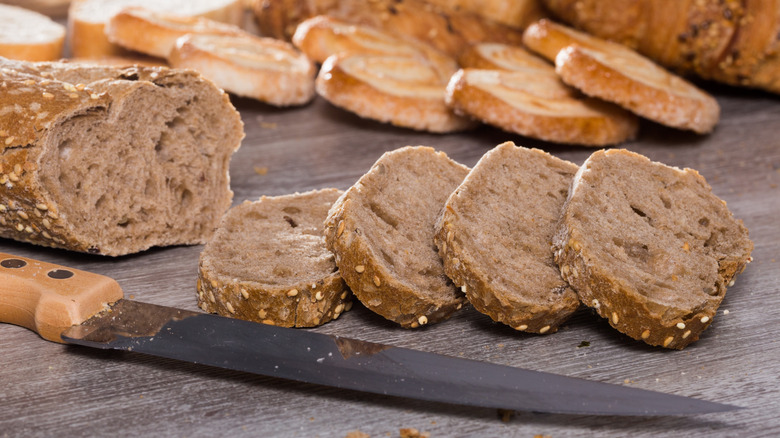
Wheaten bread is basically soda bread, but it's slightly different, because it's brown (which is why many call it brown soda bread). Unlike many soda bread recipes, wheaten bread is made with whole wheat flour instead of all-purpose flour (which, of course, is what makes it brown). Usually, wheaten bread is enjoyed alongside hearty soups or salads, but it's also tasty on its own (when served warm with plenty of butter or spread, of course). Because it's made with whole wheat flour, wheaten bread tastes slightly nuttier than soda bread.
Wheaten bread is also typically healthier than other types of bread. This is because whole wheat flour is less processed than white flour and therefore retains more of its nutrients, like fiber, iron, and potassium, for example.
Portavogie scampi
Shellfish is eaten all over the world. In fact, according to Skyquest, by 2032, the global market is expected to exceed a value of $84 billion. So yes, shellfish are a huge business in most countries, and Northern Ireland is no exception.
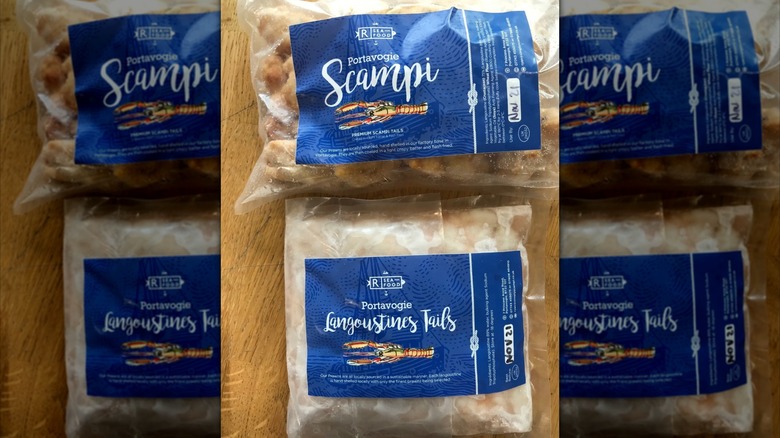
In Northern Ireland, Portavogie prawns, which are caught in the small fishing village of Portavogie, are particularly popular. They're served in local restaurants, but they're also exported all over the world. In fact, Portavogie is the second-largest fishing port in Northern Ireland, second only to Kilkeel.
Portavogie prawns (which are also known as langoustines) can be eaten in many different ways, but, if you're in Northern Ireland, you'll likely come across them served as scampi. This dish, which involves battered or breaded Portavogie prawns or other types of langoustine, is popular all over the U.K., and usually found on pub and fish and chip shop menus.