

What 'Natural Flavors' Actually Means In Packaged Foods
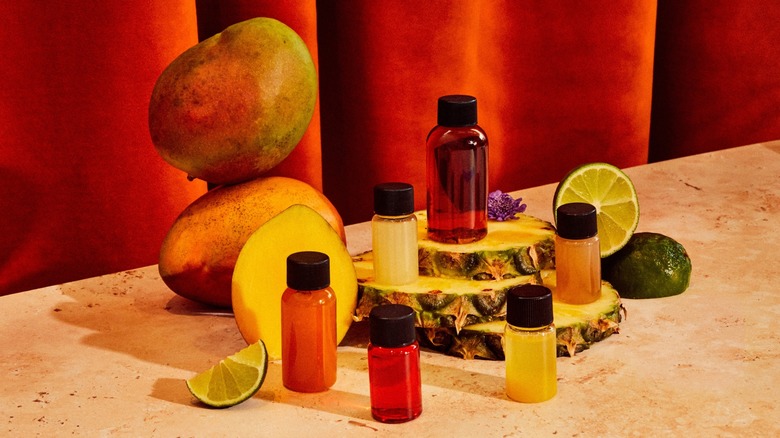
How many times have you worried about ingredients in that yummy food you're eating, only to be pleasantly surprised when you learn that it contains "natural flavorings." Whew, right? I always felt that relief myself, but decided to dig a little deeper on what that term actually means. It's more nuanced than you might imagine — and a bit disappointing. When you see "natural flavor" on a food label, it doesn't necessarily mean that your packaged product contains fresh fruit or wholesome ingredients.
According to the U.S. Food & Drug Administration (FDA), natural flavoring is defined as flavoring agents derived from plant or animal sources, such as fruit, vegetables, herbs, dairy, or fermentation products. They could come in the form of oils, extracts, distillates, or be the products of roasting or heating the original source, plus a few more detailed distinctions. But let's be clear: These ingredients are used solely for flavor, making the food product taste better but adding no nutrition to the equation on any level.
Natural flavoring often comes from devoted, science-based flavor houses used by major food manufacturers. But natural flavors, on a chemical basis, can essentially be the same as artificial flavors, as long as they have a natural origin. They can, and often do, contain the same questionable food additives or processing contaminants, including preservatives, chemicals, solvents, and more, with very little restrictions by the FDA. We'd all love to feel safe with the word "natural" in an ingredients list, but in this case, it sadly refers only to the original source of the ingredient, not to its overall simplicity or purity.
What's not listed in natural flavoring
It gets tricky when determining exactly what's in that "natural flavor" listed in your cookies, cereals, chips, canned goods, drinks, hot chocolate, those flavor essences in seltzer drinks, and loads more. Natural flavoring is considered the fourth most common ingredient appearing on food labels, based on studies of more than 80,000 food products rated by the nonprofit Environmental Working Group (EWG). Only water, salt, and sugar appear more often on the labels.
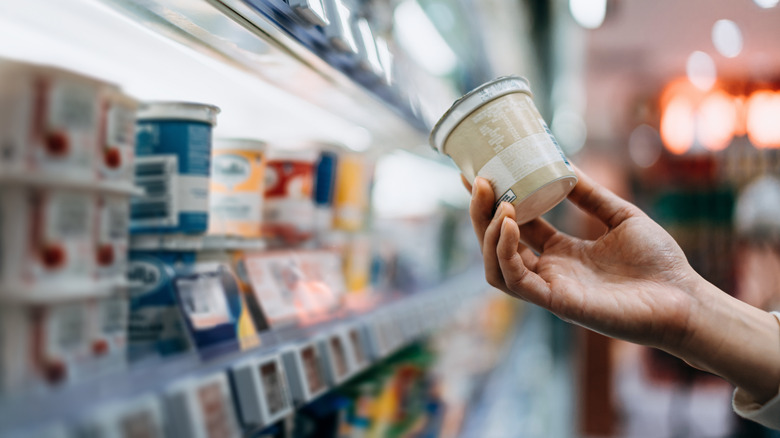
But since the individual components of natural flavoring aren't considered separate ingredients, they don't have to be listed separately on the label. Those components can be anything from emulsifiers, solvents, and preservatives, to their carriers, such as glycerin, ethanol, or propylene glycol, which extract, stabilize, or deliver the natural-flavor compounds to our foods. For example, you reach for a container of "vanilla" yogurt, but it may contain only the "flavor" of vanilla, created from dozens of unlisted additives.
Granted, if the label says "natural," the flavoring must have originated from a substance meeting the FDA requirement of coming from a plant or animal source. But, depending on the food and the flavor compound, it could contain as little as 10% of the qualifying base origin. As for genetically-modified components, they can also reside in natural flavor extracts, or the foods they're based on, according to the EWG, because the term "natural" has yet to be clarified and sufficiently defined by the FDA.