

15 Fruits And Vegetables You Can Start Growing In Late Winter
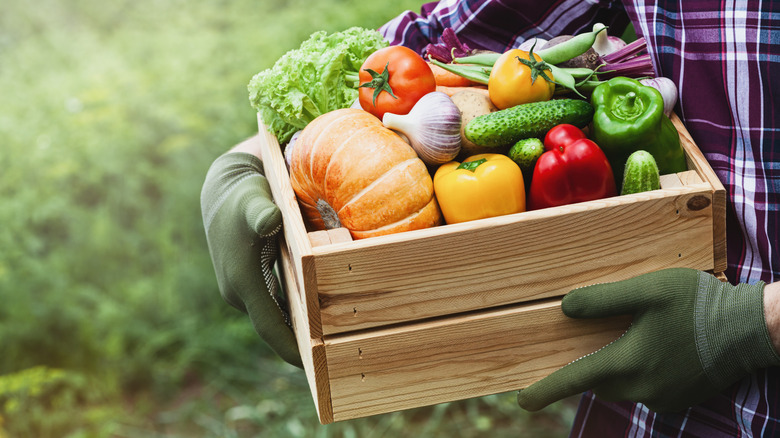
Late winter is when keen gardeners can get a little restless. The weather is still cold, and spring still feels far away. Thankfully, you don't need to wait until the weather warms to start your growing season. There are plenty of fruits and vegetables that can be started in the late winter, ready for a bountiful harvest in the coming months. Each of these plants needs unique care in order to thrive, but thankfully, I can guide you through exactly the right steps.
As the owner of a gardening business, I've had plenty of experience growing all of the food you'll see here. I'll walk you through how you can get these fruits and veggies started, all the way up to eventually harvesting them. You can still achieve excellent results with a minimum amount of equipment, and you don't need expensive setups. Once you get to the end of this guide, you'll have plenty of options to start the rewarding task of growing your own produce in late winter.
Tomatoes
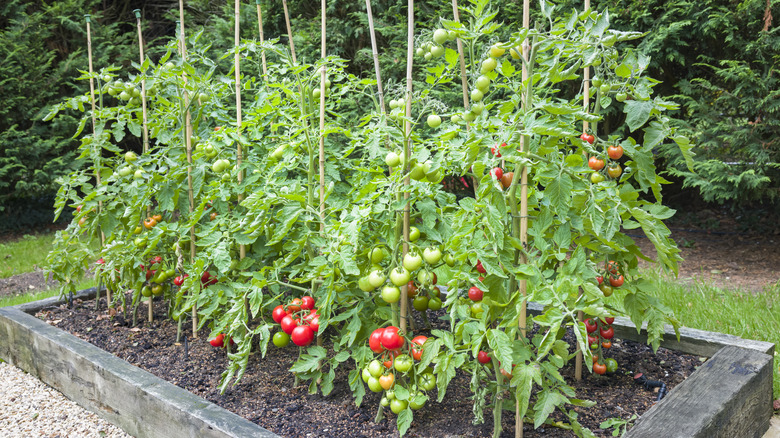
Tomatoes are a warm-season crop, meaning they need a long growing season. If you start them outside in spring, you'll most likely have to wait until late summer to get a harvest. It's easy to make mistakes when growing tomatoes, but sowing them indoors gives them a great head start. You want to do this around two months before your last frost. The perfect environment is a heated greenhouse with grow lights, but this isn't feasible for everyone. That's where a sunny windowsill can help.
Place your seeds in loose soil, just below the surface, and keep the dirt moist. Using a propagator box with a lid is ideal, as this helps to create humidity and stops the soil from drying out. Tomato seeds generally germinate quickly, and once the seedlings emerge, they need plenty of light. Without it, they can become leggy, meaning the seedlings desperately reach for light and grow weaker stems. It's a good idea to get just a single grow bulb, and affordable versions are easily available. You want to gradually introduce your plants to the outside environment to avoid the shock of a cold night. When the last frost has passed, you can then plant them outside, and you'll be well on your way to growing big, juicy tomatoes.
Strawberries
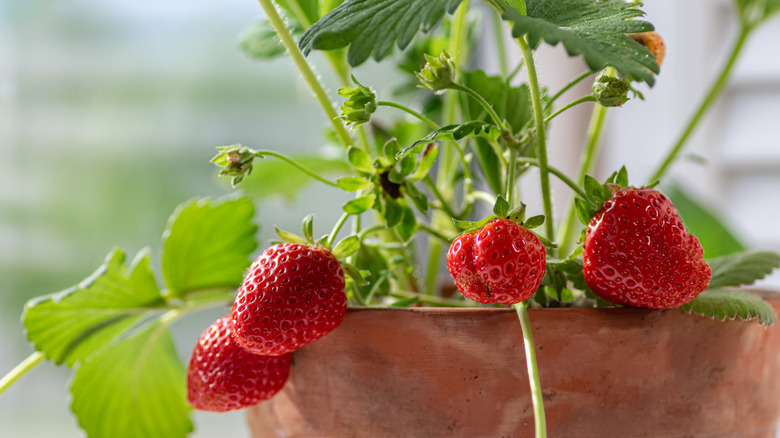
Strawberry seeds are trickier to germinate than tomato seeds. Tomatoes can come through in less than a week, whereas strawberries can take up to a month. Additionally, strawberry seeds need light to germinate, so you want to put them on the surface of the soil, or make sure they're just barely covered. They also need to be hardened off through a cold cycle that mimics winter (a process called stratification), but if you pre-purchased the seeds, this step should have already been completed. The seeding trays or pots need to be kept consistently warm and moist. If this sounds like too much hassle, you can buy bare-root crowns, which can be potted indoors and stored somewhere cool.
Once the seedlings emerge, keep them in bright light. As spring approaches, you can then begin stratification by exposing the seedlings to cool air and wind in increasing increments over time. Without this process, the seedlings can die from shock, ruining all your hard work. You can plant strawberries outside in mid-spring, but while established plants are frost-resistant, new growth is still vulnerable. You may not get a huge first harvest, but strawberries are perennial, meaning you'll get sweet and juicy strawberries coming back every year.
Sweet peppers
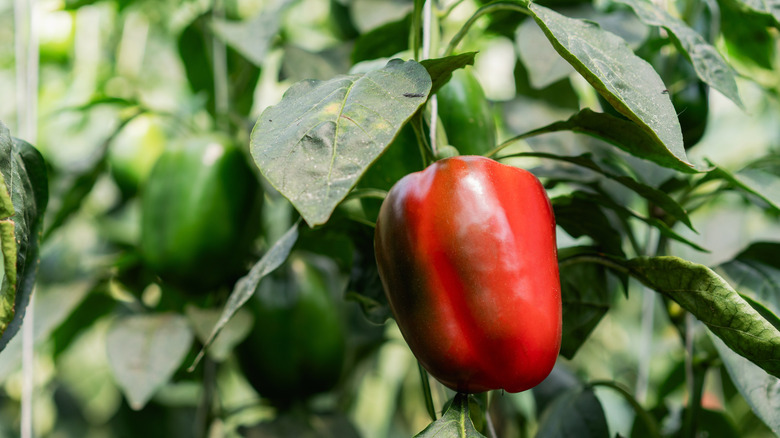
When growing any plant, it's a good idea to research the region they are native to, as this will help you understand the prime conditions for growth. Peppers are native to Central and South America, which means they prefer long growing seasons with plenty of sun. If you plant pepper seeds in the spring, you may not get a harvest until fall. About 10 weeks before your last frost is a good time to start. You can sow them earlier, but established seedlings will need sufficient indoor space and grow lights.
The best soil to use for all of these plants is a fine potting soil mixed with vermiculite, which is a moisture-retaining mineral that can help with aeration. You can achieve success with any type of soil, but your chances will be lower. Pepper seeds also need consistent warmth to germinate, so if you don't have a heated propagator, a windowsill in a warm room or a shelf above a radiator works well. Harden the plants off carefully, as peppers are highly frost sensitive, and place them somewhere that gets plenty of sun.
Onions
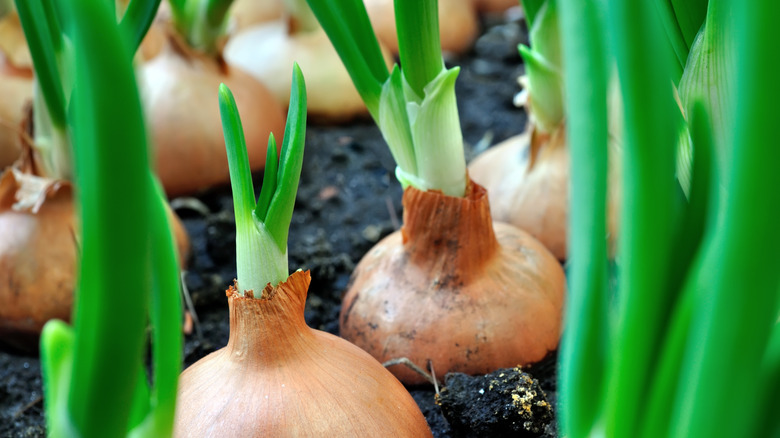
In contrast to peppers, onions don't mind a bit of cold. It's still best to start the seeds off indoors for the highest success rate, but they can also grow in a cold frame. You can start them as early as January, and the seeds only need a light covering of compost. Giving them plenty of time to grow will increase your chances of getting much larger bulbs.
They'll still need hardening off, but onions can be kept outside once they are established as seedlings. This makes them ideal if you're limited on indoor space, as you won't need to fill your home with pots once the seedlings need to be transplanted into larger containers. When it comes to planting onions, the key is to give them loose soil, otherwise the bulb won't grow properly. If your garden soil isn't suitable, it's best to either replace it with compost, or plant your onions in a container. For large bulbs, you want to try to plant the seedlings about 8 inches apart, although you should still get good growth if they're a little closer together.
Lettuce
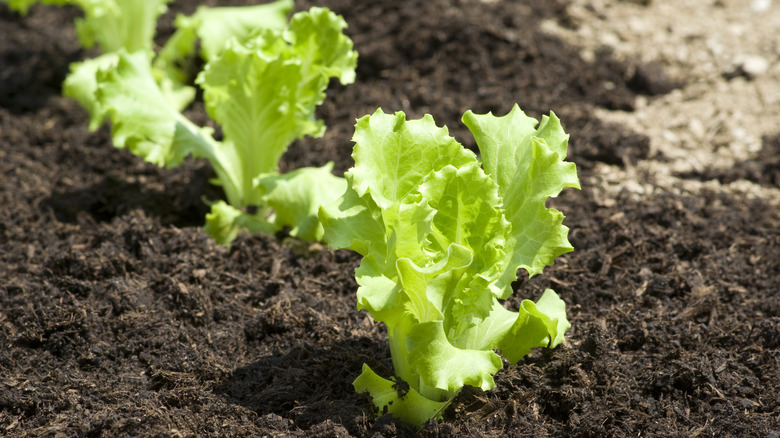
Lettuce doesn't like the heat, making it ideal for early spring growth and for those who want a strong fall harvest. Starting the seedlings indoors will encourage their quick growth, and most types are frost-resistant, so you don't need to worry about cold weather too much once you've hardened them. This is true for many of the plants listed; however, there are many different types of lettuce, so it's important to check the specific needs of your plant, especially regarding aspects such as frost tolerance and spacing.
Lettuce seeds don't need a lot of heat to germinate, but they have the usual requirements of continuously moist, loose soil, and shallow-planted seeds. You can plant seedlings outside in winter as soon as the soil becomes workable. If you're due a particularly hard frost, it's best to cover them with a cloche, fleece, or similar. Make sure to plant them in a well-shaded spot, as once the warm weather comes, they can start sprouting flower stalks and go to seed, which you don't want. This is called bolting, and it can make the leaves taste bitter.
Basil
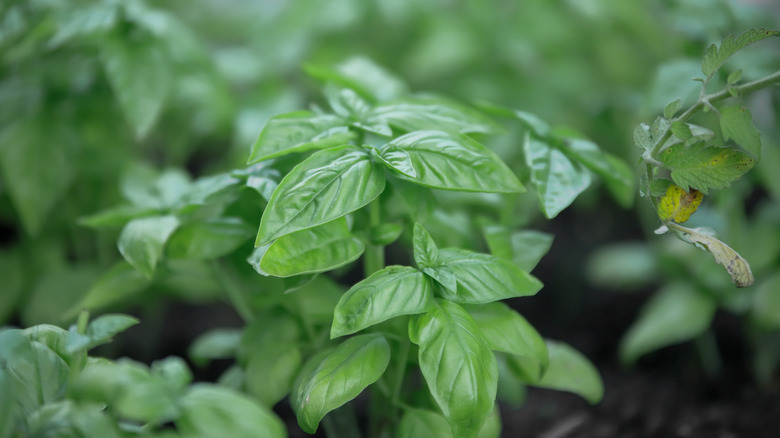
One of the most popular herbs to grow at home, basil can be grown indoors all year long. However, if you eventually want to plant basil outside, then late winter is the perfect time to start. Late February is ideal, as basil is extremely vulnerable to the cold. This way, you'll have healthy plants ready to go in the ground as soon as the temperature rises.
Basil is fairly easy to germinate, but your chances of success will increase if you keep it in a consistently warm spot. The standard rule applies here: a light coverage of continuously moist soil with good drainage. Make sure that you don't start picking the leaves until the plant has been well established with several sets. Due to basil's vulnerability to low temperatures, you need to be extremely careful and patient with the hardening off process, more so than any other plant in this guide. Once the plant is ready, pick leaves from the top to encourage bushy growth.
Spinach
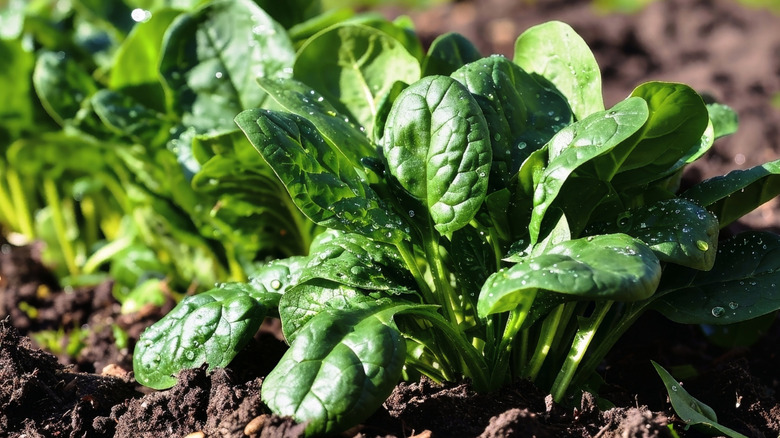
It's hard to keep any plant that bolts cool enough throughout the whole summer, so you at least want it to have a productive spring. As with lettuce, this is part of the reason you want to start spinach nice and early. Spinach seeds are bigger than many of the others listed here and need to be sown a little deeper — about half an inch down. For leafy plants, you want to ensure the soil stays weed-free, as they don't compete very well for space and nutrients. Give each seed a little space to avoid having to remove seedlings in the same cell (a process called thinning).
Keep the soil moist, but don't worry too much about supplying extra heat, as spinach will germinate in cool conditions. You can plant spinach outdoors as soon as the soil is workable, but if you want an early harvest, it's better to grow it under cover until the warmth of spring arrives. Once the hot weather comes, give your spinach as much shade as possible on the sunniest days to enjoy a longer-lasting crop.
Jalapeños
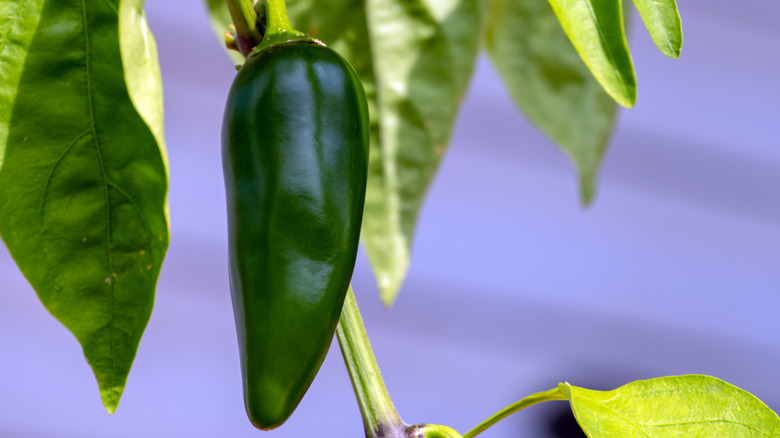
Jalapeños are a type of pepper, but chilies typically need even more light and warmth than sweet peppers. You can even start them in mid-winter, and January is a great time to begin. You should aim to have an established plant that's already been repotted into a larger container by the time the last frost passes. If you plant seeds in February or later, it's not a big issue; it just means your harvest will come later in the season. Of all the seedlings mentioned in this article, jalapeños require the most warmth.
If you place jalapeño seedlings on a windowsill in a seed tray, you'll probably find that the cells closest to the window are the last to sprout due to the cold draft coming in from outside. If you notice this with your seed tray, it's a good idea to rotate the seedlings. Grow lights also help a lot, as the initial growth will be stronger and more compact when the plant doesn't have to struggle to receive enough light. Harden the seedlings off slowly, and plant them outside in the sunniest spot of your veggie patch, or in a greenhouse.
Peas
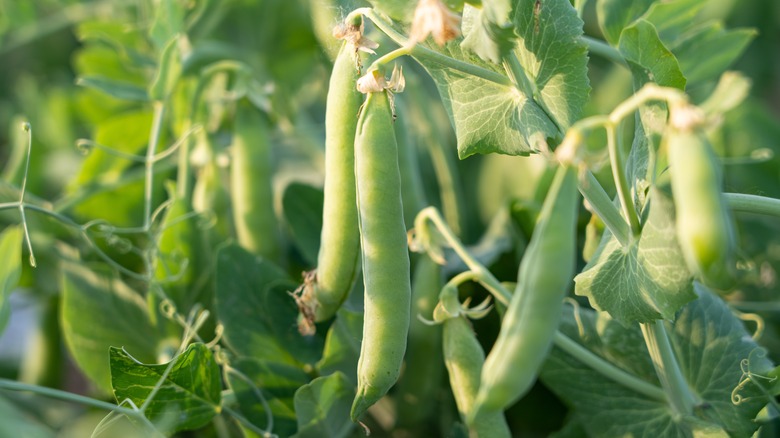
Peas are a fun crop to grow because they are climbers. Another cool-season crop, it's possible to receive a bountiful pea harvest before the harsh summer heat arrives. You can usually sow them directly into the soil, but I've found that starting peas indoors gives them a jump-start. Pea seeds are just the dried peas themselves, so they're typically much larger than most other seeds. Use well-draining soil, and plant them about 1-2 inches deep. Keep the soil moist, but don't worry about warmth, as they should germinate anywhere indoors.
I find it best to start peas in small pots rather than seed trays, as they grow quickly and need early support, like a small stake to climb on. Plus, their roots don't like being disturbed, so starting with pots minimizes transplant shock. Cardboard planter pots are useful here, as they can be planted directly in the ground. After hardening, you can also plant them outdoors. They'll need a trellis, netting, or anything else that they can climb on. Pea plants send out tendrils, which are like tentacles that wrap around a suitable structure, pulling themselves upwards. With consistent watering, you'll be able to pick plump pea pods whenever you need them from late spring and beyond.
Potatoes
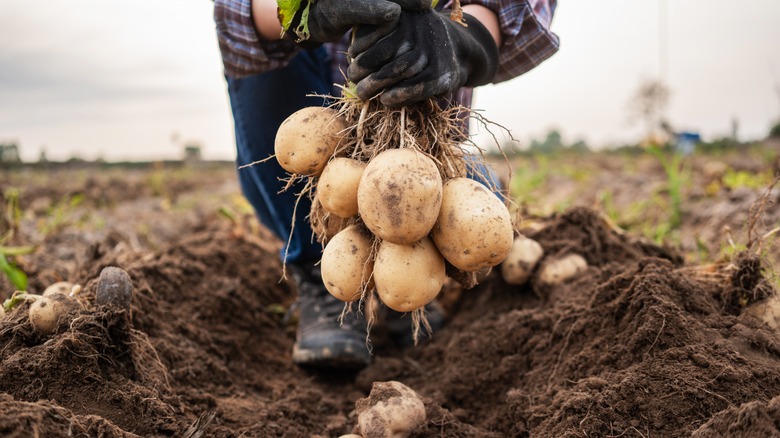
Potatoes are one of only two plants in this guide that can't be grown from seed. Instead, all you need is a sprouting (also known as chitting) potato, which you can save from your kitchen scraps. These sprouts emerge from the eyes that appear on a potato when you've left it in the cupboard a little too long. However, it's not advisable to grow from store-bought potatoes, as they aren't certified as disease-free. From my experience, using store-bought potatoes is fine as long as you plant them in an isolated pot or container that can be emptied and cleaned should an issue arise. However, to avoid any risk of soil-borne diseases, like blight, you can buy chitted potatoes from garden stores. Make sure to get the right type — potatoes labeled "first earlies" will give you the earliest crop.
Either way, you want to store your potatoes in a cool, dry spot until the sprouts grow to about an inch long, which usually takes 4-6 weeks. You can plant them once the soil is workable, meaning it's loose and not waterlogged. Plant your potatoes about 4 inches deep, leaving a foot of space between each one, and mound soil around the stem to protect the potato as it grows. When the leaves start to turn yellow, they are ready to be picked — if the soil is sufficiently loose, you should be able to pull them straight out of the ground.
Broccoli
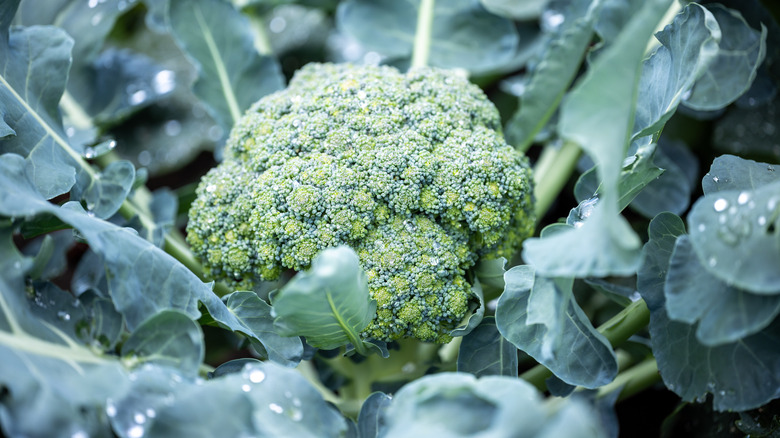
Broccoli is another cool-weather crop that needs harvesting before the summer hits its peak, and you want to start it about 6-8 weeks before the last frost. Sow the seeds just below the surface, and you should start to see seedlings in about a week. These seedlings can easily go leggy, so you want them to have a strong light source. Once they reach about 4 inches tall, they can be planted outside.
Pests are usually the most common issue people face when growing broccoli, so you'll want to use an organic insecticide or, even better, cover your plantings with netting. If you follow all the steps correctly, broccoli can typically be harvested in late spring, and you can then repeat the process in late summer for an autumn harvest. You don't want to ruin your hard work by letting the plants bolt, so if you get a hot spring day with temperatures above 75 degrees Fahrenheit, make sure to keep them shaded.
Cabbage
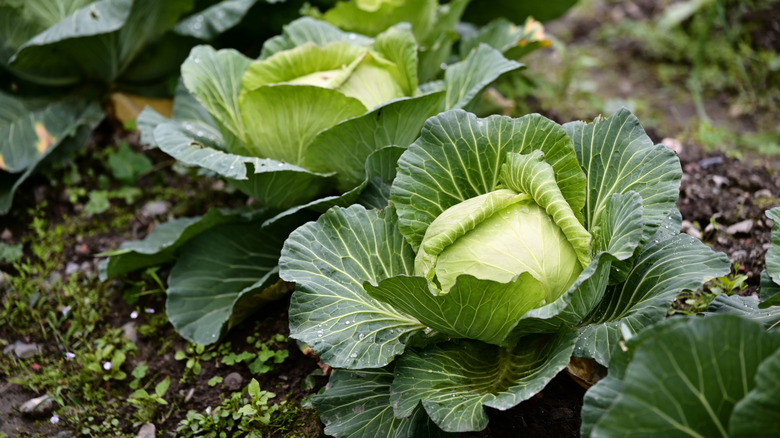
Growing cabbage is similar to growing broccoli, and it grows best during a cool season where the temperature averages within the 50–70-degrees-Fahrenheit range. A good time to sow your seeds is around 6-8 weeks before your last frost date. As with most of these plants, you can start even sooner, as long as you're happy to keep the plants indoors once you've moved them into a bigger pot. As usual, the seeds only need a light covering of consistently moist soil.
Cabbage seeds will grow fairly easily, and you can remove any excess seedlings to leave one per pot. You can try and transplant the excess seedlings, but you'll get mixed success. Plant them in an area that gets a good amount of sunlight but also some shade. Once established, water your plants regularly to encourage strong, even growth, and don't forget to check for pests — use an organic insecticide or cover your cabbages with netting if this becomes an issue.
Carrots
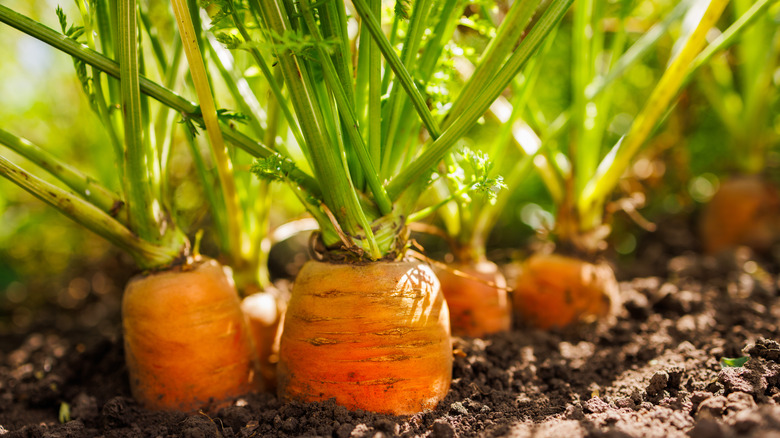
Carrots are a great option for anyone new to gardening, as they germinate easily, grow quickly, and are cold-resistant. The biggest issue with carrots is that they don't like being transplanted between pots. You typically want to sow them directly into the ground, which you can do with early varieties from February. I've had success growing carrots from seedling pots indoors; you just have to be extra careful while transplanting, and transfer all of the soil along with the seedling. As with peas, cardboard pots are a good solution to this issue.
All root vegetables need loose soil, but especially carrots. If it's too compacted or contains stones, you'll end up with badly misshapen roots. Whether indoors or outdoors, keep the soil consistently moist and cover with a cloche (or similar) if they are outside in the cold. You only need to leave about three inches between plants, and can pick them when the tops of the carrots pop up about an inch from the surface.
Raspberries
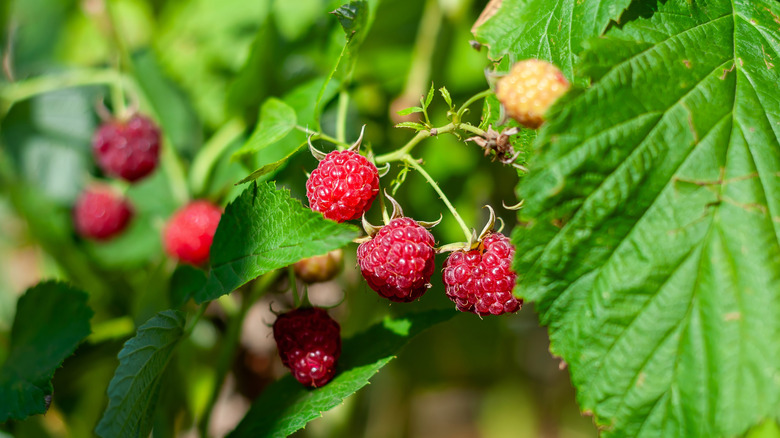
Raspberries need to go through intense stratification and are incredibly difficult to germinate, so it's not really possible to grow them from seed. Plus, commercially sold raspberries are genetic hybrids, so even if you did manage to grow them this way, the fruit wouldn't match the seed it came from. However, late winter is the perfect time to establish bare-root plants or canes — these are offshoots of raspberry plants that are sold by garden centers. Buying them can be a little unnerving at first, as they can look like dead sticks.
However, once the weather turns, these sticks will burst into life. When summer arrives, you'll get a steady stream of raspberries. Red raspberries usually have suckers, and the roots spread quickly. As a result, it's best to keep raspberry plants in a very large pot, otherwise, they can take over your garden. The benefit is that these new shoots can be cut off and replanted for a completely new plant.
Cauliflower
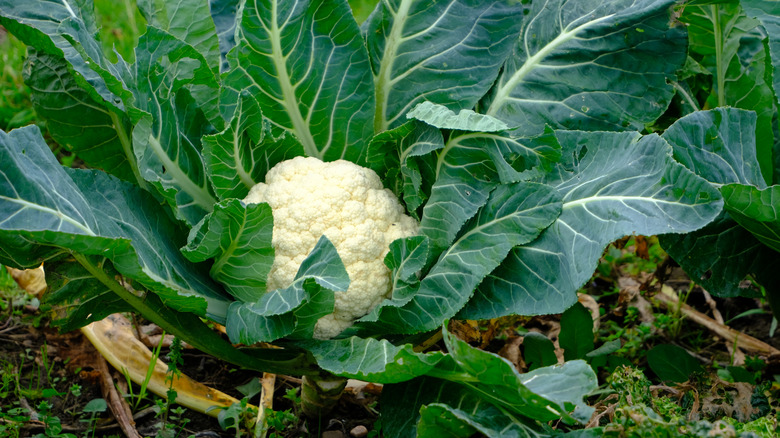
The final plant in this list is another cool-season crop. Starting nice and early gives you a great chance of getting those tight and healthy cauliflowers by late spring. Again, about 6-8 weeks before the last frost is a good starting point, and the seeds need planting about a quarter of an inch deep. Keep the seed tray in a bright spot indoors, but bear in mind that warm temperatures aren't usually required for germination.
Once the seedlings develop their first set of true leaves, it's best to transplant them quickly, so the roots have space to grow. After hardening, they'll need to be planted in well-draining soil with plenty of space between each plant. As with all cool-season crops, you want them to receive plenty of sunlight, but they should also have enough shade to shelter them during the hottest time of the day. You'll be able to harvest them around late spring or early summer and enjoy the hard work you started in late winter.