

Whole Milk Vs Heavy Cream: What's The Nutritional Difference?
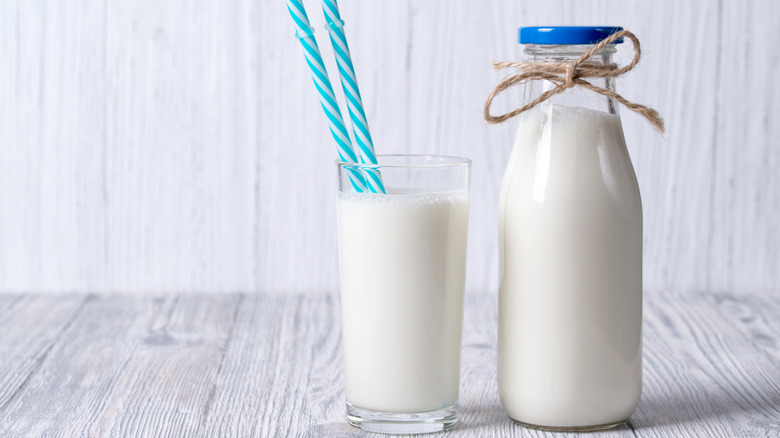
When choosing between whole milk and heavy cream to add to your coffee or into your weeknight cooking recipe, it's good to know how the two dairy products differ nutritionally. Perhaps most notably, heavy cream has a significantly higher fat content. To make heavy cream, butterfat is removed from dairy milk before it can be homogenized. While whole milk contains around 3.25% fat, heavy whipping cream can contain anywhere between 36 to 40% fat. This significant difference equates to about 8 grams of fat and 150 calories in a cup of whole milk versus just shy of 86 grams of fat and 809 calories in a cup of heavy cream.
Heavy cream is high in calcium and contains healthy vitamins and minerals including vitamins A and D, like whole milk. However, while (hopefully obviously) you wouldn't want to drink heavy cream straight because of its steep caloric and fat content, heavy cream's high fat makes it an excellent choice in several cooking and baking applications. If you'd like the benefits of drinking milk including bone health, protein content (about 8 grams per cup), and immune support, it's best to choose whole milk or low fat versions of the dairy drink. Since there's less water and more fat in heavy cream, it's best used in cooking, baking, or adding minimally to beverages like black coffee for a super rich and creamy taste — or of course, in confections that hold their shape like whipped cream from scratch.
Heavy cream adds full-fat flavor and texture in cooking
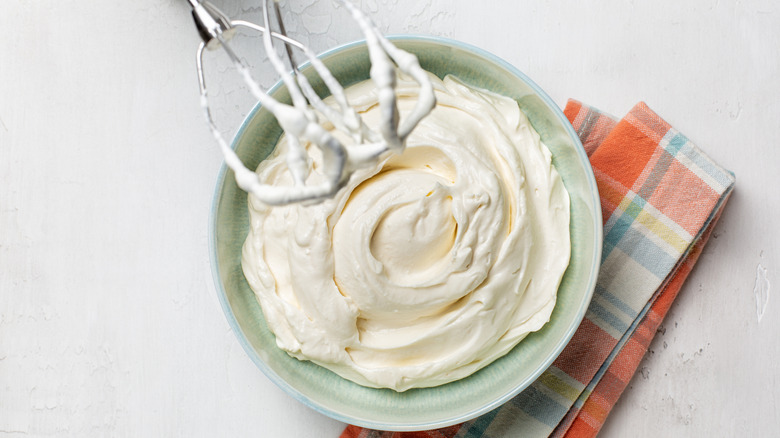
If you've got heavy cream in your fridge and don't know where to start, take advantage of the high fat content and add it to your recipes for full texture and flavor. On the savory side, you can use the dairy product to make your favorite rich pasta sauce (think alfredo sauce or carbonara). Or add a splash of heavy cream to scrambled eggs to give them extra fluffy and velvety texture. Your favorite mashed potato recipe? Whip out the heavy cream to mash up something truly decadent and creamy. For baking, using heavy cream vs whole milk in crème brûlée results in a firmer texture and richer flavor. Adding a tablespoon of heavy cream to a batch of homemade buttercream frosting gives it a silky flavor boost and mouthfeel.
If you'd like to cut back on the saturated fat (or fat in general), you can use whole milk in many of the same cooking and baking applications, but the results won't be as creamy. For example, adding whole milk to a soup milk makes it thinner than adding thicker, fattier heavy cream. If you want a dairy product with less fat for cooking, though, you don't have to go all the way down to whole milk's 3.25% fat content. You also could look to whipping cream, which contains about 30%, or half and half, which has about 10.5 to 12% fat.