

Why Colder Temperatures Make Spinach Sweeter Instead Of Bitter
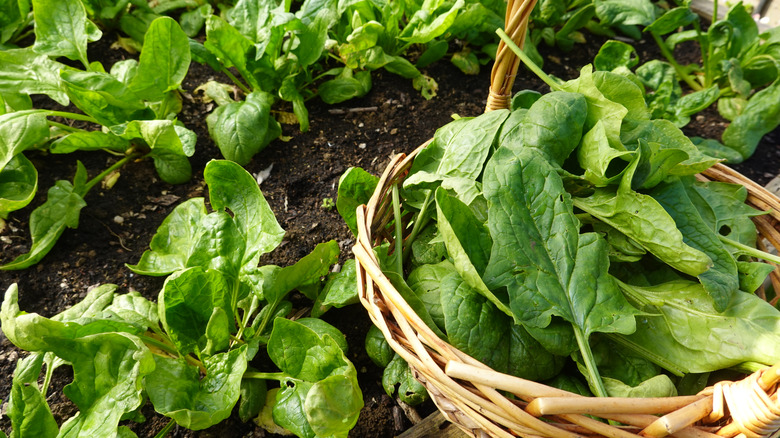
If you're new to gardening and you've found that your spinach comes out on the bitter side, you might need to adjust your expectations depending on the season. In general, colder temperatures make spinach sweeter, while greens grown in warmer months come out more bitter. That's why it's best to take advantage of the colder months by growing lots of spinach and other cold-weather-loving greens in the cold winter temps. Though it might seem counterintuitive, since there's nothing like a fresh spinach salad with strawberries and balsamic in the heart of spring or summer, spinach is actually a crop that thrives in the cold. The reason why? Survival. The plant actually transforms starch into sugar and accumulates the sugars in its cells as a way to lower their freezing point, making them more resistant to the season's harsh cold.
What's scientifically a way to survive freezes also happens to make spinach deliciously sweet. Those higher concentrations of sugar due to the cold are also one of the reasons why produce grown in high altitude climates often tastes sweeter, since cool temperatures lead to greater sugar development. While you certainly can grow spinach and other cold-weather greens like kale and mustard greens in the fall, spring, or summer months, they probably won't taste as sweet. So, if you prefer sweet greens to those with a bitter taste, go ahead and grow and harvest them in the winter.
Tips for the sweetest spinach harvest and recipes
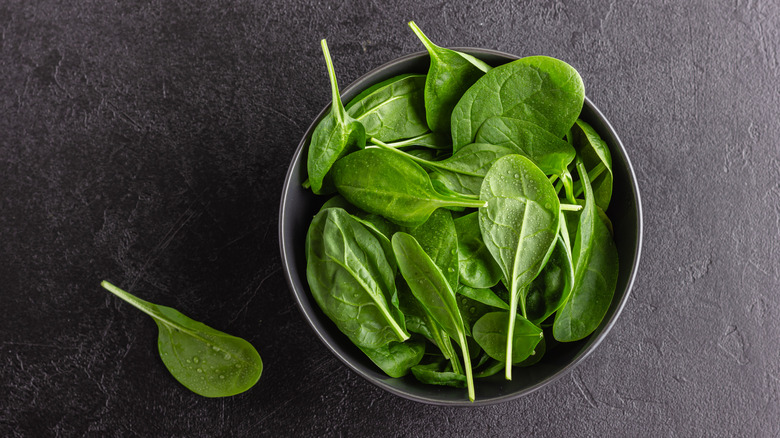
While spinach thrives in the cold and is one of the fruits and veggies that are great for beginner gardeners, there are some considerations to ensure a successful winter harvest. Particularly, it's important to recognize that the plant needs to be acclimatized. This means letting the crop get used to the cold so it can withstand the chill and start to accumulate those sugars. You can also protect the crops with a hoop house, cold frame, or row covers when there's a high chance of frost and snow. If you start growing the vegetable indoors (take, for instance, planters in your kitchen window), it helps to gradually expose spinach to the cold by taking steps like leaving the window open for a week or so before transferring the plants outside.
For the best results and sweet winter spinach, it also helps to plant the crop in the fall or up to eight weeks before the first freeze. This will help the plant adjust to cooler temps. Then, your first harvest will be ready within a couple of months, and you can have it throughout the season to use the pleasantly sweet greens in a variety of spinach recipes, including hearty and warm dishes like spinach artichoke dip and saag paneer. Or blend up a green juice to add brightness and a sweet touch during the winter months.