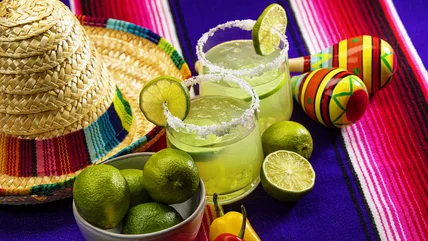
Each drink highlights a unique aspect of tequila and shows the endless potential Mexico's signature spirit has, not just during the holiday, but year-round.
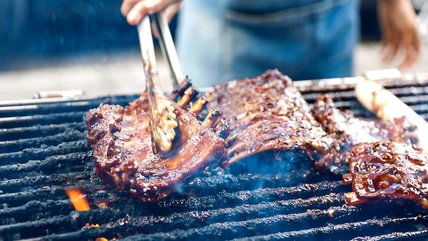
Beef and pork are two very different meats. And when it comes to smoking them, factors like rubs and wood chips matter. Luckily, an expert shares some tips.
You might not have heard of it, but Chinese baijiu is one of the most widespread drinks in the world. Here's what you need to know about the four main types.
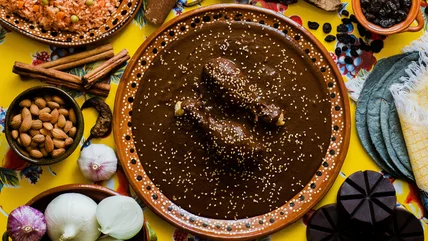
When it's time to celebrate Cinco de Mayo, tequila is the standard drink of choice, and mole is a beloved dish. We asked an expert for tips for pairing the two.
One of the benefits of cooking with shredded beef is that you usually have a lot left over. But how long can that beef sit in the fridge before it goes bad?
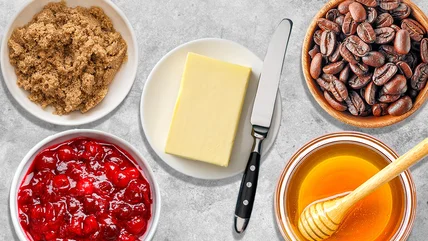
There's a world of delicious sweet ingredients that mix brilliantly with butter to elevate dishes from roast meats and sandwiches, to bakes and breakfasts.
Cooking with beer elevates the taste of beef, but with so many options, it's hard to figure out which to choose. We spoke to a chef to get you the answer.
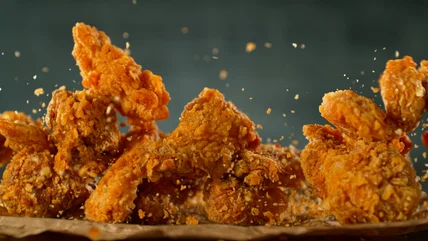
Everyone has their own way of making fried chicken, but there's one clever trick that a lot of chefs swear by - and it involves shaking the meat in a paper bag.
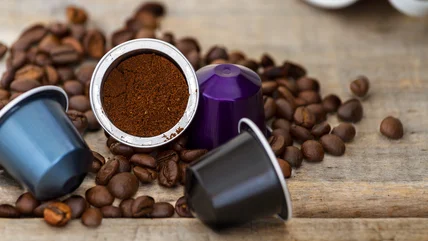
While espresso powder can enrich chocolate and baked goods, getting your hands on the it isn't always easy. However, Nespresso capsules can solve that problem.
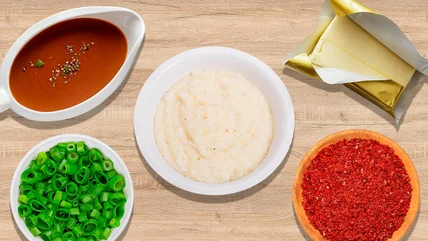
Grits are a popular breakfast side dish. But, don't settle for making them with just water. Instead, try some of these flavorful upgrades for tastier grits.
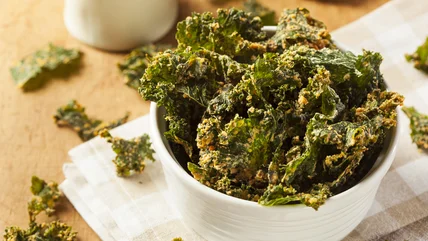
There's a way to make kale into delicious crunchy chips that can even convince the haters to eat their greens, and it's one of the best uses for your air fryer.
It shouldn't come as a shock that coffee works wonderfully in an alcoholic beverage, but some discretion is required when it comes to cold brew cocktails.
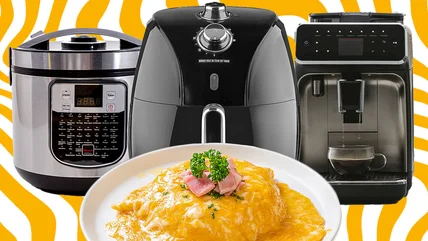
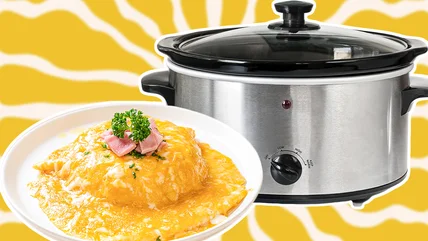
Scrambled eggs may be quick to make in a pan, but they're easier to make in a slow cooker. In fact, practically any egg dish can benefit from this handy tool.
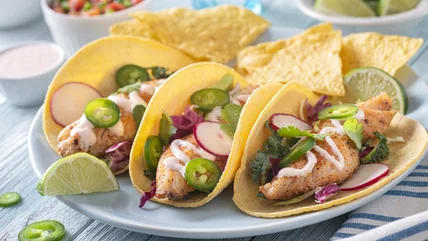
Wondering what type of drink to pair with your seafood-based Mexican feast? We've got the answer from the manager of cocktail strategy at Total Wine & More.
Amid the chili crunch fiasco, Fly By Jing, a brand known for Sichuan chili crisp products, has emerged as a hero and voice amongst AA and NHPI small businesses.